
Search
Showing results for "mental health aboriginal"
Anxiety is a leading mental health concern in childhood. Whilst a range of therapeutic approaches effectively reduce anxiety in young children, several barriers impact their implementation into practice. Digital interventions could help overcome some of these challenges; however, whether these can effectively target anxiety for children with and without Neurodevelopmental Conditions is unknown.
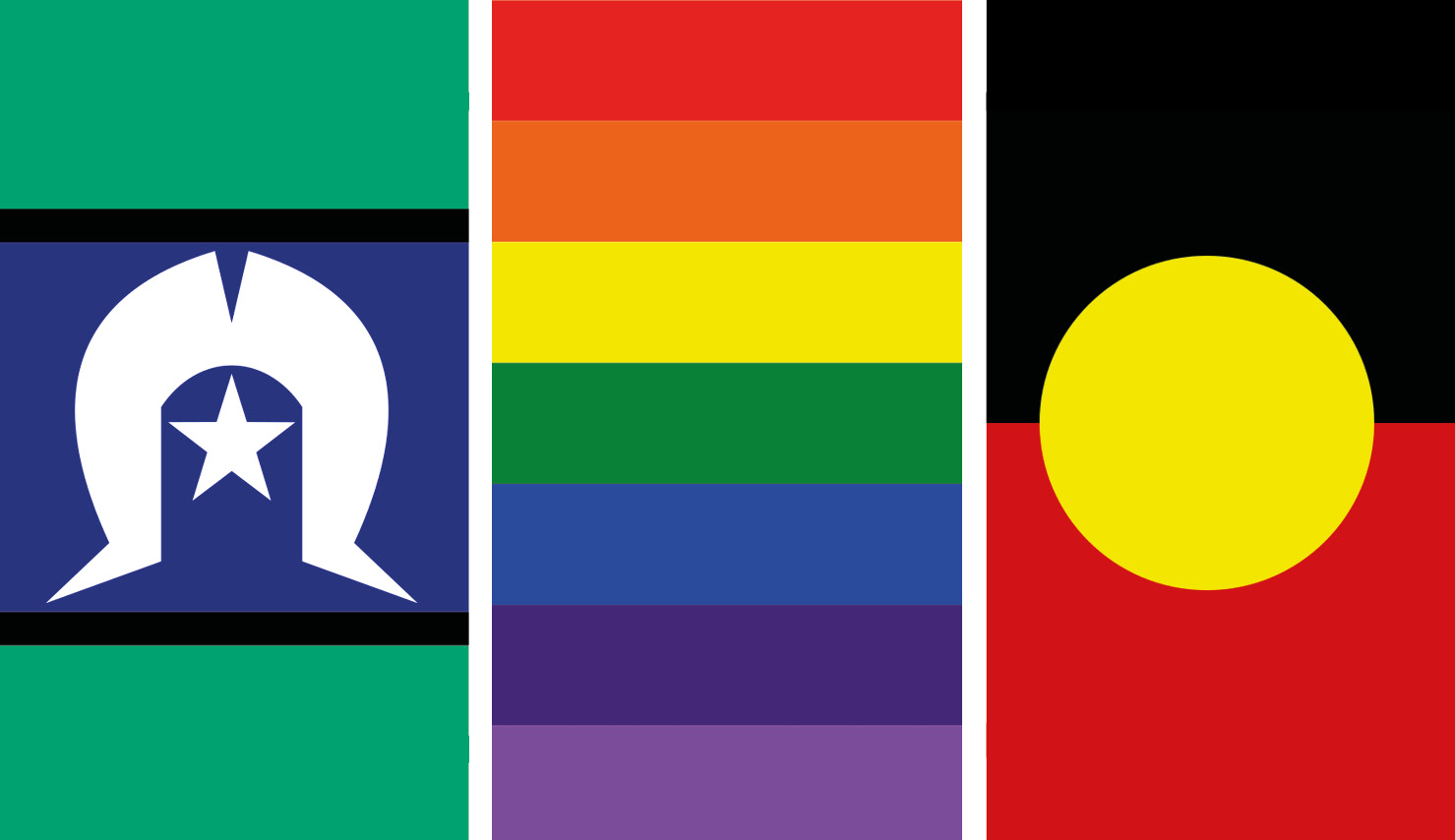
Are you a young person (14-25 years old) who is Aboriginal and/or Torres Strait Islander and LGBTIQ?
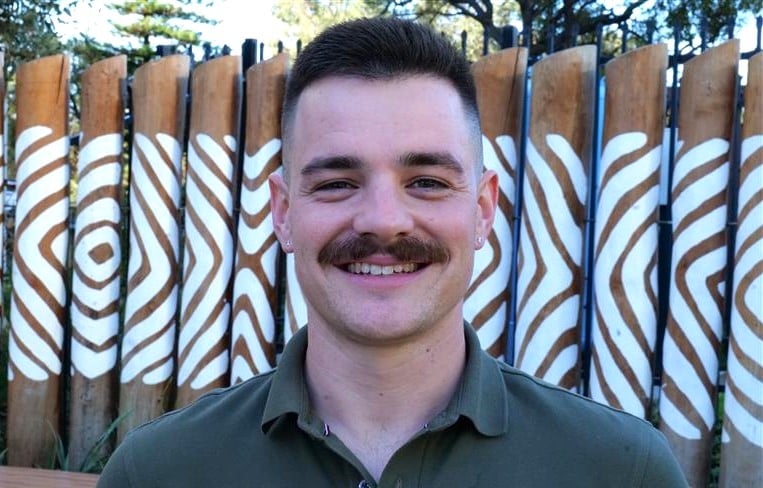
Postdoctoral Researcher
Use of patient-reported outcome measures in clinical settings facilitate the delivery of better health care to improve patient health outcomes.
Stigma and self-stigma reduce self-esteem and increase hopelessness and suicidality. While psychotic disorders are widely recognized as the most stigmatizing of all mental health disorders, there is a dearth of research investigating how stigma and self-stigma are experienced by young people at ultra-high risk (UHR) for psychosis.
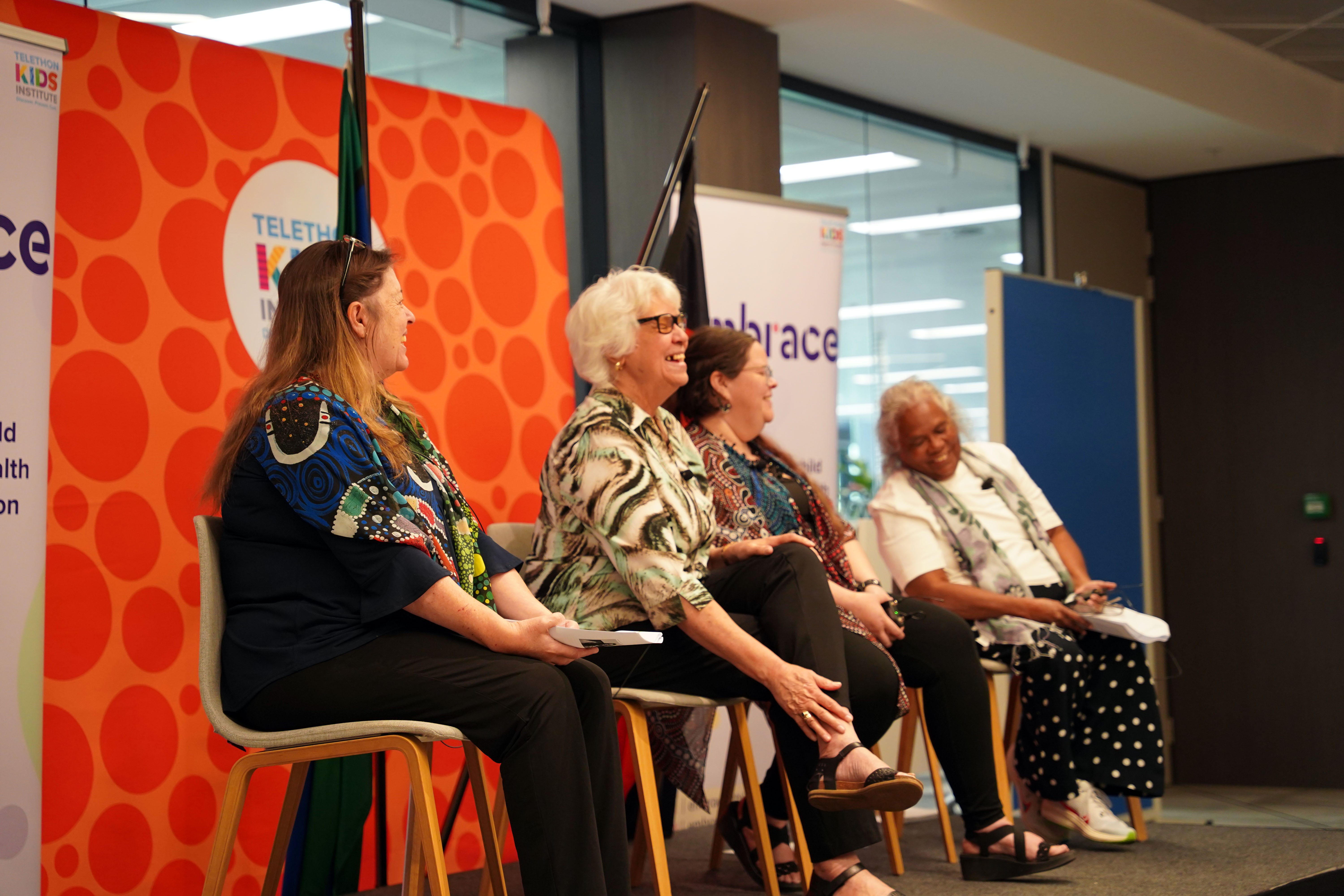
Presenters for the Finding our Voice webinar held at The Kids Research Institute Australia on Tuesday 21 May.
A significant proportion of trans and gender diverse (TGD) young people report membership of the gaming community and resultant benefits to wellbeing. To date their experiences and needs regarding a key feature of games, the avatar, are largely unexplored, despite increasing interest in the therapeutic role of avatars in the general population. The aim of this study was to better understand the role of the avatar in gaming, its impact on TGD young people's mental health, and their unique needs regarding avatar design.
This research aims to improve the mental health of LGBTQIA+ individuals through enhanced inclusive practice training for trainee health professionals.
SPARX is a form of computerized cognitive behavioural therapy in serious game format funded via the Ministry of Health to be freely available in New Zealand. At registration users identify themselves as male, female, transgender or intersex. We aimed to establish whether adolescent transgender users of SPARX, compared to adolescent male and female users, were more likely to have high mental health needs at baseline and were more likely to complete SPARX. We also sought to determine changes in transgender adolescents' depressive symptoms after using SPARX.
This project aims to inform harm prevention and minimisation strategies by investigating outcomes and points for early intervention in young people with alcohol-related harm. Researchers will also compare outcomes between Aboriginal and non-Aboriginal youth.