
Search
Showing results for "aboriginal respiratory"
Using linked data, we describe changes in respiratory virus testing among children born in Western Australia in 1996-2012
The respiratory outcomes for adult survivors of preterm birth in the postsurfactant era are wide-ranging with prognostic factors, especially those encountered after the neonatal period, poorly understood.
The aim of this review is to highlight the risk factors that may contribute to increased susceptibility to viral respiratory infections among preterm infants
Non-invasive techniques for measuring lung mechanics in infants are needed for a better understanding of lung growth and function...

The Kids Research Institute Australia researcher, Niamh Troy, has been named a joint winner of the Exxon Mobile Student Scientist of the Year award at the Premier’s Science Awards.
We hope that through earlier diagnosis and treatment of muscle weakness during sleep, we can prevent future lung failure in children with neuromuscular disorders.
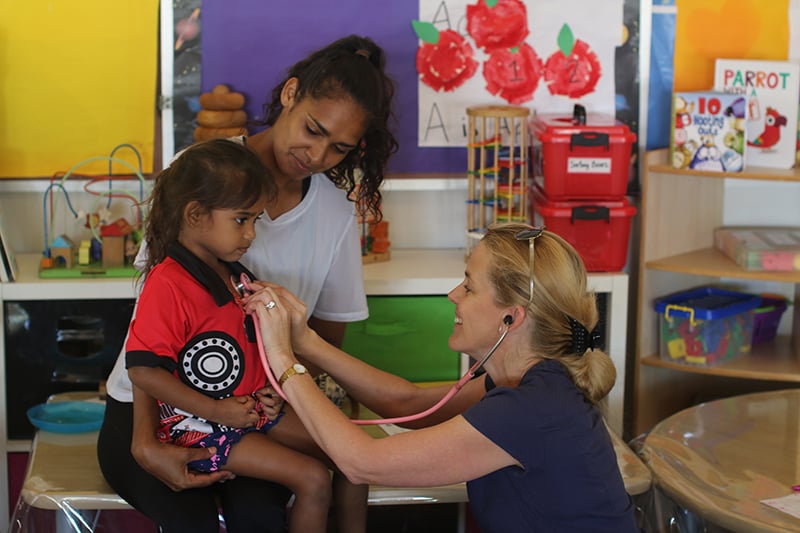
A culturally secure health campaign designed to alert Aboriginal families, community health workers and clinicians to the dangers of a prolonged wet cough has been so successful that it could offer a blueprint for how to manage other chronic diseases affecting Aboriginal communities throughout Austr
This paper describes a mathematical model used to predict when an epidemic of respiratory syncytial virus (RSV) will occur so that preventive measures, such...
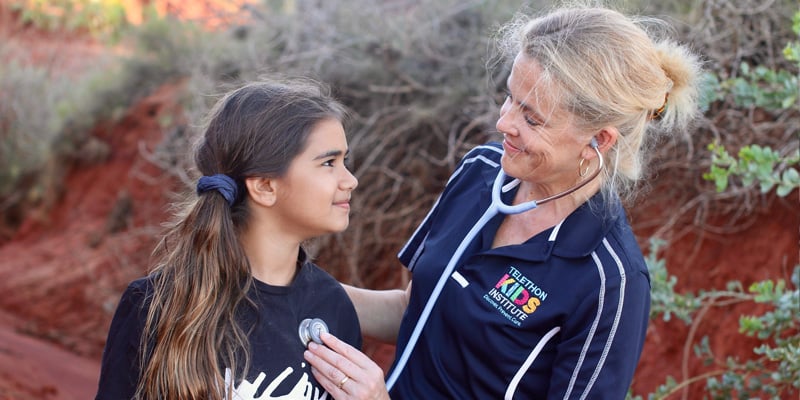
Almost one in five children across four remote Kimberley communities has some form of chronic lung disease, according to a new study co-designed and conducted in partnership with Aboriginal communities.
Your help could be crucial to our respiratory research