
Search
Showing results for "preterm birth lungs"
The upper airway may play a role in the respiratory symptoms experienced by some very preterm children and should be considered by clinicians
The aim of this study was to validate a model for optimal birth weight derived from neonatal records, and to test the assumption that preterm births may be...
Nasal epithelial cells from young adults with a history of very preterm birth show delayed closure following scratch-wounding. Repair correlated with lung function, suggesting epithelial barrier integrity may play a role in preterm-associated lung disease.
Preterm birth (PTB) and stillbirth remain two of the most important causes of death, morbidity, and disability in childhood. Despite efforts to reduce PTB and stillbirth worldwide, rates of these adverse outcomes remain persistently elevated, independent of income setting. There is an urgent need for more effective interventions to reduce associated neonatal and early childhood morbidity and mortality.
It is essential to embed patient and public perspectives into every stage of the research journey, including setting the future research agenda. The substantial gaps in our understanding of prematurity-associated lung disease presented a timely opportunity to determine the community's research priorities.
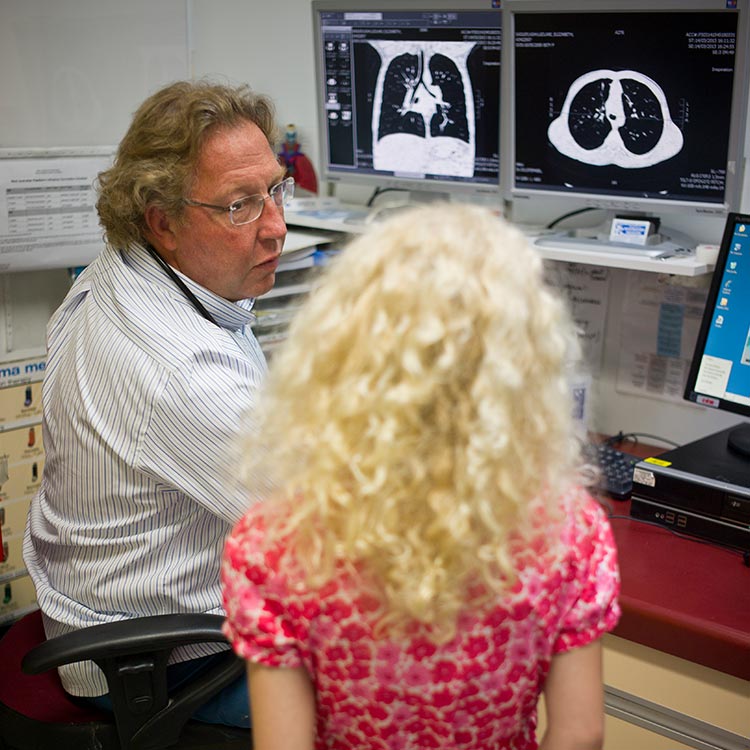
Early intervention is being touted as the key to preventing lung damage in children with cystic fibrosis.
Social, racial inequalities, preterm births, Western Australia, 1984 to 2006
People born preterm (<37 weeks’ gestation) have lower peak oxygen consumption (peak VO2), a well-established indicator of long-term health outcomes, compared to term-born peers. However, responses to exercise can vary with exercise mode, which has implications for prognostic assessments.
Preterm breast milk contains significantly higher concentrations of some immune proteins than term breast milk
Maternal milk feeding may have unique long-term neurodevelopmental benefits in very preterm infants. We examine the extent to which maternal milk feeding after very preterm birth is associated with cognitive, academic, and behavioral outcomes at school age.