
Search
Showing results for "early lung health"
The aim of this study was to explore the relationship between emotional health and wellbeing and support needs of perinatal women during the COVID-19 pandemic, and to understand their experiences and need for support. This is a potentially vulnerable group and a critical developmental phase for women and infants.
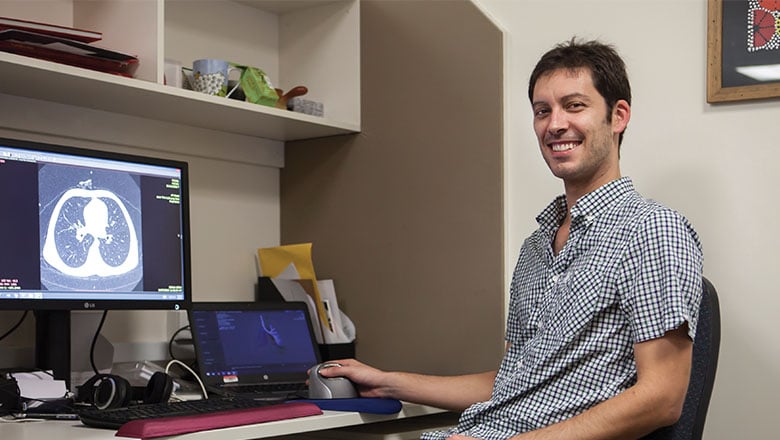
PRAGMA-CF, a new way of measuring early lung disease in young kids with cystic fibrosis is changing the way we detect and treat CF.
Addressing the recognized challenges and inequalities in providing high quality healthcare for rare diseases such as children's interstitial lung disease (chILD) requires collaboration across institutional, geographical, discipline, and system boundaries. The Children's Interstitial Lung Disease Respiratory Network of Australia and New Zealand (chILDRANZ) is an example of a clinical network that brings together multidisciplinary health professionals for collaboration, peer learning, and advocacy with the goal of improving the diagnosis and management of this group of rare and ultra-rare conditions.
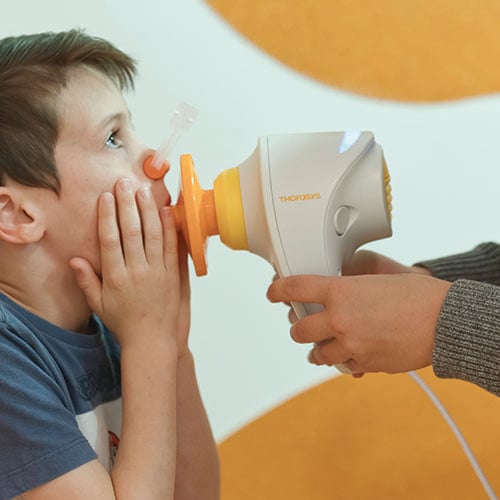
A new study is helping to identify treatment options to improve the lung function of premature babies, after it was determined survivors of preterm birth were at risk of declining lung health.
Culturally safe healthcare approaches are important to improve outcomes of Indigenous people. Non-Indigenous clinicians are often ill-prepared to provide such healthcare. The NHMRC Centre for Research Excellence (CRE) especially for First Nations Children has been studying for several years how to improve clinical care for Indigenous children with respiratory disease in hospital, clinic, urban, rural and remote settings.
Treatment options for viral lung infections are currently limited. We aimed to explore the safety and efficacy of inhaled ethanol in an influenza-infection mouse model.
Managing bronchiectasis exacerbations is a priority for patients, parents, and caregivers of children with bronchiectasis. However, evidence-based strategies among the pediatric population remain limited.
Lung damage in children with CF occurs much earlier than previously thought, and proving this is related to the decline that occurs later will create new paradigms for prevention and treatment.
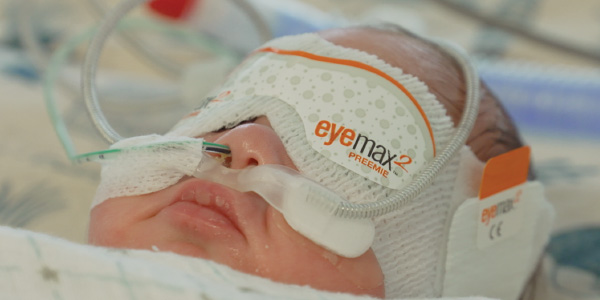
A simple set of eye masks and ear plugs – an inexpensive solution explored in a successful pilot study by The Kids Research Institute Australia, together with the Child and Adolescent Health Service – could hold the key to better outcomes for our tiniest bubs. Now, a nationwide clinical trial is testing the idea
We aimed to review original research which described factors impacting the health of primary care-givers of children with Autism or Intellectual Disability