
Search
Showing results for "mental health aboriginal"
The Moombaki Research team developed a pilot Cultural Integrity Audit (CIA) that was co-designed with Aboriginal elders and educators as a tool for school leaders to measure the extent of culturally safe and responsive education at three test sites in Perth (Boorloo), Western Australia. This article analyses the political and social contexts and experiences of implementing the CIA as a tool – including the commitment, attitudes and values of school leaders.
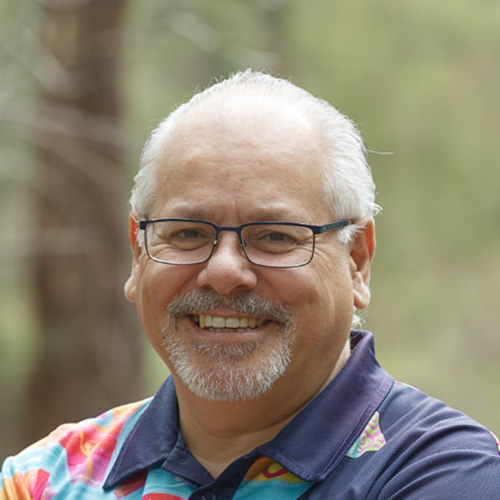
Director of First Nations Strategy and Leadership; Head, First Nations Health and Equity Research
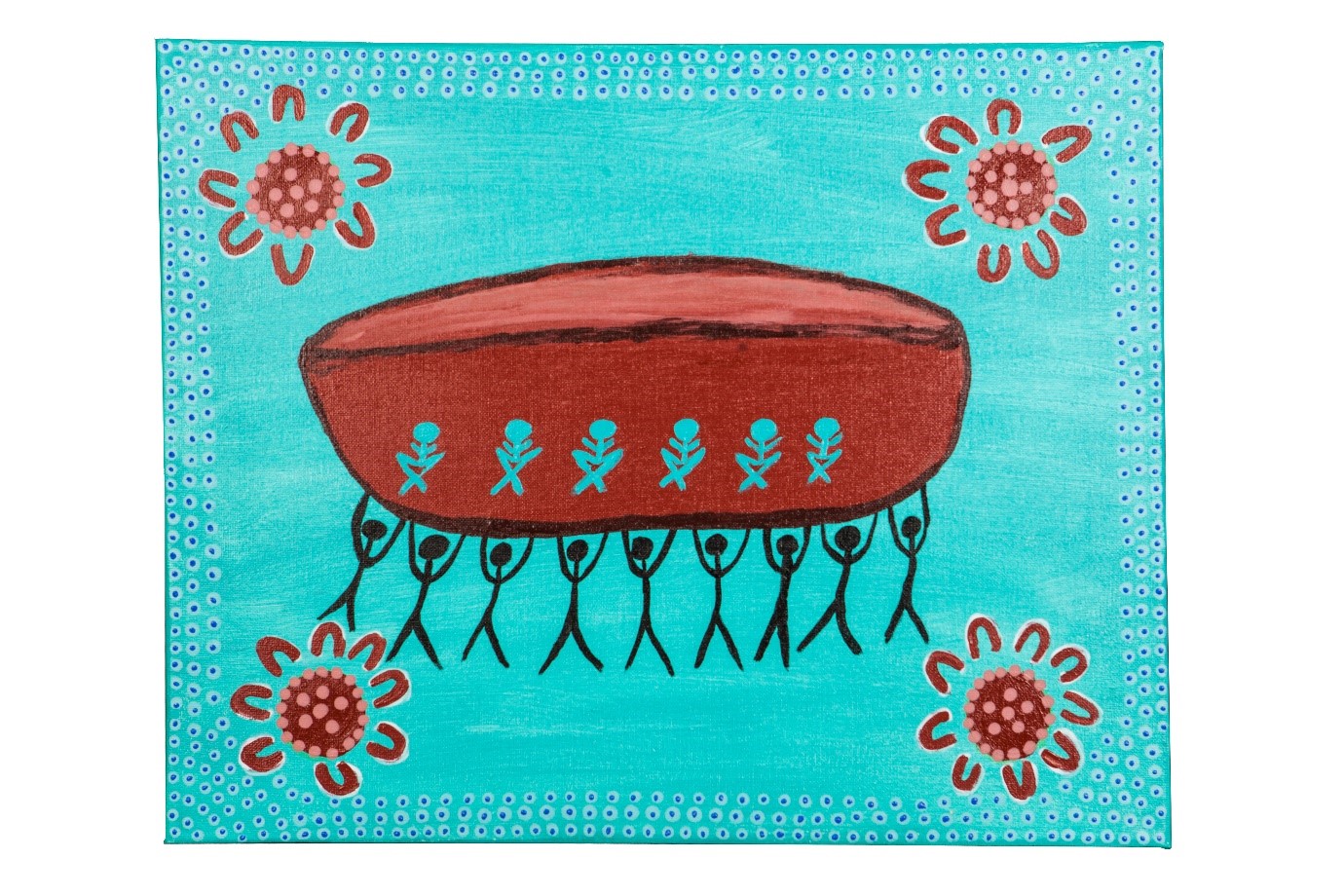
Brings the Aboriginal community(s) of Perth together with service providers & policy makers to improve outcomes for Aboriginal kids and their families.
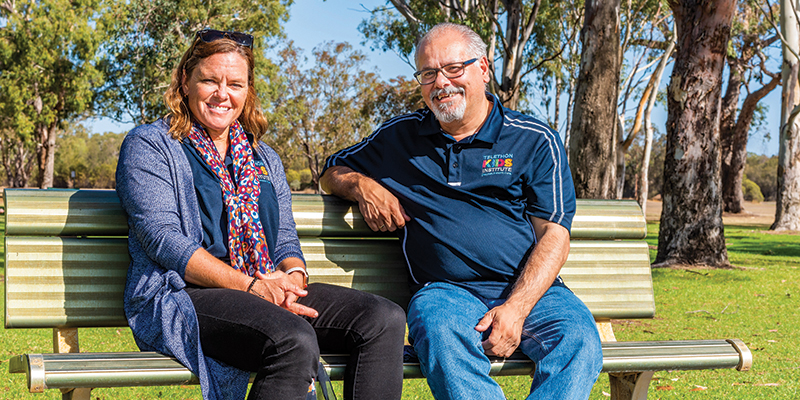
In 2005, The Kids Research Institute Australia won a National Health & Medical Research Council Indigenous Capacity Building Grant.
Early intervention within First Episode Psychosis (FEP) recovery efforts support functional recovery in several ways, including increasing levels of (1) physical activity (2) life skills, and (3) social connectivity. Sport has been proposed as an ideal platform to target these three goals simultaneously.
Yael Penelope Helen Holly Perry Strauss Morgan Moss BPsych (Hons) MPsych (Clin) PhD BA, MPH, PhD BA (Hons), Doctor of Psychology BEd Head, Youth
In Australia, the health and education sectors provide universal early childhood services for the same population of children. Therefore, there is a strong imperative to view service use and outcomes through a cross-sectoral lens to better understand and address the service needs of young children and their families.
This paper presents the study protocol for a pragmatic randomised controlled trial to evaluate the impact of a school based program developed to prevent teenage
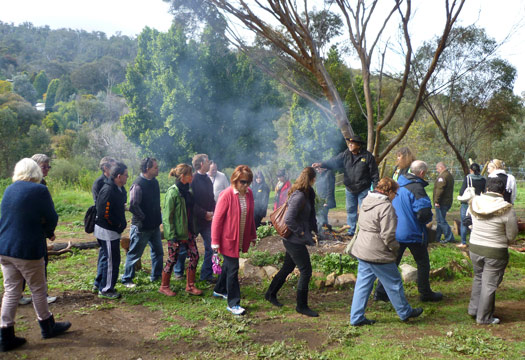
Dr Michael Wright remembers the 'aha' moment while working with distressed Nyoongar families to identify what was limiting engagement with services.
General Practitioners (GPs) play a crucial role in the identification and support of young people at risk of suicidal behaviour and self-harm; however, no studies have explored GPs’ perspectives, approaches, challenges, and resource needs when working with this cohort in an Australian setting.