
Search
Showing results for "autism"
Gail Prue Shelley Alvares Hart Gorman PhD BSc (Hons) MSc PhD BSc (Hons) PhD Principal Research Fellow Honorary Research Fellow Honorary Research
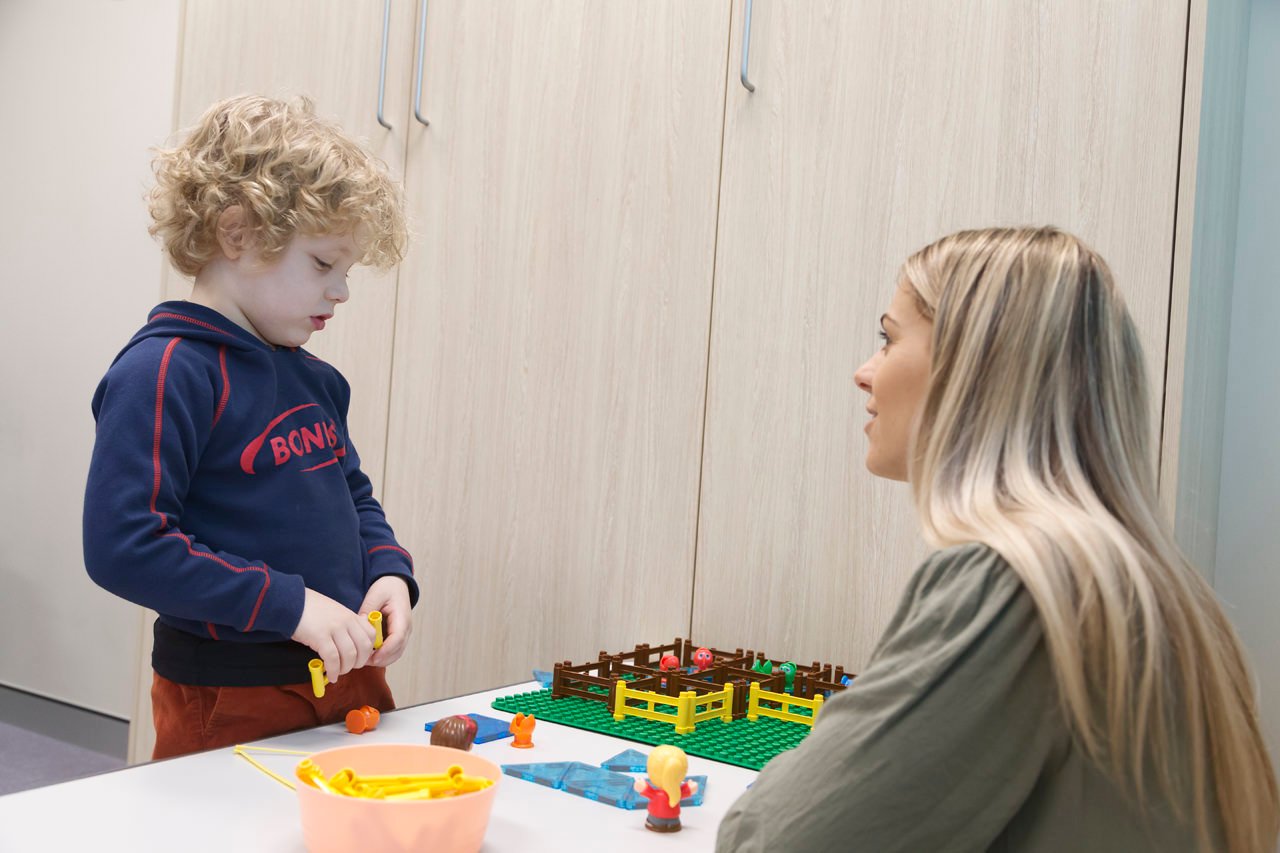
Find out more about Paediatric Autism Communication Therapy training for allied health and autism professionals at CliniKids.

In this blog, Senior Speech Pathologist Sally Grauaug and Speech Pathology Clinical Lead Aria May discuss the model SCERTS and how it can support your child's communication level.
A balanced approach toward sun exposure and protection is needed by young people. Excessive sun exposure increases their risk for skin cancers such as melanoma, whereas some exposure is necessary for vitamin D and healthy bones. We have developed a new iOS smartphone app-Sun Safe-through a co-design process, which aims to support healthy and balanced decision-making by young teenagers (aged 12-13 years).
Previous research has established that adolescents with type 1 diabetes (T1D) experience more anxiety symptoms than their healthy peers and are also more likely to develop an anxiety disorder. Research in cognitive psychology has found that selective attention favouring the processing of threatening information causally contributes to elevated levels of anxiety; however, this process has not been investigated in the context of T1D.
This study assessed the contribution of physical factors including lumbar posture to scoliosis in non-ambulatory youth with DMD in Nepal.
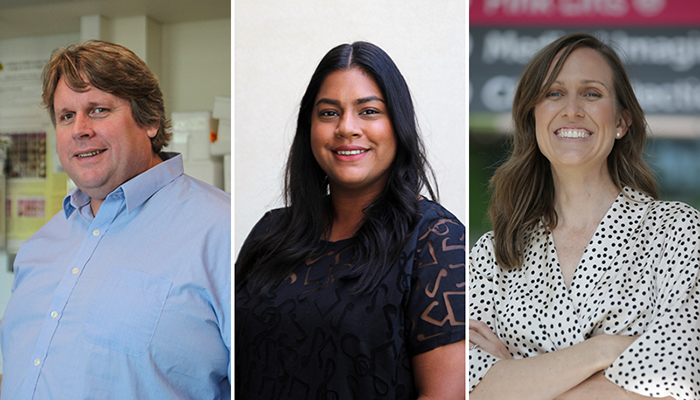
The Kids Research Institute Australia researchers have been awarded 12 of 16 grants under the latest round of funding from the WA Child Research Fund

Eight The Kids Research Institute Australia researchers are among those who have received grant funding from the Telethon-Perth Children’s Hospital Research Fund (TPCHRF).
Keely Leanne Bebbington Fried MClinPsych/PhD BSc DipEd MSpEd EdD McCusker Postdoctoral Research Fellow in Type 1 Diabetes Senior Research Fellow 08
Trans individuals face elevated health risks and socio-environmental challenges, influencing their engagement in health-protective behaviors (e.g. exercise and nutrition). Despite these challenges, there is a significant gap in understanding the specific eating and exercise experiences of Australian trans adults, including barriers to healthy behaviors and healthcare experiences. This study aims to address this gap by exploring these experiences, informing targeted interventions and healthcare practices to improve health outcomes.