
Search
Showing results for "mental health aboriginal"
The study highlights the need for support for parents and carers of young people who engage in self-harm
As well as specific symptom clusters, psychosis effects important non-symptom domains including social cognition and social-occupational functioning.
Depression and anxiety are often first experienced during childhood and adolescence, and interest in the prevention of these disorders is growing. The focus of this review was to assess the effectiveness of psychological prevention programs delivered in schools, and to provide an update to our previous review from five years ago (Werner-Seidler, Perry, Calear, Newby, & Christensen, 2017).
Yael Jacinta Penelope Keely Bep Amy Helen Claire Perry Freeman Strauss Bebbington Uink Finlay-Jones Milroy McIlroy BPsych (Hons) MPsych (Clin) PhD
Climate change is both an environmental crisis and a growing source of psychological distress for young people, calling for responses that nurture emotional resilience and collective engagement. The emerging response to climate distress has mainly focused on formal psychological and individual-level interventions.
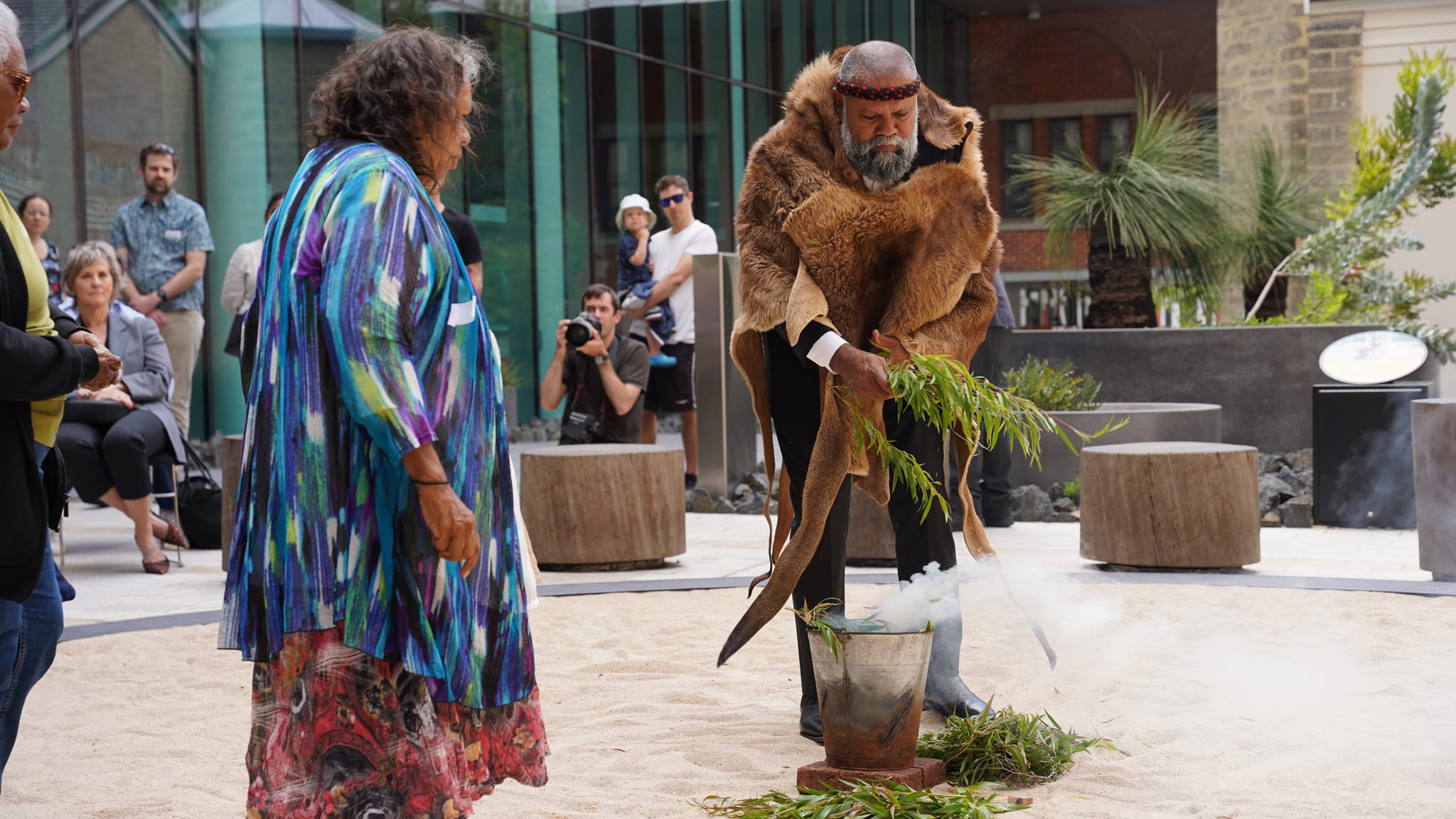
There is an urgent need for improved cultural safety for Aboriginal and Torres Strait Islander young people in mental healthcare, new research has revealed.
Gender- and sexuality-diverse (GSD) youths are at increased risk of depression and anxiety compared with their cisgender and heterosexual counterparts. Little is known about the risks for younger GSD adolescents (<15 years).
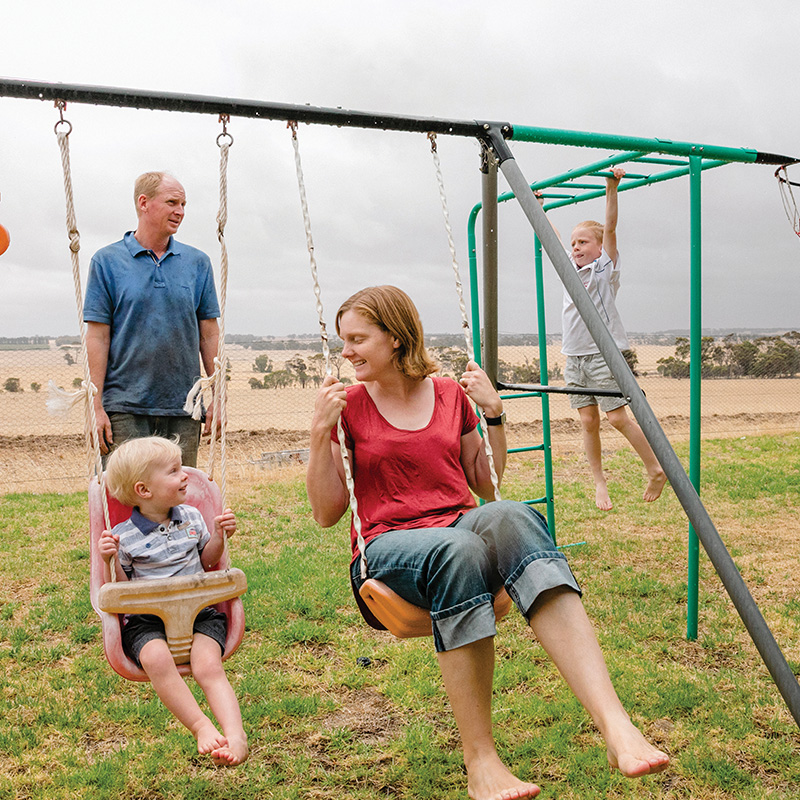
Communities in the Central Great Southern region have known for years that dental health is a major issue for the smallest residents of their towns.

Did you know that regular exercise can literally add years to the lives of children living with Type 1 Diabetes?
CHIP Study Update