
Search
Showing results for "autism"
This study assessed the contribution of physical factors including lumbar posture to scoliosis in non-ambulatory youth with DMD in Nepal.
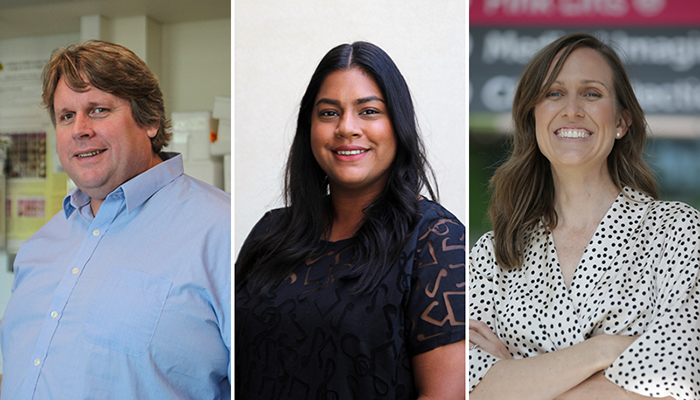
The Kids Research Institute Australia researchers have been awarded 12 of 16 grants under the latest round of funding from the WA Child Research Fund

Eight The Kids Research Institute Australia researchers are among those who have received grant funding from the Telethon-Perth Children’s Hospital Research Fund (TPCHRF).
Keely Leanne Bebbington Fried MClinPsych/PhD BSc DipEd MSpEd EdD McCusker Postdoctoral Research Fellow in Type 1 Diabetes Senior Research Fellow 08
Trans individuals face elevated health risks and socio-environmental challenges, influencing their engagement in health-protective behaviors (e.g. exercise and nutrition). Despite these challenges, there is a significant gap in understanding the specific eating and exercise experiences of Australian trans adults, including barriers to healthy behaviors and healthcare experiences. This study aims to address this gap by exploring these experiences, informing targeted interventions and healthcare practices to improve health outcomes.
Advanced hybrid closed-loop (AHCL) therapy improves glycemia. However, it is not known if there is an improvement in overall outcomes with AHCL for youth with type 1 diabetes (T1D) at high risk of diabetes-related complications. The study aimed to capture the experiences of youth with suboptimal glycemic control when commencing AHCL therapy in a clinical trial setting.
Psychological distress in the early postpartum period can have long-lasting deleterious effects on a mother's well-being and negatively affect her infant's development. Intervention approaches based in contemplative practices such as mindfulness and loving-kindness and compassion are intended to alleviate distress and cultivate well-being and can be delivered effectively as digital mental health interventions.
Prechtl's General Movement Assessment (GMA) at fidgety age (3-5 months) is a widely used tool for early detection of cerebral palsy. Further to GMA classification, detailed assessment of movement patterns at fidgety age is conducted with the Motor Optimality Score-Revised.
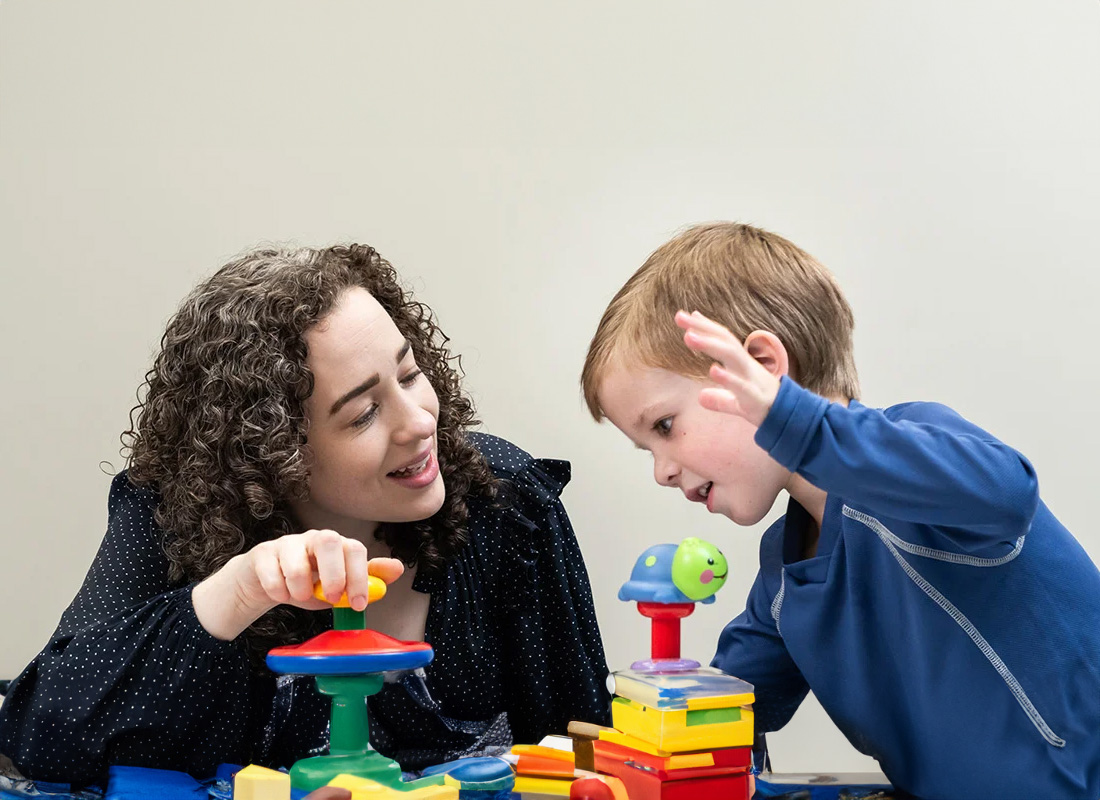
Sign up to the CliniKids Newsletter to receive the latest updates, stories, and invites to community events from CliniKids.
Type 1 Diabetes (T1D) is a 'family illness'; diagnoses and management can be perceived as invasive or traumatic. Caregivers bear the brunt of the diagnostic shock, influencing their child's experience. Children and adolescents may grapple with the psychological effects of past/ongoing medical trauma. Additionally, adolescents may struggle with their mental health as they navigate tensions between caregiver involvement and their developmental need for autonomy.