Skip to content

Search

Showing results for "preterm birth lungs"

Fresh Science to target painful ear infections

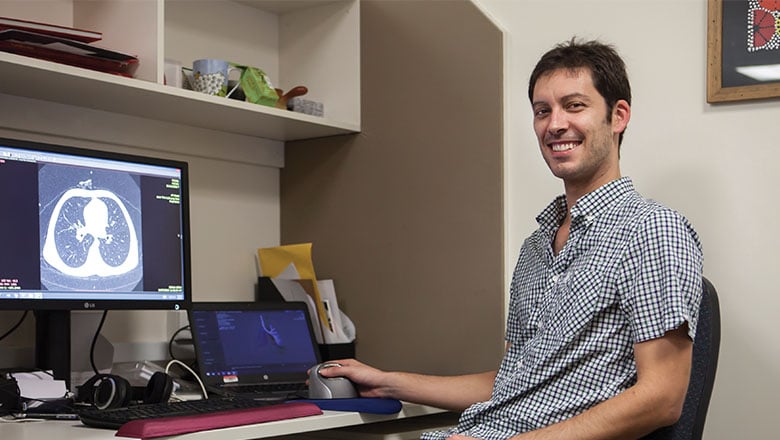
The Kids's Dr Ruth Thornton is one of 12 finalists in the annual national Fresh Science competition with her research into middle-ear infections.
The effects of electronic cigarette aerosol exposure on inflammation and lung function in mice

This study shows, for the first time, that exposure to e-cigarette aerosol during adolescence and early adulthood is not harmless to the lungs and can result in significant impairments in lung function.

Chronic carbon dioxide exposure: an unrecognised health risk of climate change?

Alexander Larcombe BScEnv (Hons) PhD Honorary Research Fellow Honorary Research Fellow Associate Professor Alexander Larcombe began work at The Kids

Great minds come together at Wal-yan Scientific Retreat

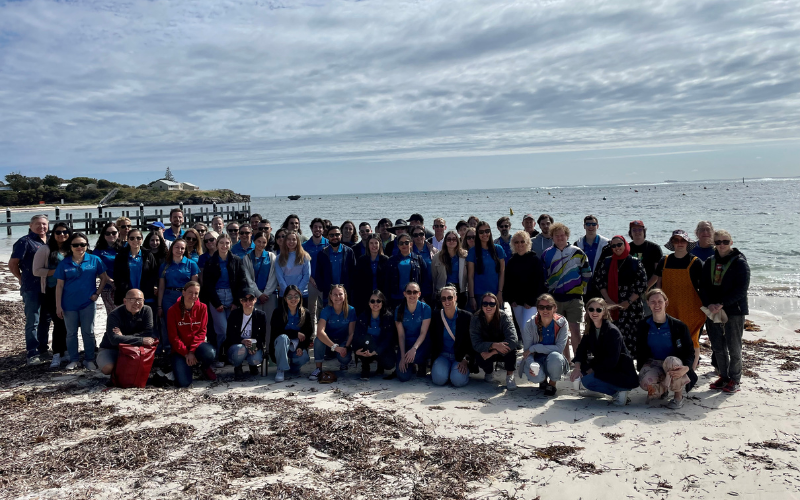
Wal-yan Respiratory Research Centre team members and special guests travelled to Wadjemup (Rottnest) on 27 and 28 October to spend an intensive two days together learning about, and providing input into, the broad range of research projects underway within the Centre.

Wal-yan Centre welcomes new PhD scholarship awardee

The Wal-yan Respiratory Research Centre this month welcomed new PhD scholarship awardee Yaqin Alziyadat, whose exciting research work will support the Centre’s vision to ensure all children have healthy lungs for life.
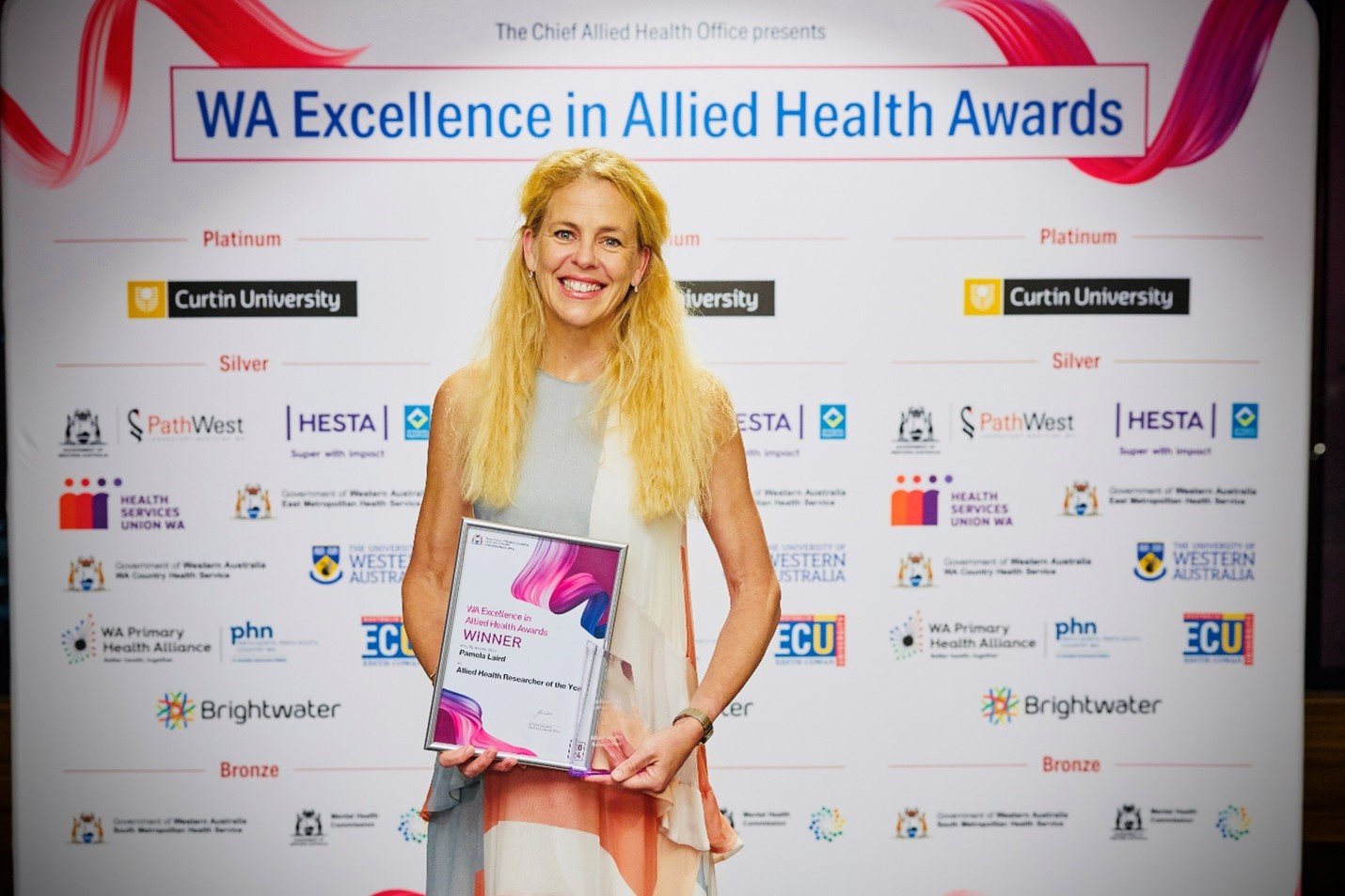
Allied Health award for respiratory researcher Dr Pamela Laird

Congratulations to respiratory health clinician-researcher Dr Pamela Laird, who has won Allied Health Researcher of the Year at the WA Excellence in Allied Health Awards.

Dual RNA isolation from blood: an optimized protocol for host and bacterial RNA purification for dual RNA-sequencing analysis in whole blood sepsis samples

Dual RNA-sequencing (dual RNA-seq) holds significant promise for deciphering bacterial virulence mechanisms during systemic infections. However, its application in sepsis research is hindered by technical challenges, including a low bacterial burden in blood and limited sample volumes and RNA yield from vulnerable populations, such as neonates.

Development of a pharmaceutical science systematic review process using a semi-automated machine learning tool: Intravenous drug compatibility in the neonatal intensive care setting

Our objective was to establish and test a machine learning-based screening process that would be applicable to systematic reviews in pharmaceutical sciences. We used the SPIDER (Sample, Phenomenon of Interest, Design, Evaluation, Research type) model, a broad search strategy, and a machine learning tool (Research Screener) to identify relevant references related to y-site compatibility of 95 intravenous drugs used in neonatal intensive care settings.

Epidemiology and Outcomes of Neonatal Sepsis: Experience from a Tertiary Australian NICU

Neonatal sepsis is associated with significant mortality and morbidity. Low-middle-income countries are disproportionately affected, but late-onset sepsis still occurs in up to 20% of infants <28 weeks in high-income countries. Understanding site-specific data is vital to guide management. 

Bifidobacteria support optimal infant vaccine responses

Accumulating evidence indicates that antibiotic exposure may lead to impaired vaccine responses, however the mechanisms underlying this association remain poorly understood. Here we prospectively followed 191 healthy, vaginally born, term infants from birth to 15 months, using a systems vaccinology approach to assess the effects of antibiotic exposure on immune responses to vaccination.