
Search
To determine whether the screening age for atrial fibrillation (AF) should be lowered for Indigenous Australians with the goal of reducing risk of stroke and other health burdens.
Mentalization (the ability to hold in mind and interpret one's own and others' mental states in order to make sense of behaviour) has been consistently linked with the development of secure parent-infant attachment as well as with adult mental health.
Meningitis remains the leading infectious cause of neurological disabilities globally, disproportionately affecting children younger than 5 years and populations in the African meningitis belt. Whereas previous global estimates focused on ten pathogen categories, this study presents the most comprehensive analysis to date, assessing the meningitis burden attributable to 17 causative pathogens based on the Global Burden of Diseases, Injuries, and Risk Factors Study (GBD) 2023 framework.
In Australia, two-thirds of emergency medical service attended out-of-hospital cardiac arrests are unwitnessed, and survival is <5% in this group. With the recent incorporation of pulselessness-detection technologies into consumer wearable devices such as smartwatches, the potential exists to convert unwitnessed arrests into device-witnessed cases.
As we finalised our analysis of the adoption of mandatory policies for childhood vaccines in four high-income jurisdictions for our publication, “Convergence on Coercion,” every country on earth was grappling with how to drive uptake of COVID-19 vaccines.
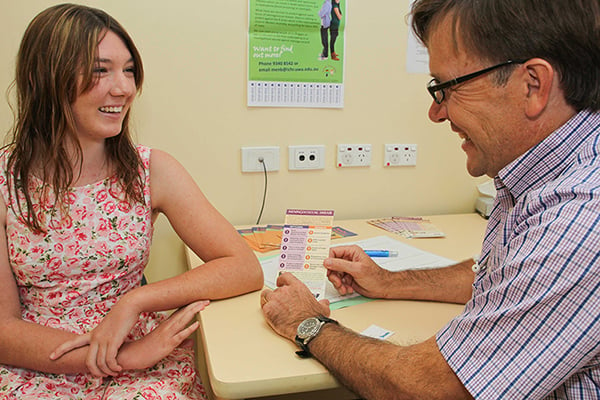
Meningococcal disease is caused by the bacteria Neisseria meningitidis, or 'meningococcus'. It is an uncommon but very serious disease that can result in death if not recognised and treated quickly.
Staphylococcus aureus bacteremia (SAB) is the most common cause of childhood sepsis contributing to pediatric intensive care unit admission. The cost of adult SAB hospitalization is well described globally, but limited costing information is available for children. To bridge this knowledge gap, we investigated the cost of hospitalization in children with SAB in Australia.
The prevalence of impetigo and pharyngitis - which are both superficial group A streptococcus (GAS) infections that precede acute rheumatic fever - is poorly defined. Guidelines recommend the early diagnosis of both infections to prevent ARF; however, screening to enable the concurrent detection of these infections in high-risk populations has rarely been performed.
Preterm birth is increasingly recognised as adversely influencing lifelong lung function. This Series paper on prematurity-associated lung disease reviews studies reporting longitudinal lung function measurements in individuals who were born preterm. Evidence suggests that preterm birth alters lung function trajectories from early life onwards, with implications for future respiratory morbidity. We propose that this population needs rigorous follow up that should include systematic monitoring of lung function across the lifespan, starting in childhood.
Extreme heat exposure is a major global public health threat that is affecting people across the life course, including the pregnancy period. Studies have linked extreme heat with adverse pregnancy and newborn health outcomes globally.