
Search
Showing results for "mental health aboriginal"

The Kids Research Institute Australia is pleased to share in $490,000 in State Government funding designed to provide vital support to WA’s innovation sector in the wake of COVID-19.
Delivering tangible and measurable improvements to the health and wellbeing of children is at the centre of a bold new blueprint for child health research in WA
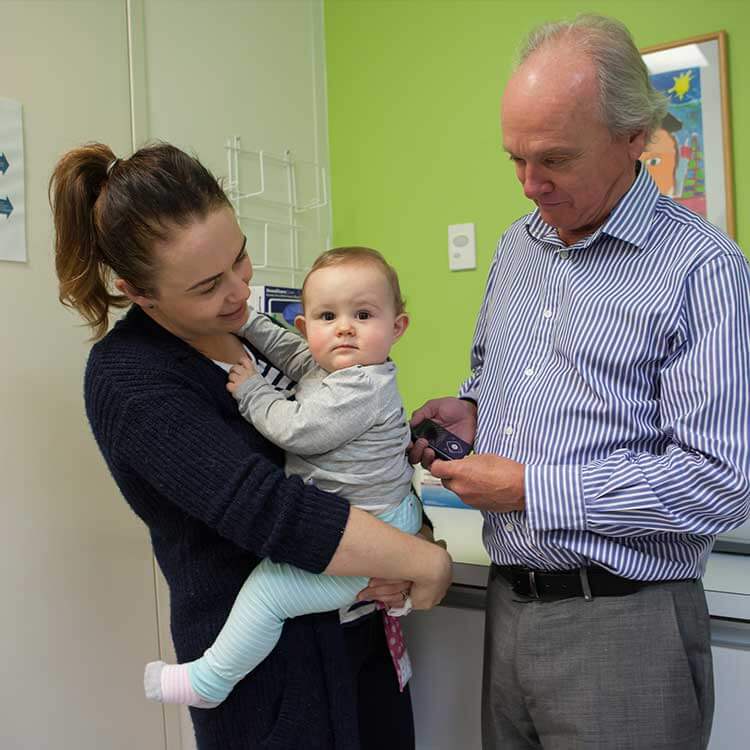
Researchers at The Kids Research Institute Australia have today been awarded more than $11 million in funding from the National Health and Medical Research Council.
New research from Perth's The Kids for Child Health Research shows that a Western diet is associated with an increased risk of liver disease in teenag
Researchers at Perth's The Kids for Child Health Research support calls for mandatory health warning labels on alcohol products.
The results of the Kwinana Children's Health Respiratory Study have today been sent to the nearly 600 participating children from almost 500 families
Hear how one bold idea became a world-leading institute for kids’ health.
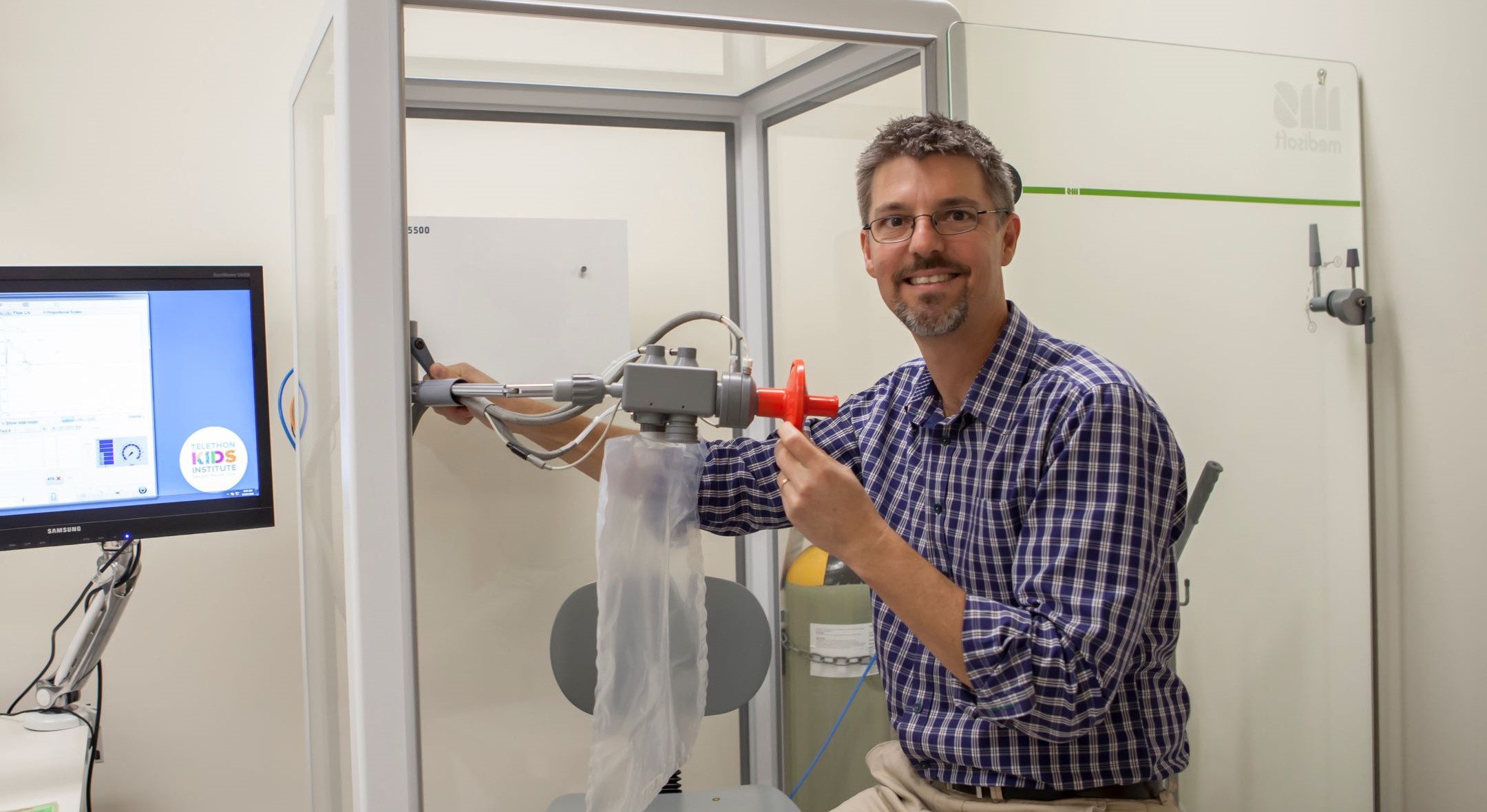
A global network of researchers and clinicians, co-led by The Kids’ Professor Graham Hall, has transformed international best practice in identifying low lung function and diagnosing and treating lung disease.
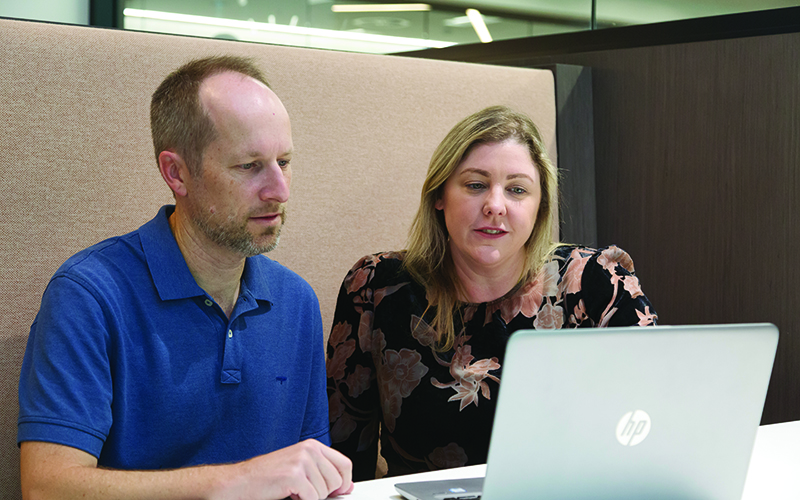
An interactive Child Development Atlas is giving policymakers, planners and services easy access to important data about the health and wellbeing of WA families.
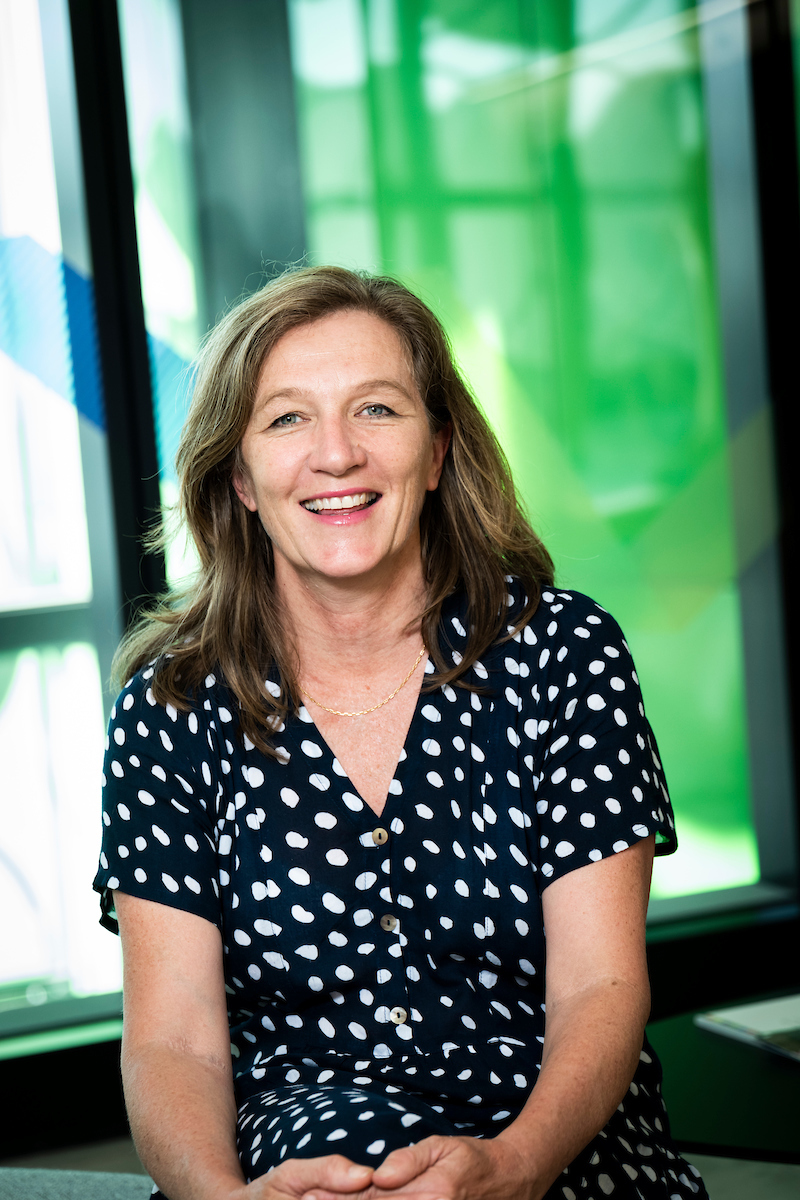
Check out the Centre's Professor Liz Davis featured in an article about gut health and type 1 diabetes risk in The Post.