
Search
Showing results for "preterm birth lungs"
Sepsis is one of the leading causes of neonatal mortality. There is heterogeneity in the outcomes measured and reported in studies of neonatal sepsis. To address this challenge, a core outcome set (COS) for research on neonatal sepsis was needed.
Recent studies have shown that PTX is compatible with a wide range of intravenous medicines used in NICU settings2–4; however, the compatibility of PTX with inline intravenous filters or syringe filters used in aseptic compounding facilities has not previously been reported.
Neonatal sepsis-induced cardiovascular dysfunction includes impaired myocardial function (which may be systolic and/or diastolic) and vasoregulatory failure (which may lead to vasodilation or vasoconstriction). The haemodynamic response in neonatal sepsis may therefore be hyperdynamic or hypodynamic, and the underlying pathophysiological mechanisms are heterogenous.
Sildenafil is used to treat pulmonary hypertension in neonatal intensive care unit (NICU) settings. As multiple intravenous (IV) medications are co-administered in NICU settings, we sought to investigate the physicochemical compatibility of sildenafil with a range of IV drugs.
Neonatal sepsis is a serious public health problem; however, there is substantial heterogeneity in the outcomes measured and reported in research evaluating the effectiveness of the treatments. Therefore, we aim to develop a Core Outcome Set (COS) for studies evaluating the effectiveness of treatments for neonatal sepsis.
The highest incidence of sepsis across all age groups occurs in neonates leading to substantial mortality and morbidity. Cardiovascular dysfunction frequently complicates neonatal sepsis including biventricular systolic and/or diastolic dysfunction, vasoregulatory failure, and pulmonary arterial hypertension.
To date there have been relatively few studies on genetic determinants of susceptibility to neonatal infection and many of these have methodological...
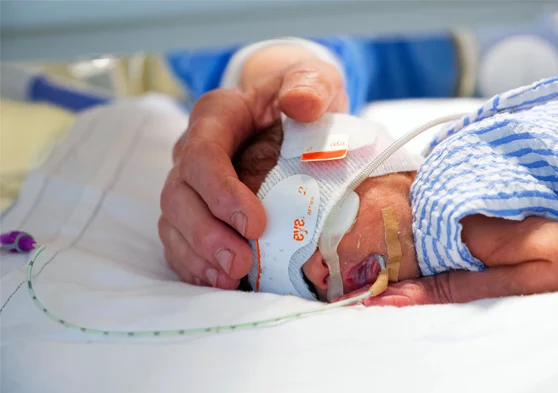
The CIRCA DIEM Trial Steering Committee provides independent oversight and strategic guidance for the study.
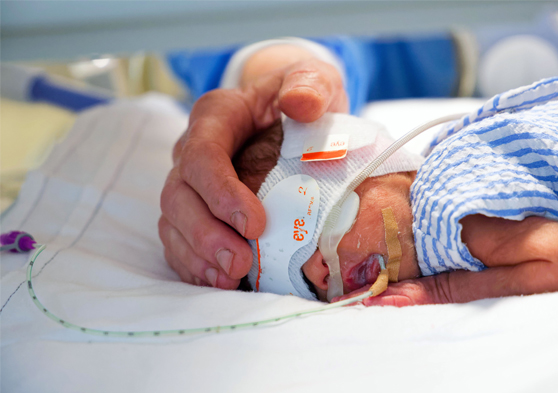
The CIRCA DIEM Study is a clinical research study being coordinated by the Chronobiology Team at Telethon Kids Institute, who are based in Perth, Western Australia and involving research teams from around the world.
Dual RNA-sequencing (dual RNA-seq) holds significant promise for deciphering bacterial virulence mechanisms during systemic infections. However, its application in sepsis research is hindered by technical challenges, including a low bacterial burden in blood and limited sample volumes and RNA yield from vulnerable populations, such as neonates.