
Search
Showing results for "preterm birth lungs"
The highest incidence of sepsis across all age groups occurs in neonates leading to substantial mortality and morbidity. Cardiovascular dysfunction frequently complicates neonatal sepsis including biventricular systolic and/or diastolic dysfunction, vasoregulatory failure, and pulmonary arterial hypertension.
To date there have been relatively few studies on genetic determinants of susceptibility to neonatal infection and many of these have methodological...
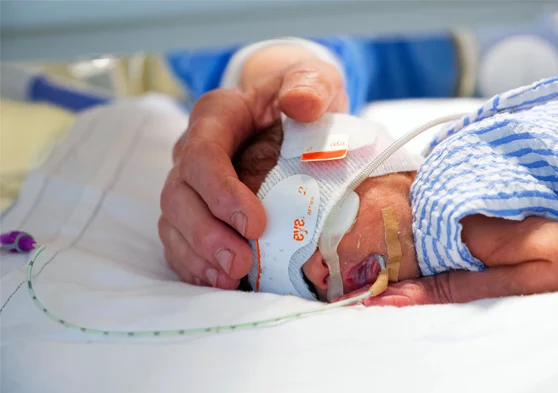
The CIRCA DIEM Trial Steering Committee provides independent oversight and strategic guidance for the study.
The aim of this study was to compare hospital admissions from infancy to adulthood, between children born with orofacial clefts (OFC) and those without OFC.
To investigate hypospadias' prevalence and trends, rate of surgical repairs and post-repair complications in an Australian population.
In our study, we aimed to examine early infant feeding and adiposity risk in a longitudinal cohort from birth to young adulthood using new as well as...
We examined the degree of parental and child mental health in a community sample of children diagnosed with Attention Deficit Hyperactive Disorder and the...
Wall teichoic acid may be important for protecting S. aureus against exposure to bile

Dissecting the regulation of bile-induced biofilm formation in Staphylococcus aureus. Aspiration of bile into the cystic fibrosis (CF) lung has

Head, BREATH Team