
Search
Showing results for "Childhood interstitial lung disease "
Globally, ARF and RHD cause more than a quarter of a million deaths and substantial disability each year.
This study investigated the influence of self-reported lifestyle factors on hospitalisation for IHD, stratified by blood pressure and/or lipid-lowering therapy.
RHD is an important cause of disability and death in low- and middle-income countries.
The World Health Organisation resolution for global action to tackle rheumatic heart disease (RHD) will have significant implications for Australia, which has some of the highest rates of the disease in the world.
We aimed to review RHD burden in Western Pacific Region outside Oceania to identify countries with high RHD burden
The prognosis of young Indigenous Australians diagnosed with severe RHD is bleak; interventions must focus on earlier detection and treatment
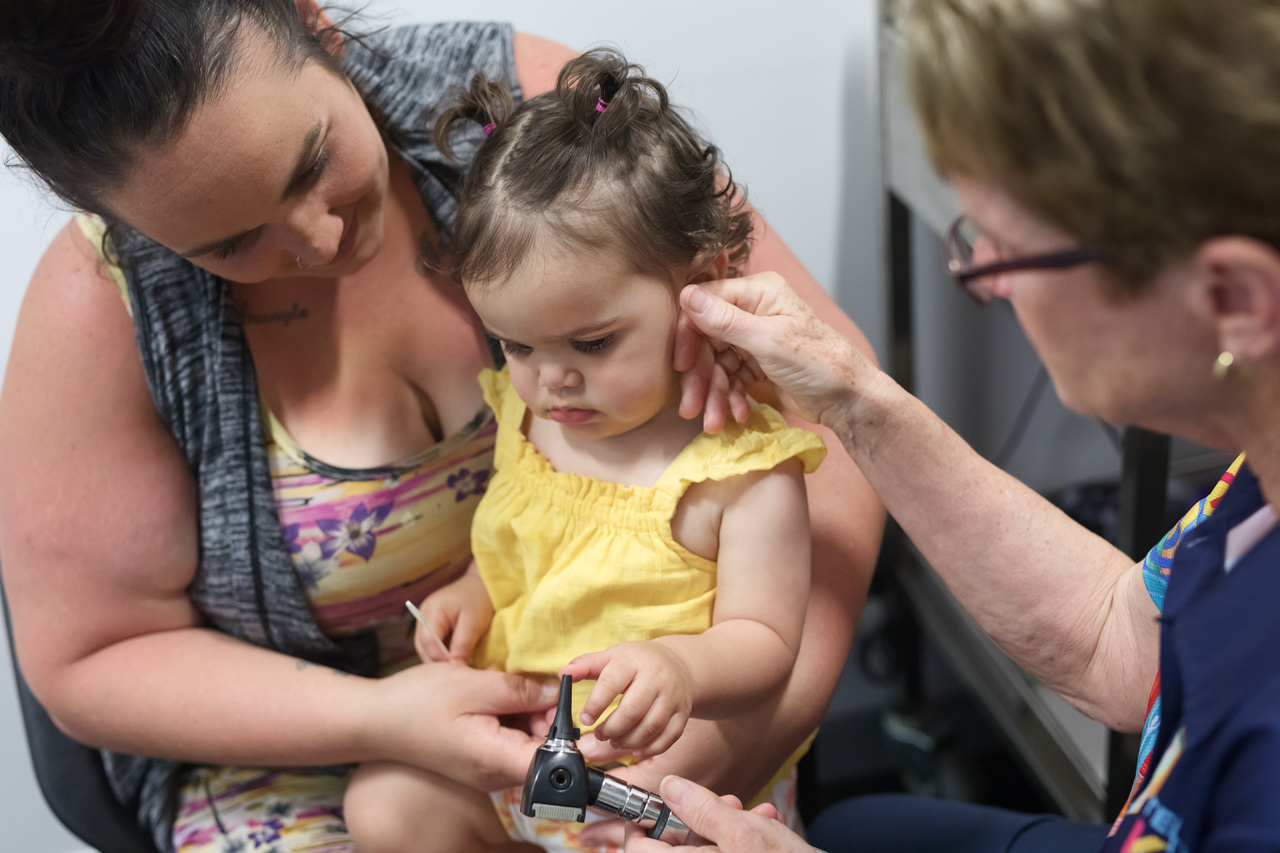
Researchers from The Kids Research Institute Australia have been awarded a $1.1 million NHMRC ‘Targeted Call for Hearing Health’ grant to conduct the first ever study following Aboriginal babies from birth through to five years to uncover the true prevalence of middle ear infections and hearing loss.
It is known that the bacterial gut microbiome is altered in inflammatory bowel disease (IBD), but far less is known about the role of eukaryotic microorganisms in IBD.
An effective disease surveillance system is critical for early detection and response to disease epidemics. This study aimed to assess the capacity to manage and utilize disease surveillance data and implement an intervention to improve data analysis and use at the district level in Tanzania.
The rates of RHD in Timor-Leste are among the highest in the world, and prevalence is higher among girls than boys