
Childhood cancers are rare, but incidence has risen modestly in countries with robust registration, partly reflecting improved diagnosis. In high-inc…
New malaria vaccine development builds on groundbreaking recommendations and roll-out of two approved pre-erythrocytic vaccines (PEVs); RTS,S/AS01 an…
We present the case of a prepubescent man of African descent who developed a spitzoid melanocytic proliferation showing evidence of a novel promoter…
To investigate whether maternal coffee and/or tea consumption during the last 6 months of pregnancy was associated with risk of childhood ALL.
antisense oligonucleotide therapies for inherited childhood lung diseases
The objective was to examine the incidence of childhood type 1 diabetes in Western Australia from 1985-2010.
Risk of childhood acute lymphoblastic leukaemia following parental occupational exposure to pesticides.
The association between parental smoking and risk of childhood acute lymphoblastic leukemia (ALL) was investigated
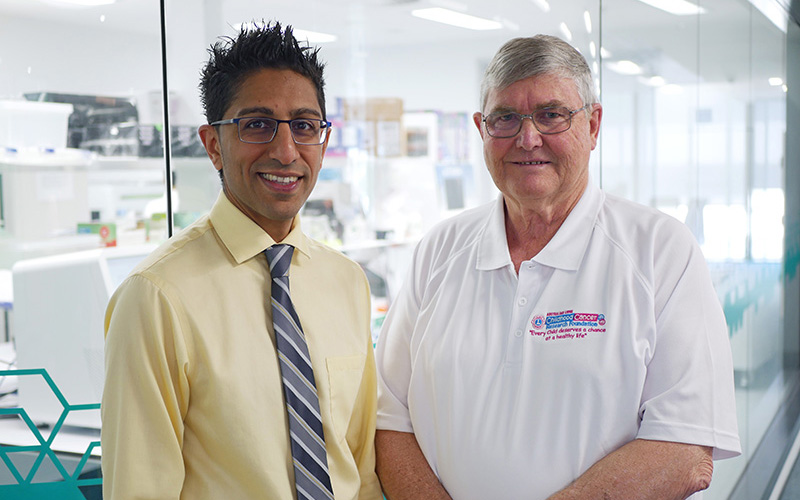
Childhood cancer research is getting a $1.05 million boost thanks to Australian Lions Childhood Cancer
Antisense oligonucleotides are an emerging therapeutic option to treat diseases with known genetic origin. In the age of personalised medicines, anti…