
Search
Showing results for "mental health aboriginal"
Wellbeing and mental health are fundamental rights of children and adolescents essential for sustainable development. Understanding the epidemiology of child and adolescent wellbeing is essential to informing population health approaches to improving wellbeing and preventing mental illness.
Parents of trans and gender diverse (herein ‘trans’) children experience additional challenges in their parenting role relative to parents of cisgender children. Understanding and enhancing parents’ empowerment is a promising approach to support both parents and children. We aimed to develop an empowerment scale specific to parents of trans children, grounded in parents’ lived experiences.

Rebecca 'Bec' Young is a research assistant on the Early Neurodevelopment and Mental Health team at The Kids Research Institute Australia.
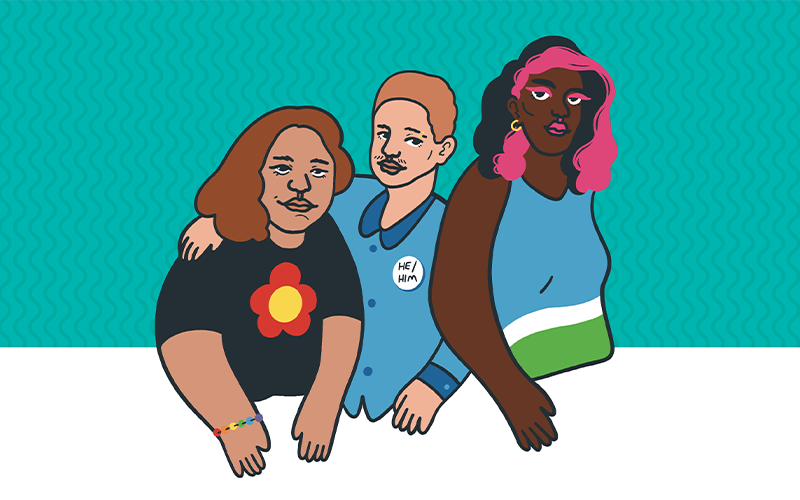
These guidelines outline a set of best practices for suicide prevention in LGBTQA+ young people, targeting both clinical and community service providers.
Here we present the collection of abstracts of invited lectures and oral communications presented during the 7th inVIVO Planetary Health Conference
This project aims to determine the prevalence of chronic wet cough, PBB and middle ear disease in Aboriginal children in Aboriginal communities in the Kimberley.
Head, BREATH Team

Aboriginal Project Coordinator
Psychological distress in the early postpartum period can have long-lasting deleterious effects on a mother's well-being and negatively affect her infant's development. Intervention approaches based in contemplative practices such as mindfulness and loving-kindness and compassion are intended to alleviate distress and cultivate well-being and can be delivered effectively as digital mental health interventions.
Helen Yael Morgan Perry BA (Hons), Doctor of Psychology BPsych (Hons) MPsych (Clin) PhD Senior Project Coordinator Head, Youth Mental Health 08 6319