
Search
Showing results for "early lung health"
Recently, an established "small macrophage" phenotype has been observed in the sputum of patients with CF and COPD. However, little is known about the...

Current projects STEPs View the recruitment flyer - professionals View the recruitment flyer - parents Register your interest (parents, caregivers,

Babies worldwide could have access to life-saving influenza vaccinations from just eight weeks of age thanks to researchers at The Kids Research Institute Australia and the generous support of the Telethon community.
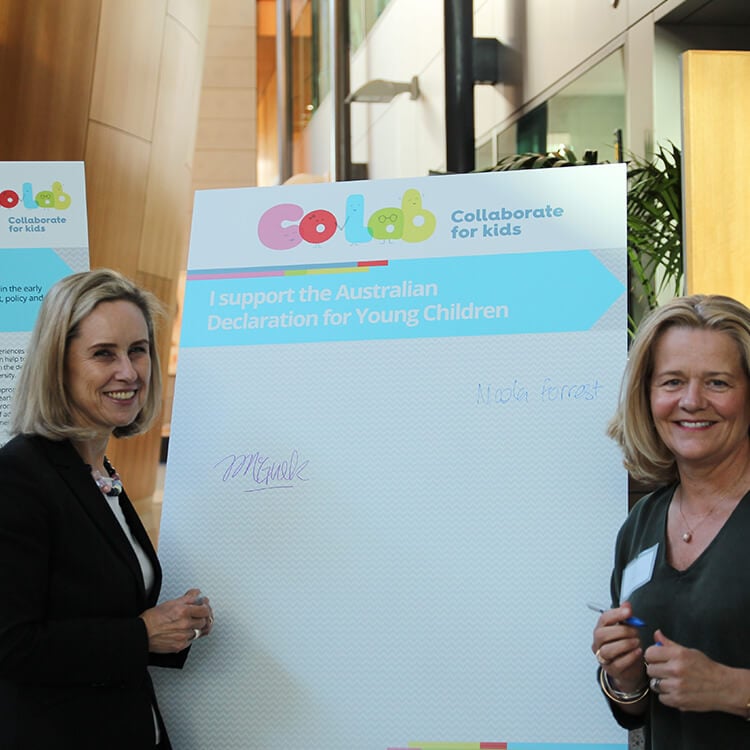
More than 70 leading early childhood experts have come together with CoLab to develop the first-ever Australian Declaration (of evidence) for Early Childhood.

Thanks to the generous support of West Australians, new funding from Channel 7’s Telethon Trust will help develop a much-needed clinical pathway to support families with kids who have early-stage type 1 diabetes (T1D).
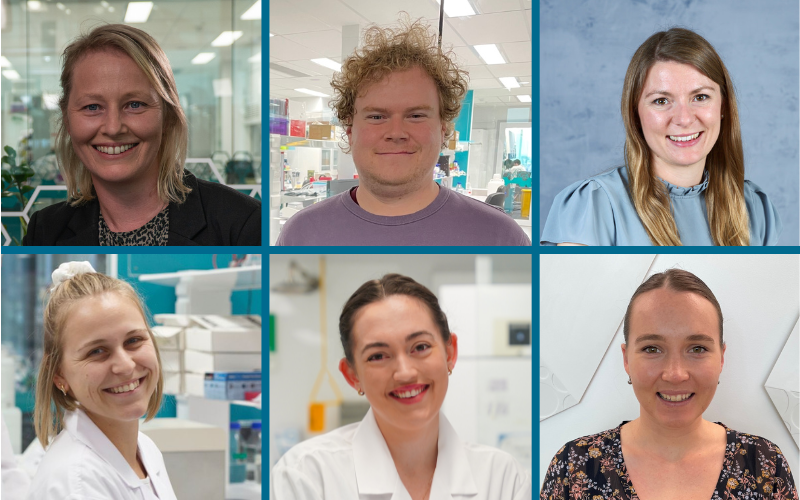
The Wal-yan Respiratory Research Centre is proud to have a team of researchers taking part in, and contributing to, the outstanding scientific programme of the European Respiratory Society International Congress, taking place in Milan.
With the importance of early childhood development more recognized by the international society, low-cost and cross-culturally comparable measures of early childhood development is in great demand, both in China and worldwide. In this study, we aim to test the psychometrics of the Chinese version of The Early Human Capability Index (eHCI), which is designed as a measurement for school readiness in large population.

WAACHS was the largest and most comprehensive survey ever undertaken into the health, wellbeing & development of WA Aboriginal and Torres Strait Islander kids
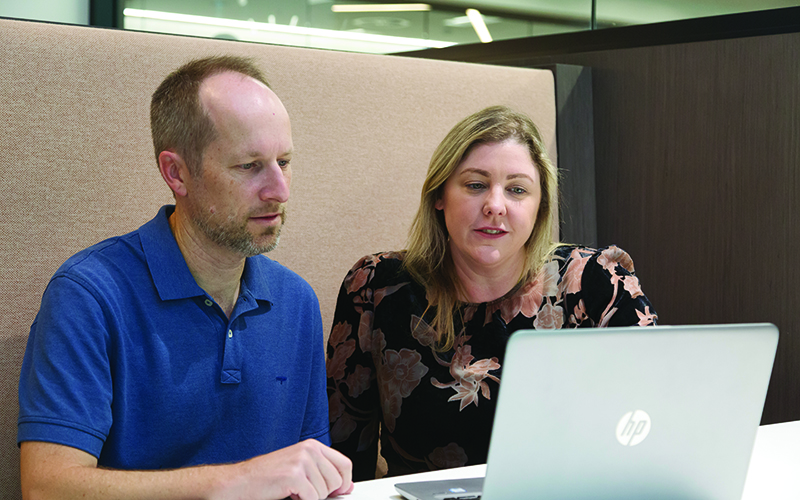
An interactive Child Development Atlas is giving policymakers, planners and services easy access to important data about the health and wellbeing of WA families.
The way we produce and use energy is transforming. Policy in this area intersects decisions that affect climate change, air quality, and the economy. The exponential increase in use of fossil fuel and nuclear energy has now essentially replaced human and animal energy. These transitions have contributed to notable gains, such as improvements in mortality rates attributable to improved heating, water quality and transportation.