
Search
Showing results for "clinical trials"
Postoperative nausea and vomiting is common after general anesthesia, with consequences for patient outcomes, satisfaction with care, and healthcare costs. The aim was to compare a new treatment, chewing gum, with a widely used intravenous agent, ondansetron, to treat postoperative nausea and vomiting in female patients in the postanesthesia care unit.
Difficult facemask ventilation is perilous in children whose tracheas are difficult to intubate. We hypothesised that certain physical characteristics and anaesthetic factors are associated with difficult mask ventilation in paediatric patients who also had difficult tracheal intubation.
Tracheostomy tubes act as foreign bodies, predisposing the surrounding airway to respiratory infections. Initial treatment for infections is topical - nebulized tobramycin - although guidelines for standardized treatment are lacking.
Securing an airway enables the oxygenation and ventilation of the lungs and is a potentially life-saving medical procedure. Adverse and critical events are common during airway management, particularly in neonates and infants. The multifactorial reasons for this include patient-dependent, user-dependent and also external factors.
Prior to the coronavirus disease-19 pandemic, the germicidal effects of visible light were well known. This review provides an overview of new findings that suggest there are direct inactivating effects of visible light - particularly blue wavelengths on exposed severe acute respiratory syndrome coronavirus 2 virions, and inhibitory effects on viral replication in infected cells. These findings complement emerging evidence that there may be clinical benefits of orally administered blue light for limiting the severity of COVID-19.
Increased prenatal testosterone exposure has been hypothesized as a mechanism underlying autism spectrum disorders (ASD).
This position will develop and support bioinformatics analysis and run pipelines required for clinical and research use of big data.
This position will develop and support bioinformatics analysis and run pipelines required for clinical and research use of big data.
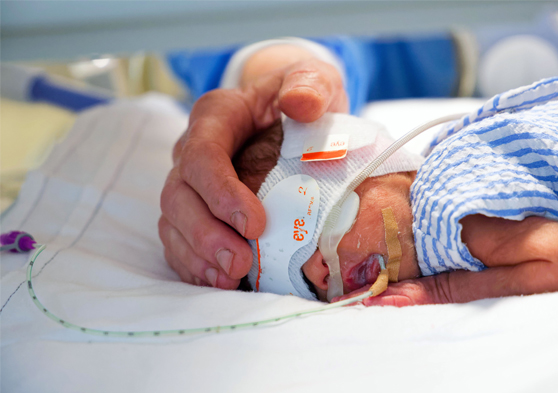
The CIRCA DIEM Study is a clinical research study being coordinated by the Developmental Chronobiology Team at The Kids Research Institute Australia, who are based in Perth, Western Australia and involving research teams from Australia and New Zealand.
Tom Snelling BMBS DTMH GDipClinEpid PhD FRACP Head, Infectious Disease Implementation Research 08 6319 1817 tom.snelling@thekids.org.au Head,