
Search
Showing results for "mental health aboriginal"
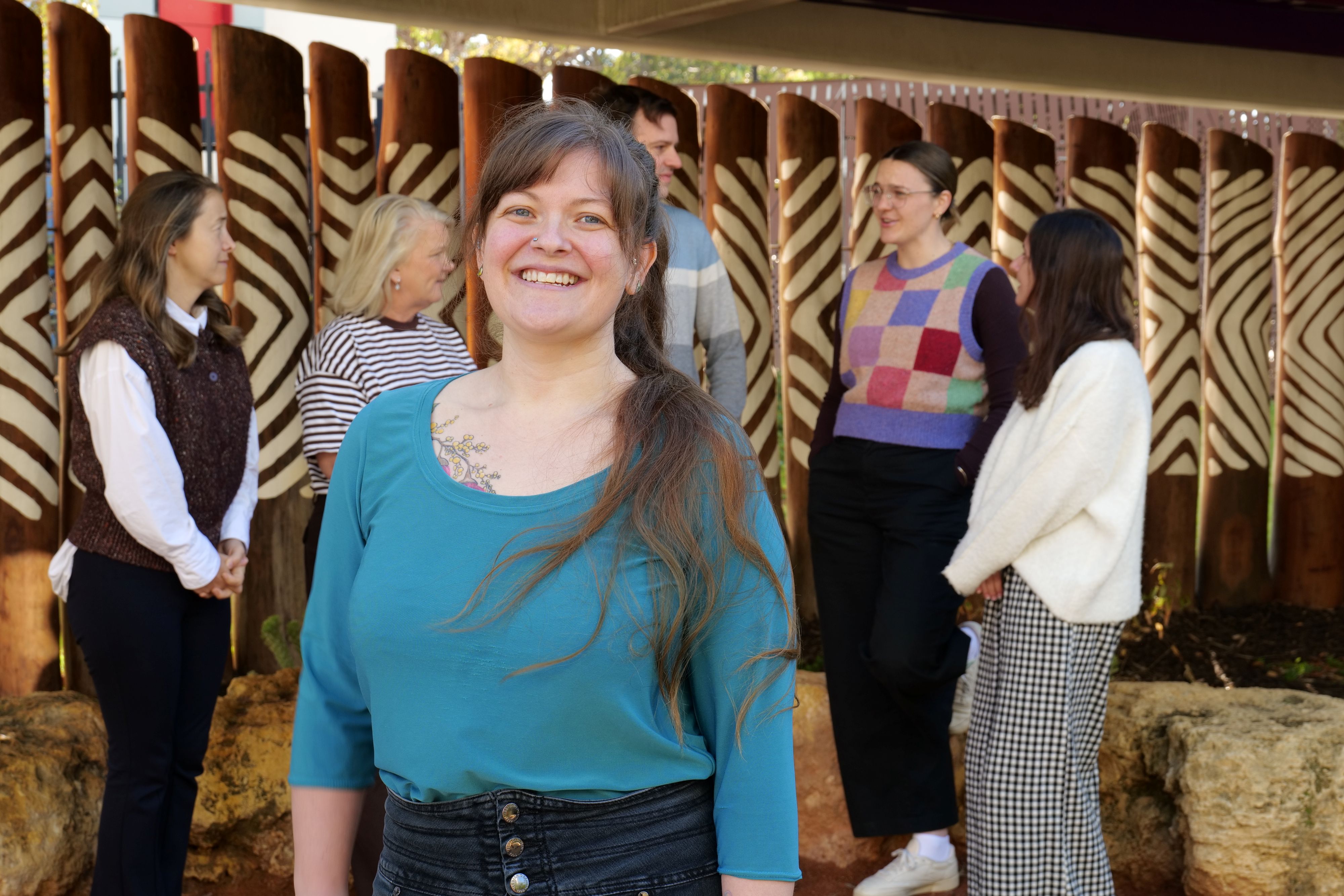
Researchers will map the key moments that shape family decision-making about accessing mental health support for young people.
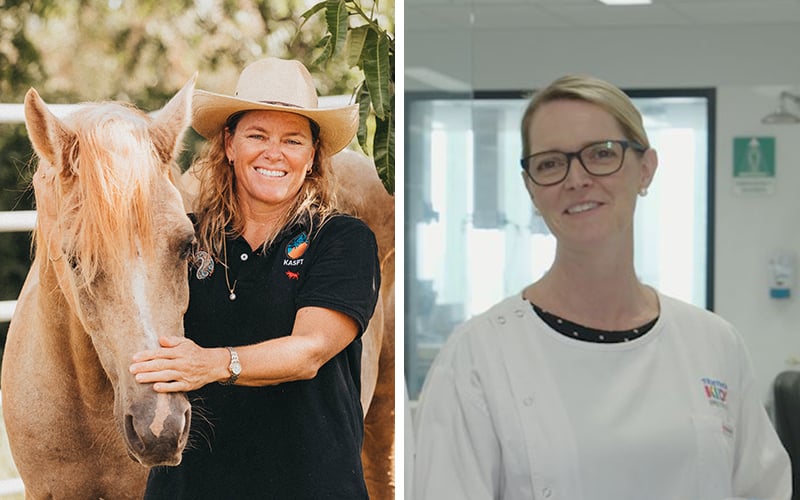
Two The Kids Research Institute Australia research teams have been awarded more than $3.5 million to fund innovative projects.
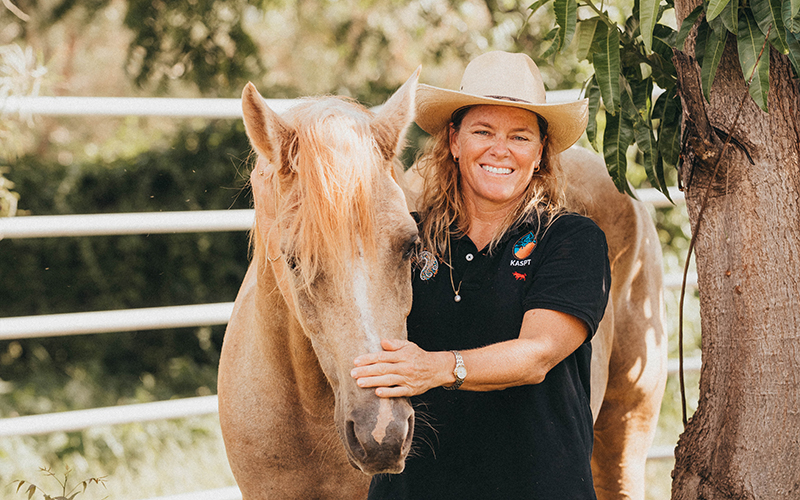
A trail-blazing Aboriginal-led program which uses equine-assisted learning to address the urgent needs of young Aboriginal people across the Kimberley has been given a major funding boost, thanks to a generous grant from Healthway.
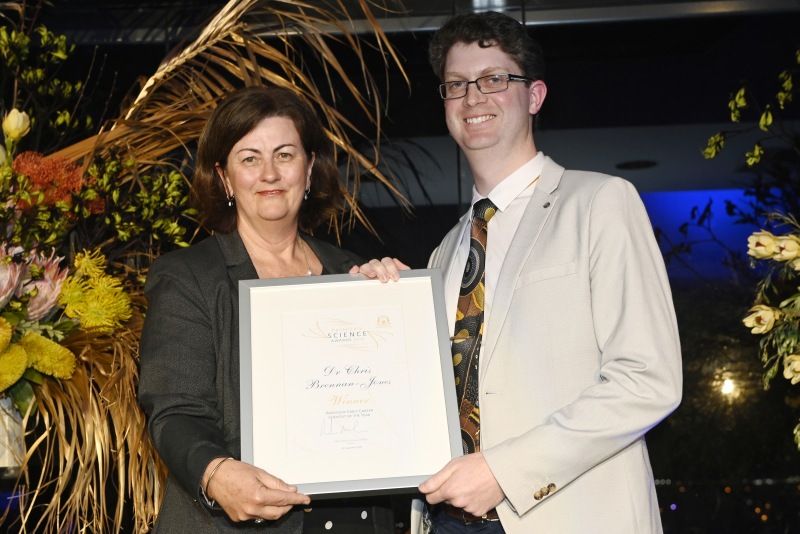
Congratulations to Telethon Kids Institute researcher Dr Chris Brennan-Jones who was named Woodside Early Career Scientist of the Year at last night’s 2020 Premier’s Science Awards.
Parental support is strongly correlated with protective factors for trans youth yet most experience parental rejection or ambivalence regarding their gender. Many parents report a desire to support their child but indicate lack of understanding and support as key barriers. We aimed to develop a nuanced understanding of the challenges and facilitators experienced by Australian parents in developing understanding, support and acceptance of their child’s gender and their needs to do so.
Parental support is strongly correlated with protective factors for trans youth, however, most experience unsupportive parental attitudes. We aimed to better understand how youth perceive parental reactions to their gender identity disclosure and what they consider to be barriers to, and facilitators of, support.
LGBTQA+ young people experience suicidal thoughts and behaviors at a much greater rate than their heterosexual and cisgender peers. This study explored firsthand accounts of the coping strategies employed by LGBTQA+ young people when experiencing suicidal thoughts and behaviors.
This study aims to clarify the pathways through suicidality experienced by LGBTQA+ young people to identify areas for possible intervention.
Many families of trans young people tell us they feel unsure, stressed, or alone as they try to support their child.
International guidelines recommend multidisciplinary intervention programs for addressing childhood obesity. In Western Australia, community-based healthy lifestyle programs for children and young people are insufficient for demand, especially for those over-represented in obesity statistics relating to prevalence. This protocol outlines the implementation and evaluation of an adapted, evidenced, community-based program in Perth, Western Australia.