
Search
Showing results for "clinical trials"
Asha Christopher Tom Bowen Blyth Snelling BA MBBS DCH FRACP PhD GAICD FAHMS OAM MBBS (Hons) DCH FRACP FRCPA PhD BMBS DTMH GDipClinEpid PhD FRACP Head

Preventing over half of the world’s ear infections with a therapy such as Spritz-OM will significantly improve health and educational outcomes on a global scale.

We provide opportunities for integrated research and clinical projects and scholarships are granted on a competitive basis to outstanding candidates.

Cystic fibrosis (CF) is the most common life‐shortening genetic disease affecting children.
Controlling the syphilis epidemic in Australia is a public health priority. Regular intramuscular (IM) injections of benzathine penicillin G (BPG) are the current standard of care for late latent syphilis in Australia; however, repeated IM BPG injections are painful, and treatment completion rates are low. Early-phase clinical trials have demonstrated the tolerability and safety of high-dose subcutaneous infusions of BPG (SCIP), where the total treatment dose can be delivered at a single visit. Here we describe the experiences and preferences of attendees of Western Australian sexual health clinics in the Perth metropolitan region who have syphilis and were treated with SCIP.
One in four ED presentations in WA children are for ARIs, representing a significant out-of-hospital burden with some evidence of geographical disparity
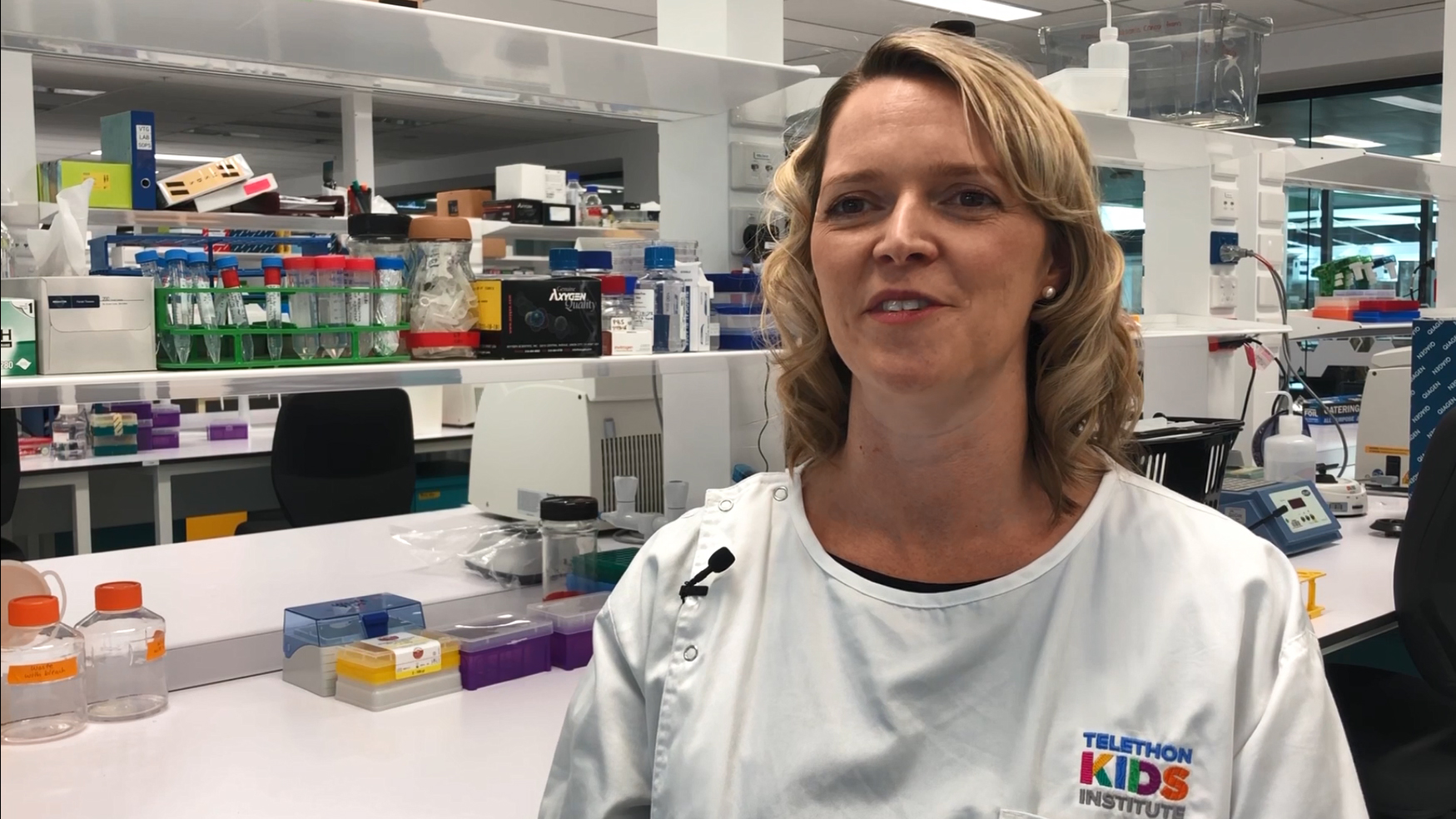
A nasal spray that could potentially prevent childhood ear infections and reduce antibiotic use is a step closer to clinical trials thanks to a $500,000 CUREator grant.
Dynamic molecular changes in early life follow a robust ontogeny as the infant immune system adapts to the demands of its new environment. Studies of plasma immunomodulatory cytokines and chemokines have previously demonstrated ontogenetic patterns of immune development across the first week of life. However, how plasma cytokine and chemokines concentrations evolve over the first 4 months of life remains unknown.
Debbie Susan Palmer Prescott BSc BND PhD MBBS BMedSci PhD FRACP Head, Nutrition in Early Life Honorary Research Fellow debbie.palmer@uwa.edu.au
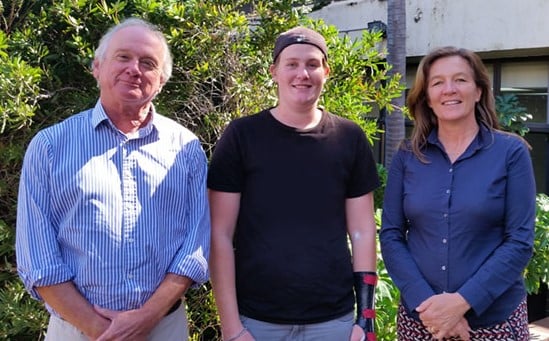
Meet Bianca Bertrand – she’s a glass half-full rather than half-empty person, always looking at the positives in life, especially when it comes to managing T1D