
Search
Showing results for "aboriginal respiratory"
Health outcomes for Australian Aboriginal and Torres Strait peoples are very poor. This is considerably worse in remote regions. The East Pilbara, where the Aboriginal and Torres Strait Islander communities of the Martu and Nyiyaparli people reside, is one such remote region.
Acute poststreptococcal glomerulonephritis (APSGN) is an immune complex-induced glomerulonephritis that develops as a sequela of streptococcal infections. This article provides guidelines for the surveillance of APSGN due to group A Streptococcus (Strep A). The primary objectives of APSGN surveillance are to monitor trends in age- and sex-specific incidence, describe the demographic and clinical characteristics of patients with APSGN, document accompanying risk factors, then monitor trends in frequency of complications, illness duration, hospitalization rates, and mortality.
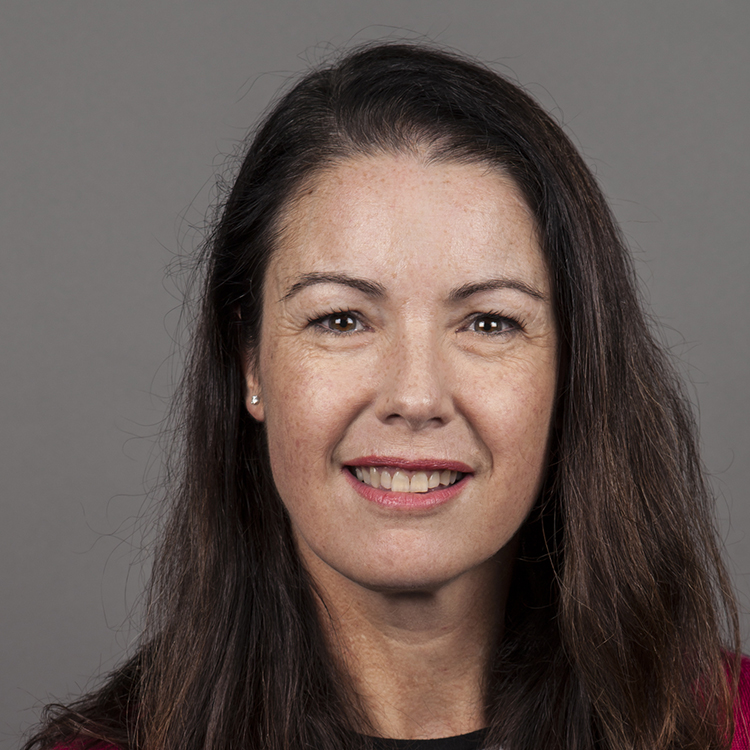
Honorary Research Fellow
Understanding the geospatial distribution of influenza infection and the risk factors associated with infection clustering can inform targeted preventive interventions. We conducted a geospatial analysis to investigate the spatial patterns and identify drivers of medically attended influenza infection across all age groups in Western Australia.
AMR is a rapidly growing challenge and has been identified as one of the World Health Organizations top 10 global health threats, with the potential to undo many of the health gains observed over the last century.
Healthy skin is important for maintaining overall physical and cultural health and wellbeing. However, remote-living Australian Aboriginal children contend with disproportionally high rates of Streptococcus pyogenes (Strep A) infected impetigo.

Research Support Officer
The Health of Aboriginal Children and Young People
Dr Anthony Bosco, Professor Steve Stick, Professor Andrew Whitehouse, Dr Raelene Endersby and Dr Luke Garratt know how fortunate they are to have
Dr Anthony Bosco, Professor Steve Stick, Professor Andrew Whitehouse, Dr Raelene Endersby and Dr Luke Garratt know how fortunate they are to have