
Search
Showing results for "early lung health"
Seeking two highly motivated and talented post-doctoral researchers to develop and lead a program of research

The Kids Research Institute Australia is pleased to share in $490,000 in State Government funding designed to provide vital support to WA’s innovation sector in the wake of COVID-19.
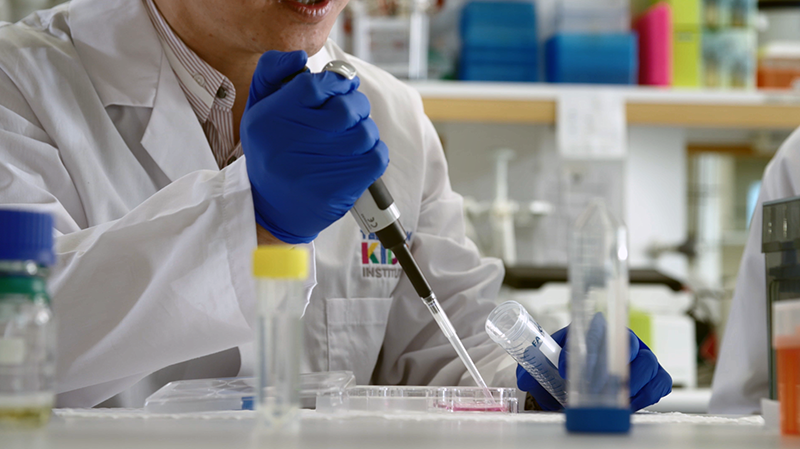
The Kids researchers will use nearly $8.5 million awarded by the National Health and Medical Research Council (NHMRC) to tackle health issues including respiratory disease, brain cancer, vaccination and Aboriginal health.
Delivering tangible and measurable improvements to the health and wellbeing of children is at the centre of a bold new blueprint for child health research in WA
Join our Friday Child Health Research Seminars in 2014 to explore the latest advancements in child health and connect with leading experts.
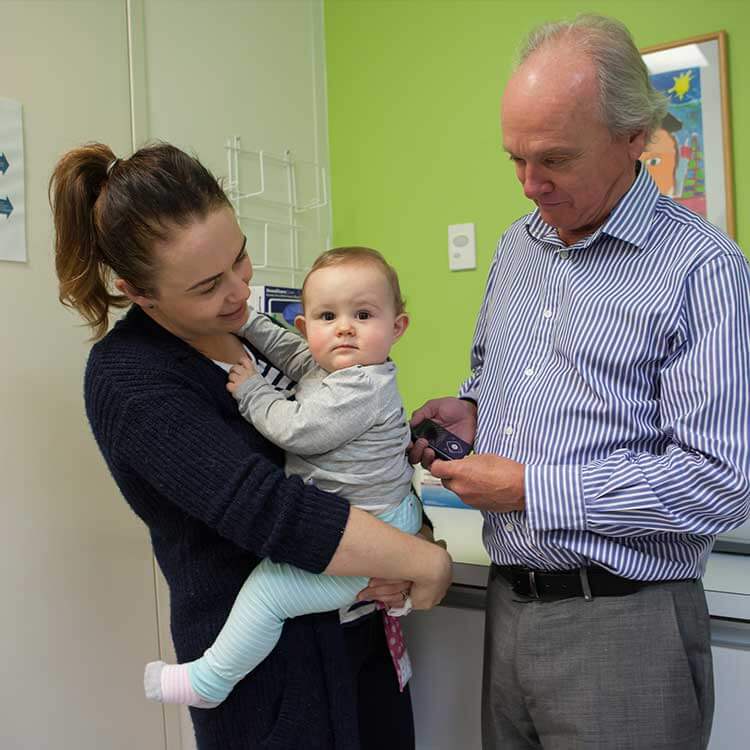
Researchers at The Kids Research Institute Australia have today been awarded more than $11 million in funding from the National Health and Medical Research Council.

Check out the Centre's Professor Liz Davis featured in an article about gut health and type 1 diabetes risk in The Post.
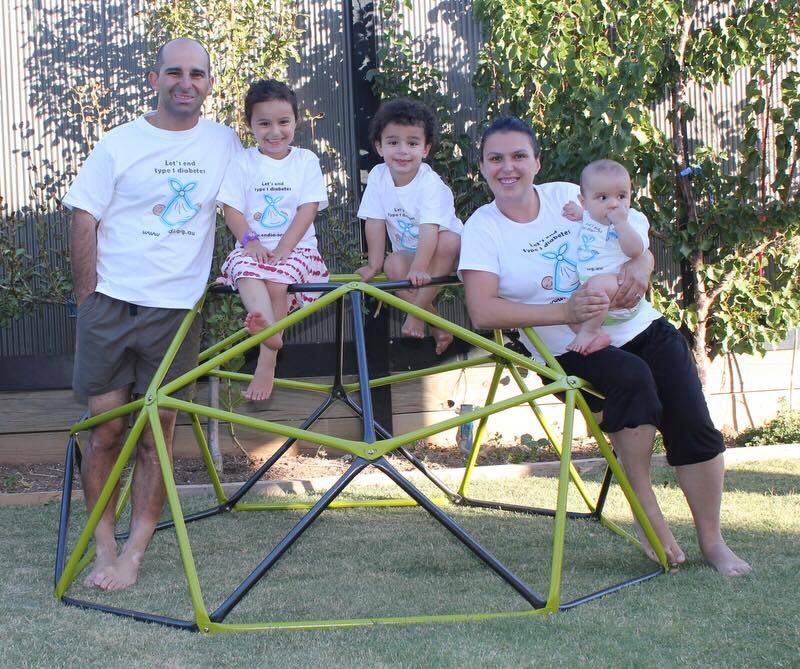
Evidence is mounting that the bacteria in a mother’s digestive system, known as microbiome, can influence the health of babies.
Examining the pathways of perinatal maternal mental health that influence child mental health outcomes.
The general practitioner has an important role in promoting sexual health in adolescents. A proactive approach with high-quality support is essential.