
Search
Showing results for "mental health aboriginal"
Adolescents were likely to use a mobile phone app for relationship support, and use was not influenced by background characteristics
This study aims to examine the experience of multiple disadvantages in two generations of Australian families, and how these experiences relate to the trajectories of children, the third generation.
Aboriginal Researcher
This project aims to explore how Australian children spend their time over an extended and important period of their lives (from birth to 16/17 years old) and how such time allocation contributes to their development outcomes.
Research Assistant
We argue that the success of planetary health solutions is predicated on a more sophisticated understanding of the psychology of prevention and intervention at all scales
We argue that the principles and practice of narrative medicine can be applied on a larger scale, one with planetary health in mind
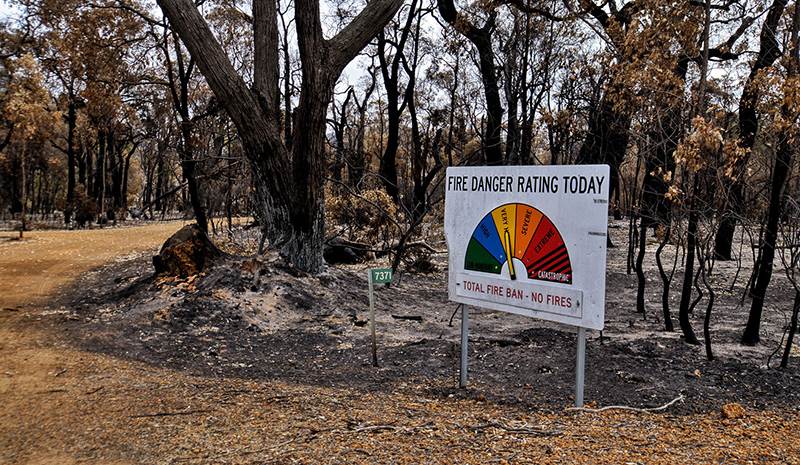
Bushfires can have a considerable impact on our health, with some symptoms lasting long after the flames are extinguished. And our children are amongst the most vulnerable.

A consortium of partners across the WA medical research sector will develop and deliver the State’s first digital health-specific program.

The integration of multi-omics approaches with clinical research will be, without doubt, a cornerstone of future innovation in medical practice.