
Search
Showing results for "aboriginal respiratory"

Honorary Research Associate
Australian Aboriginal and/or Torres Strait Islander children in rural/remote areas suffer high rates of persistent otitis media (OM) from early infancy. We aimed to determine the proportion of Aboriginal infants living in an urban area who have OM and investigate associated risk factors.
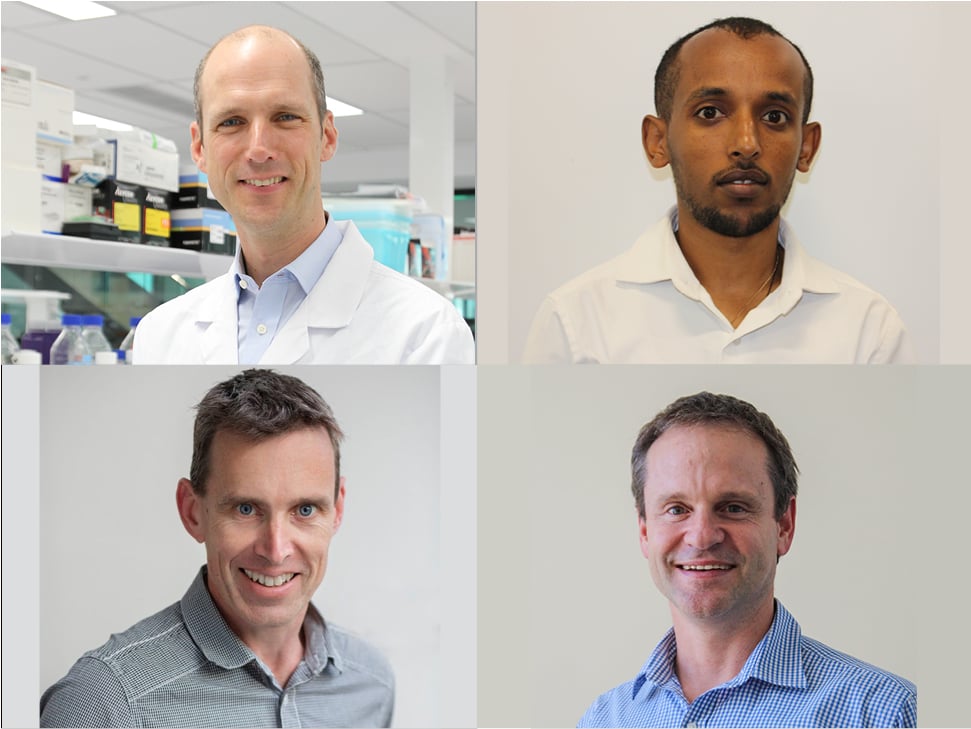
Researchers at The Kids Research Institute Australia have been awarded $4.6 million in national funding from the National Health and Medical Research Council (NHMRC) and Medical Research Future Fund (MRFF) to help support child health research.

The Infectious Disease Implementation Research Team is a multi-disciplinary group researching the best way to implement infectious disease prevention and treatment strategies to improve the wellbeing of children and teenagers.
Understanding the biological mechanisms behind multimorbidity patterns in adolescence is important as they may act as intermediary risk factor for long-term health. We aimed to explore relationship between prenatal exposures and adolescent's psycho-cardiometabolic intermediary traits mediated through epigenetic biomarkers, using structural equation modeling (SEM).
This study aimed to describe the vitamin D status of pregnant women in Western Australia and identify predictors of deficiency in pregnancy. A cross-sectional study was conducted using linked data from statewide administrative data collections.
Agreement between the DDD and vial-based measures of use supports the use of DDD for select antibiotics that may be targeted by antimicrobial stewardship programs
We therefore speculate that removal of wP from the vaccine schedule contributed to the observed rise in IgE-mediated food allergy among Australian infants
Dosing errors are the most commonly reported medication error in children. Dosing is often prescribed per weight or based on body area.
Outbreaks of rotavirus diarrhea cause a large disease burden in the Alice Springs region of the Northern Territory, Australia.