
Search
Showing results for "mental health aboriginal"
High rates of recurrent infection are a major risk to the health of Aboriginal children and are comparable to those of third world countries.
Senior Research Officer
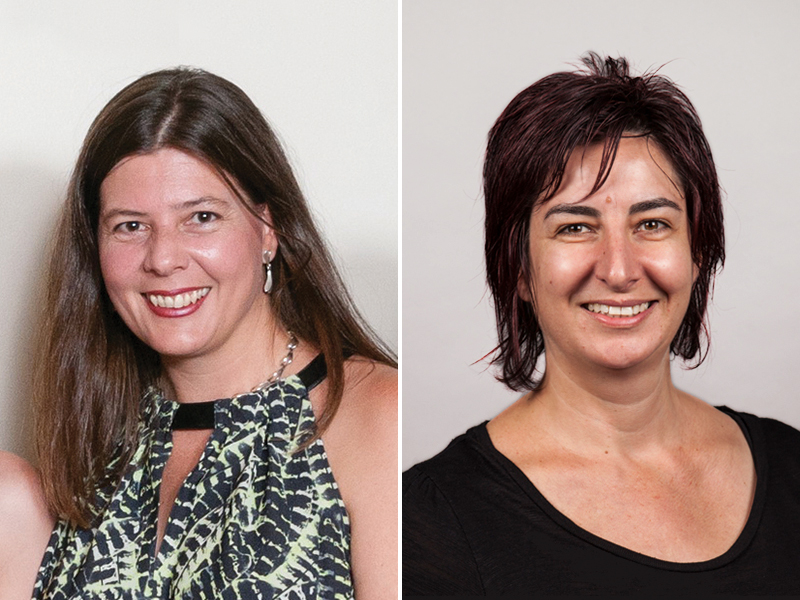
Two leading The Kids Research Institute Australia researchers will use more than $1.1 million in National Health and Medical Research Council funding to improve outcomes for some of the world’s most vulnerable children and young people.

Senior Research Officer, Epidemiology
There is a large volume of research on the persistence of advantage and disadvantage across generations. Intergenerational studies typically address family resources as independent factors, which ignores how risks cluster together and accumulate over time.
Australians who are Not in Employment, Education or Training (NEET) and receive income support span a wide spectrum of working ages. Australian research has concentrated on NEETs aged 15-29 years, in line with international standards. This paper investigates extending the NEET concept to include all working age persons 15-64 years and the value added to welfare policy through analysis of a new linked dataset.
A student’s learning potential is limited if they do not attend school regularly.
We analyzed two large-scale surveys, and found high rates of smoking in people with mood disorders and both with and without substance dependence disorders.
This study provides evidence that continued participation in playgroups is associated with better outcomes for children from disadvantaged families.
The Kids Research Institute Australia's Human Capability Team has been asked by the Commonwealth Department of Education, Skills and Employment (DESE) to prepare a methodology and project plan to conduct a nationally-representative survey of bullying prevalence among children and young people in Years 4–10.