
Search
Showing results for "aboriginal respiratory"
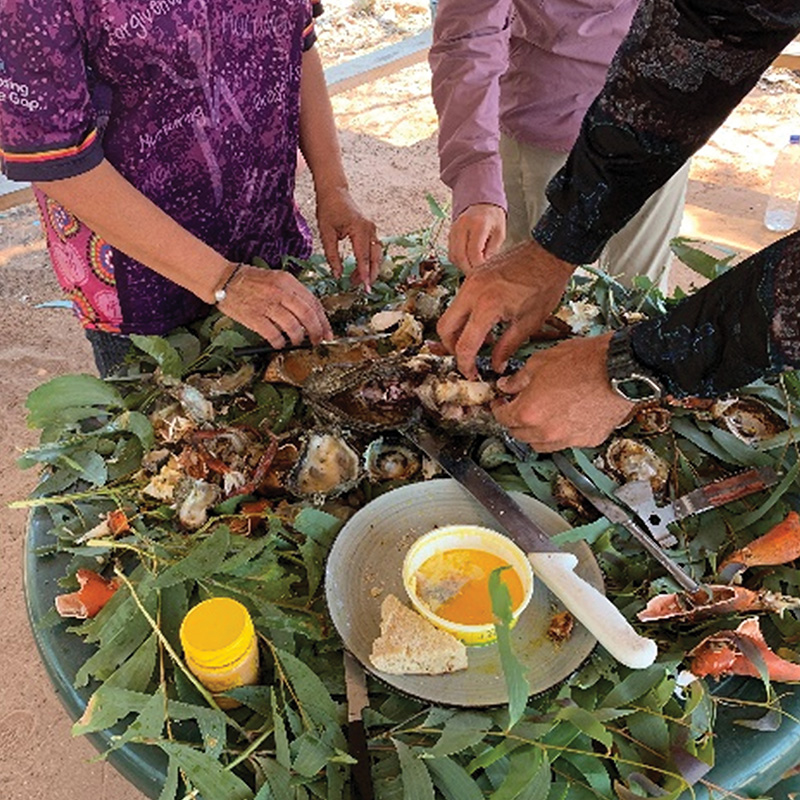
Researchers are collaborating with Community Elders to find out how bush tucker and traditional food can improve the health of Aboriginal children.
This paper describes a mathematical model used to predict when an epidemic of respiratory syncytial virus (RSV) will occur so that preventive measures, such...
Acute lower respiratory infections (ALRI) are a major cause of hospitalisation in young children
Chronic wet cough in children is the hallmark symptom of protracted bacterial bronchitis (PBB) and if left untreated can lead to bronchiectasis, which is prevalent in Indigenous populations. Underrecognition of chronic wet cough by parents and clinicians and underdiagnosis of PBB by clinicians are known.
Conserved vaccine candidate proteins from S.pneumoniae induce serum and salivary antibody responses in Aboriginal and non-Aboriginal children with history of OM
André Schultz MBChB, PhD, FRACP Head, BREATH Team Head, BREATH Team Prof André Schultz is the Head, BREATH Team at The Kids Research Institute
Arsenic is the only environmental toxin that has been linked to both malignant and nonmalignant respiratory disease following ingestion, rather than inhalation, making arsenic a unique toxicant to the respiratory system. Chronic exposure to arsenic has been associated with the development of respiratory symptoms, impaired lung function, and chronic lung disease.
Various developmental aspects of respiratory physiology put infants and young children at an increased risk of respiratory failure, which is associated with a higher rate of critical incidents during anesthesia.
The Opportunity The Biostatistician provides statistical guidance and support in respiratory disease (primarily cystic fibrosis) disease including
We know from research that the risk of death from respiratory disease is 14 times higher for adults with cerebral palsy than for other adults. Respiratory disease is the most common cause of premature death in children and young people with cerebral palsy and one of the main causes of hospitalisation.