
Search
Showing results for "autism"
Numerous studies have observed that a proportion of infants later diagnosed with autism spectrum disorder (ASD) experience accelerated head growth...
The Curtin University research in collaboration with The Kids Research Institute Australia, published in Autism Research, investigated more than 925,000 births in Denmark, Finland and Sweden.
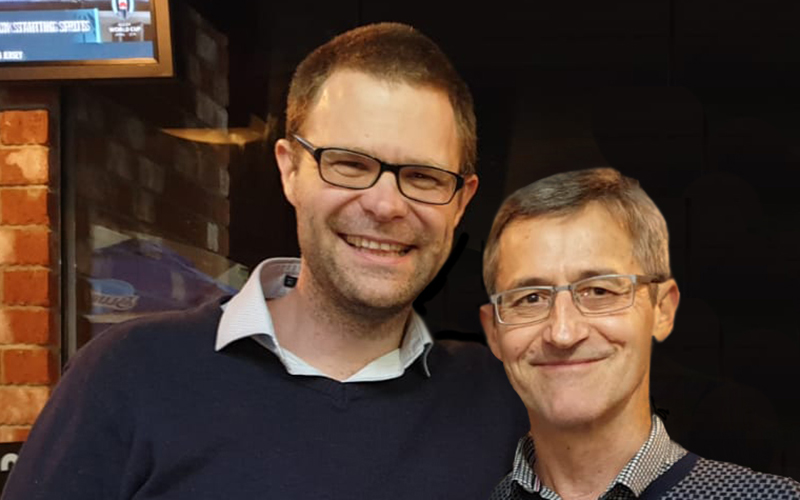
Director of CliniKids, Professor Andrew Whitehouse, and Professor Murray Maybery, have been identified as the world’s most frequent autism research collaborators of the decade.
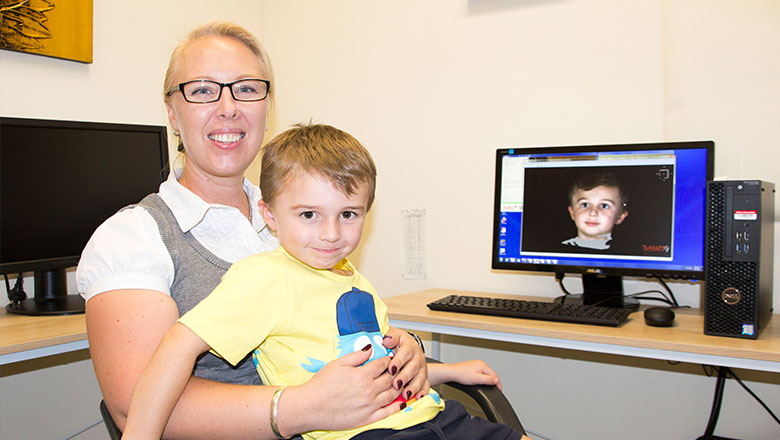
Can you see signs of autism in a child's facial features? Telethon Kids researchers have acquired new face scanning technology to help answer this question.
This paper profiles the functional pattern of DNA variants found at a higher rate in patients with autism spectrum disorder (ASD), X-linked intellectual...
Autism spectrum disorders (ASD) are currently diagnosed in the presence of impairments in social interaction and communication, and a restricted range of...
This review aims to summarise and evaluate the potential mechanisms and evidence for the role of prenatal infection on the central nervous system, and how it...
This finding supports distinct cognitive profiles in ASD and SLI and may provide further evidence for distinct aetiological mechanisms in the two conditions.
We wanted to explore the quality of life of mothers of children with autism and intellectual disability and identify factors that impact their quality of life.
We used population data on Western Australian singletons born from 1984 to 1999 (n = 398,353) to examine the sociodemographic characteristics of children...