
This genome-wide association study (GWAS) utilises data from the Western Australian Pregnancy Cohort (Raine) Study for 25-hydroxyvitamin D (25(OH)D)…
The rate of non-compliance with vitamin D supplementation is as high as 45%. This is why randomised controlled trials are needed to analyse the respo…
The rate of non-compliance with vitamin D supplementation is as high as 45%. This is why randomised controlled trials are needed to analyse the respo…
This paper examined the link between low serum Vitamin D levels and development of non-alcoholic fatty liver disease (NAFLD) in adolescents between 1…
Here we discuss how skin exposure to sunlight may suppress liver inflammation and the severity of NAFLD.
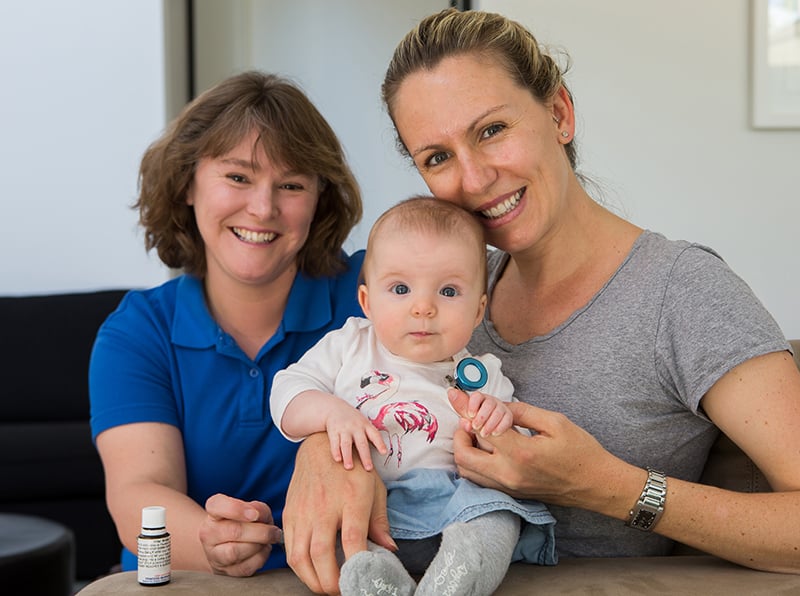
Kids Research Institute Australia has suggested vitamin D supplementation in babies is no match for sunlight ... Immunology, set out to test whether…
The analysis of 25-hydroxyvitamin D3 (25(OH)D3) and related metabolites represents a considerable challenge for both clinical and research laboratori…
The aim of this work is to review current metabolic and molecular aspects of the VitD-VitD receptor axis in reproductive medicine
The regulation of Transketolase by oxythiamine and/or vitamin B1 may therefore be associated with response to the modulation of NET formation
Emerging findings suggest a protective role for ultraviolet radiation (UVR) and sun exposure in reducing the development of obesity and cardiometabol…