
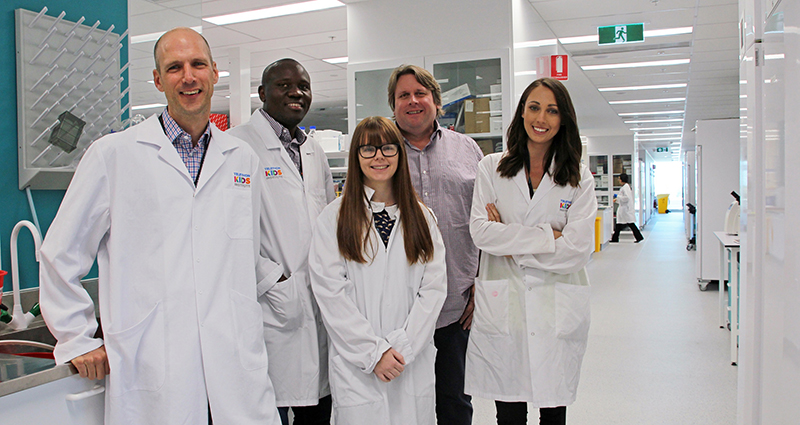
This year for Childhood Cancer Awareness Month, we got to know the sarcoma research team at Telethon Kids.
The Robert Connor Dawes Foundation has joined forces with the Ethan Davies Fellowship to co-fund a The Kids Research Institute Australia initiative a…
The Kids Research Institute Australia’s cancer researchers will use funds raised in the name of a brave three-year-old girl to launch a new assault o…
In the field of cancer research, lobbying efforts by the The Kids Cancer Centre have contributed to major initiatives including Australia’s first per…
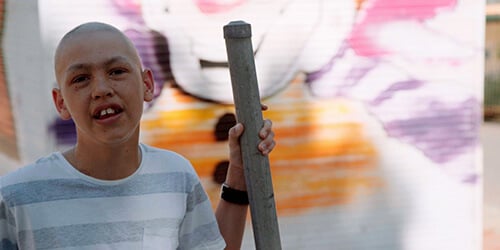
The Cancer Immunology team at The Kids is investigating how the body's 'natural killer' cells can be harnessed to fight cancer – whilst also protecti…
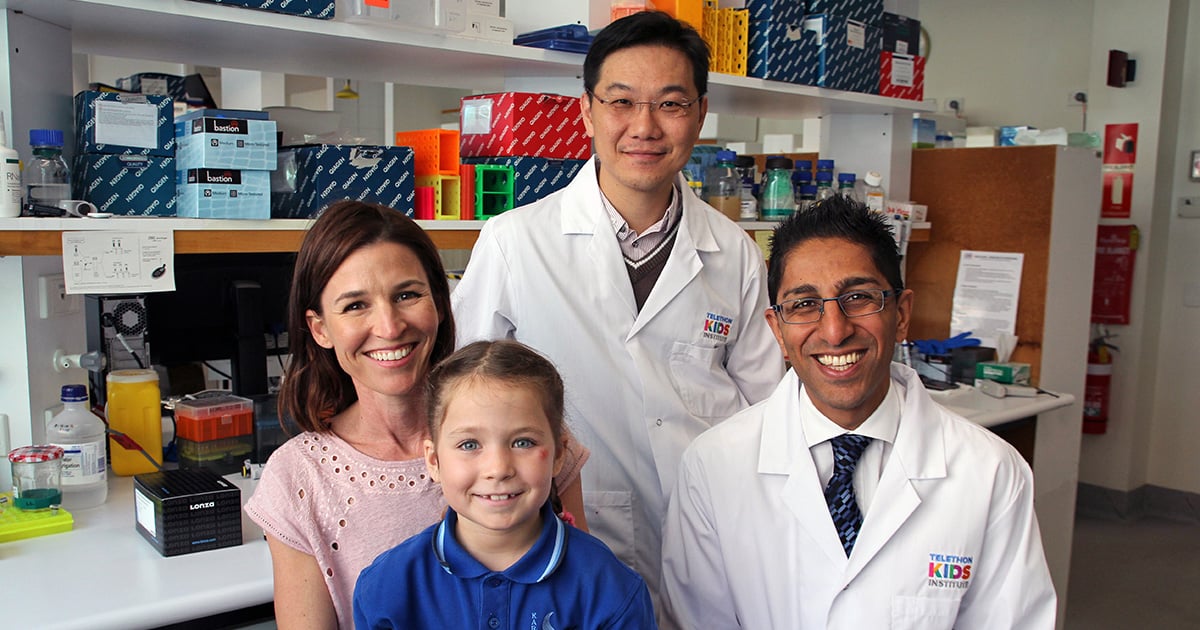
The Kids Research Institute Australia researchers may have unlocked a vital key to reducing the progression of leukaemia in children, potentially pro…
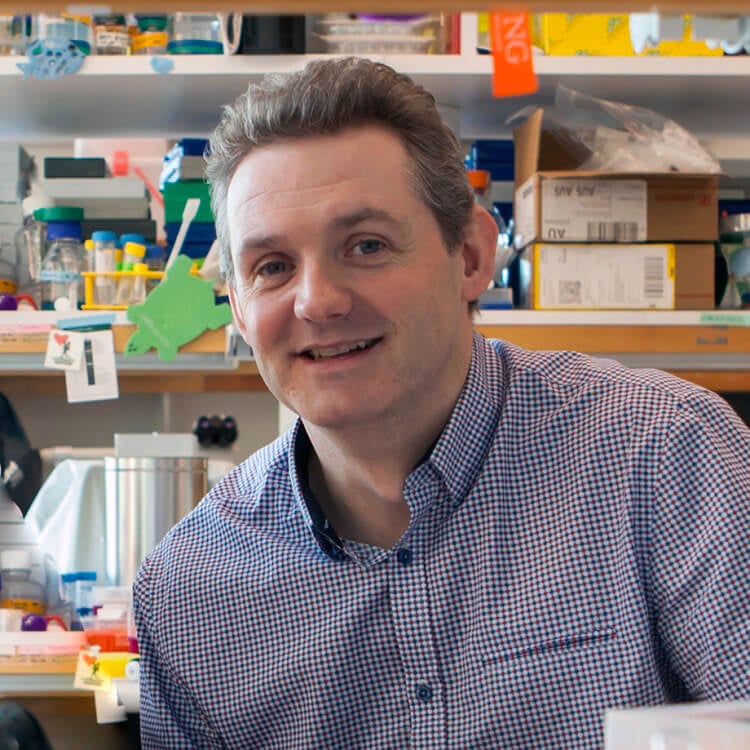
The Kids cancer researcher & clinician Dr Nick Gottardo has been announced as the recipient of an Innovation Grant from the Cure Brain Cancer Foundat…
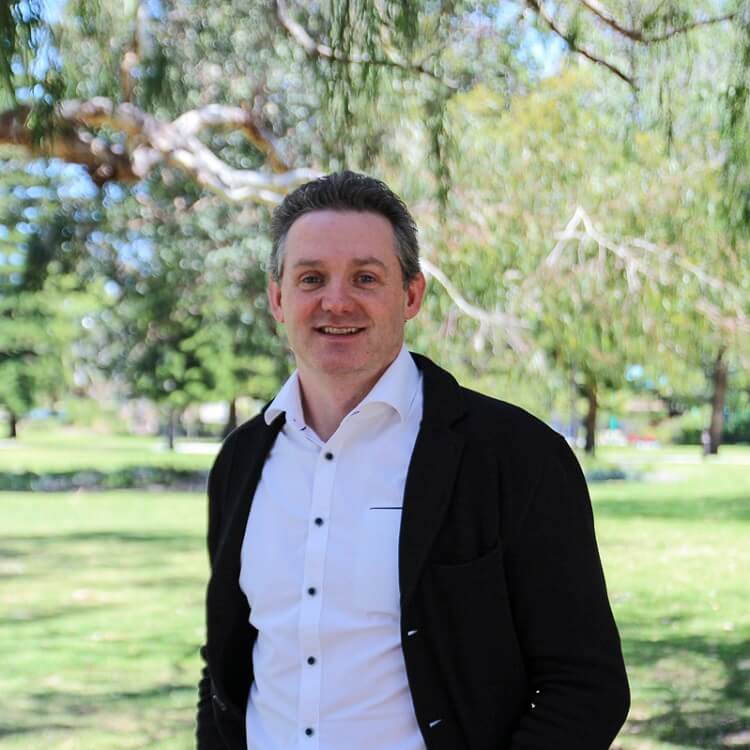
Dr Nick Gottardo, Co-Head of The Kids Research Institute Australia's Brain Tumour Research Team, has been announced a nominee for the 2018 WA Austral…

Personalised medicine for childhood cancers in West Australia is a step closer thanks to the Zero Childhood Cancer program’s state clinical trial lau…
A The Kids Research Institute Australia researcher will investigate new ways to harness the body’s own immune system to fight melanoma, thanks to Can…