
Search
The benefits that swimming pools may bring to to ear and eye health in remote Aboriginal communities remains unresolved
Given the ongoing mortality and morbidity from GAS infections, we must address more effectively the treatment and prevention of GAS impetigo and pharyngitis
Scabies is endemic in many Aboriginal and Torres Strait Islander communities, with 69% of infants infected in the first year of life.
We still do not have a RF vaccine, although the recent announcement that the Australian and New Zealand governments are jointly sponsoring a program to fast...
The median number of presentations per child in the first year of life was 21 with multiple reasons for presentation.
Providing remote communities with access to chlorinated swimming pools has been considered as a possible strategy for reducing ear and skin infection rates...
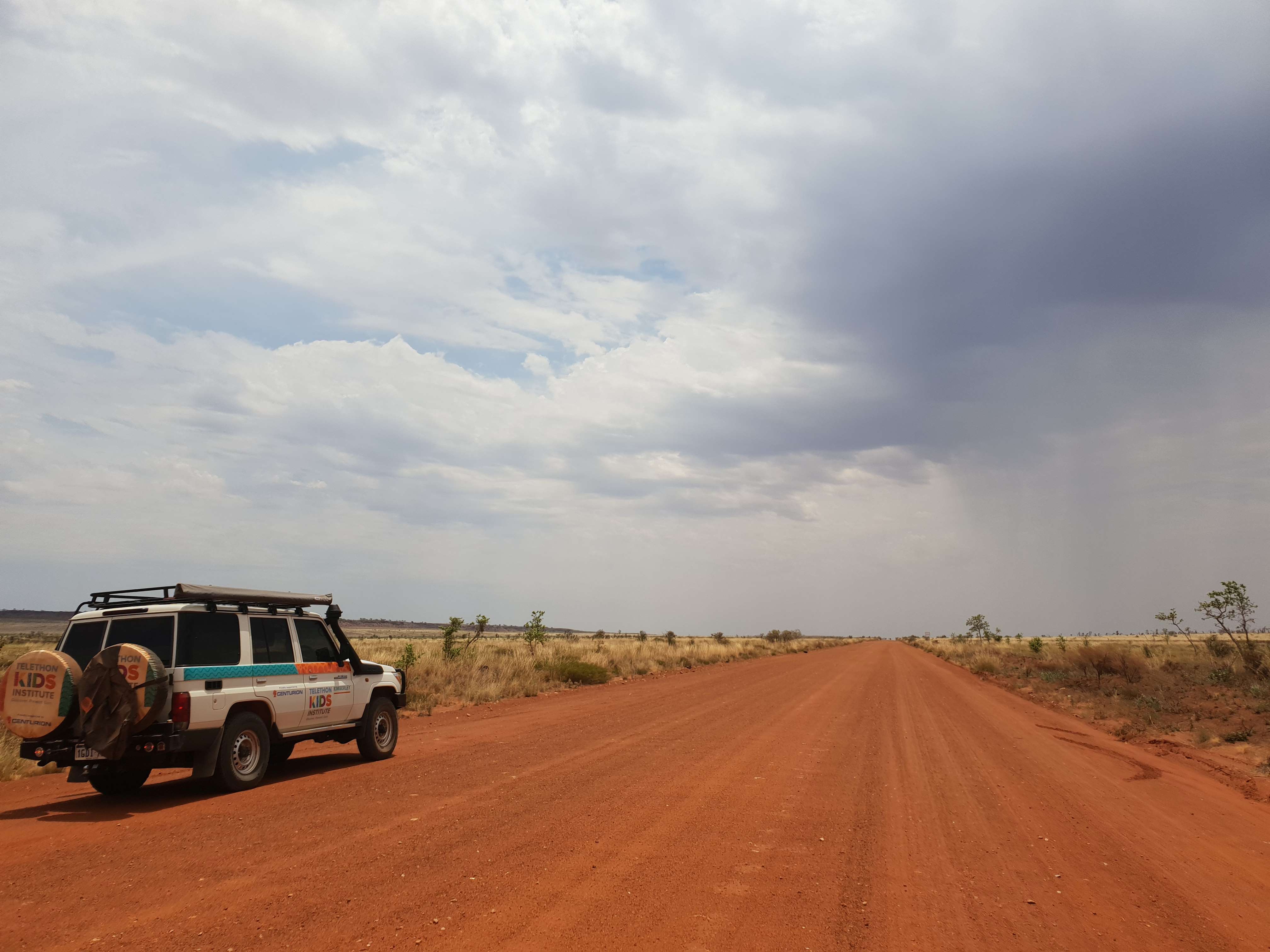
Led by The Kids Research Institute Australia and Aboriginal health organisations in close partnership with nine Aboriginal communities in Western Australia’s Kimberley region, the five-year SToP Trial set out to identify the best possible methods to See, Treat and Prevent painful skin sores and scabies.
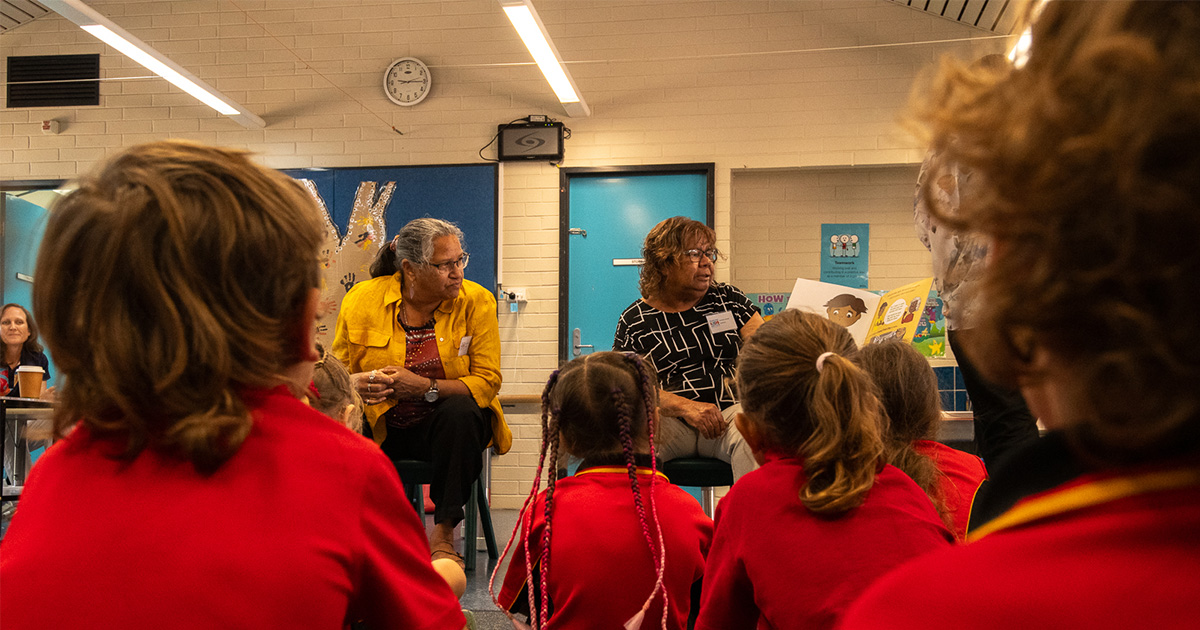
A children’s book – written by community, for community – has been launched in Western Australia’s south-west to help children and families understand more about one of the most common inflammatory skin conditions in children.
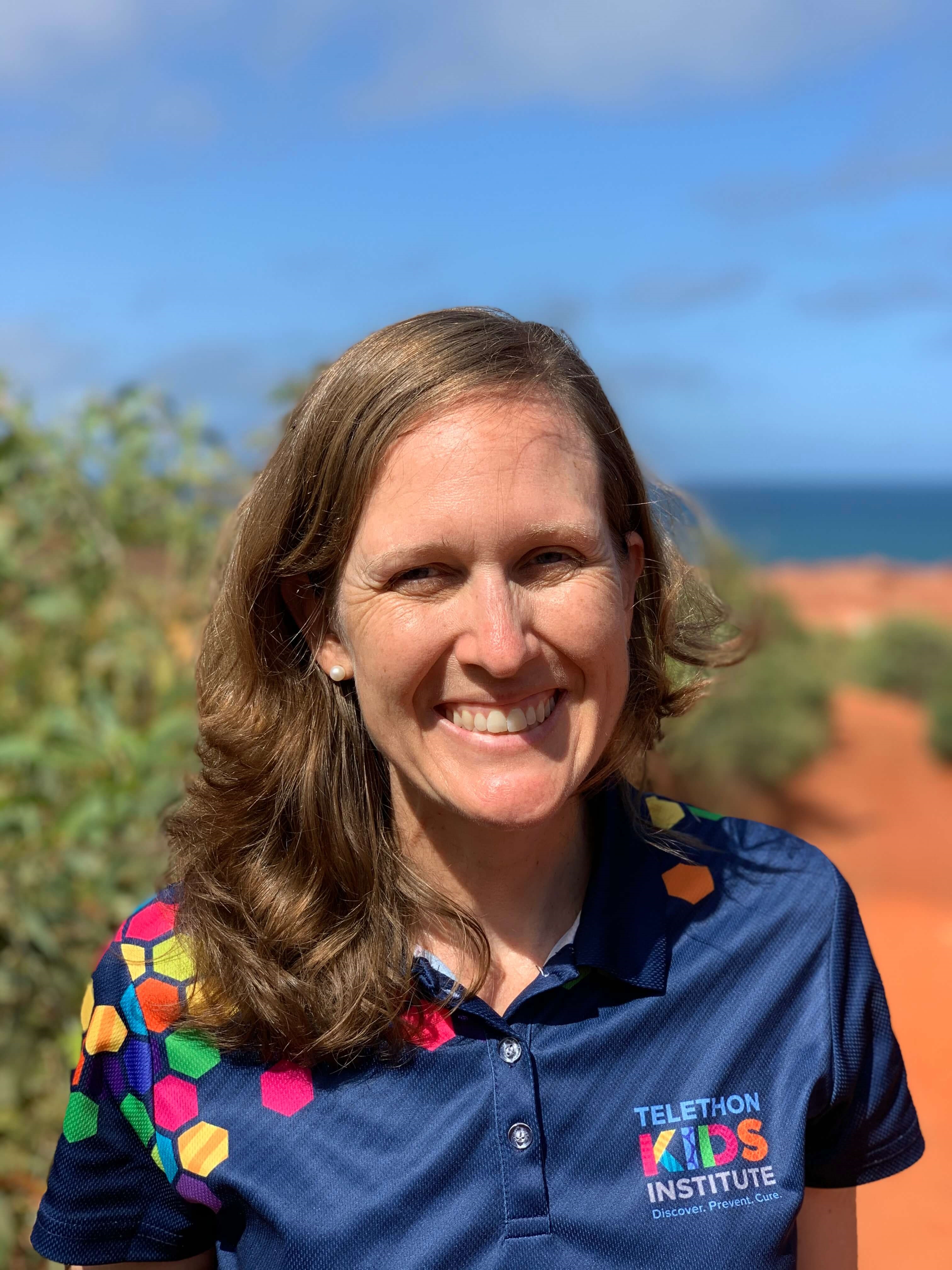
Paediatric infectious disease expert and clinician-scientist Associate Professor Asha Bowen has been named as the Emerging Leader in Science at the country’s most prestigious science awards – the Australian Museum Eureka Prizes.
The Kids Research Institute Australia researchers have launched the Hip Hop 2 SToP video featuring school kids participating in their SToP Trial project designed to see, treat and prevent skin infections in WA’s Kimberley region.