
Search
Showing results for "mental health aboriginal"
A new report has been released into the impact of genomic medicine and technologies on global public health.

Twins born as a result of assisted reproductive technology (ART) such as IVF are more likely to be admitted to neonatal intensive care
This project aims to explore how Australian children spend their time over an extended and important period of their lives (from birth to 16/17 years old) and how such time allocation contributes to their development outcomes.

Research Assistant

Senior Research Officer
Postvention is a core component of suicide prevention strategies, internationally. However, the types of supports provided to people impacted by suicide vary widely. This study examines the perceived effectiveness of the Primary Care Navigator (PCN) model for people bereaved by suicide. The PCN model was implemented in response to a suicide cluster.
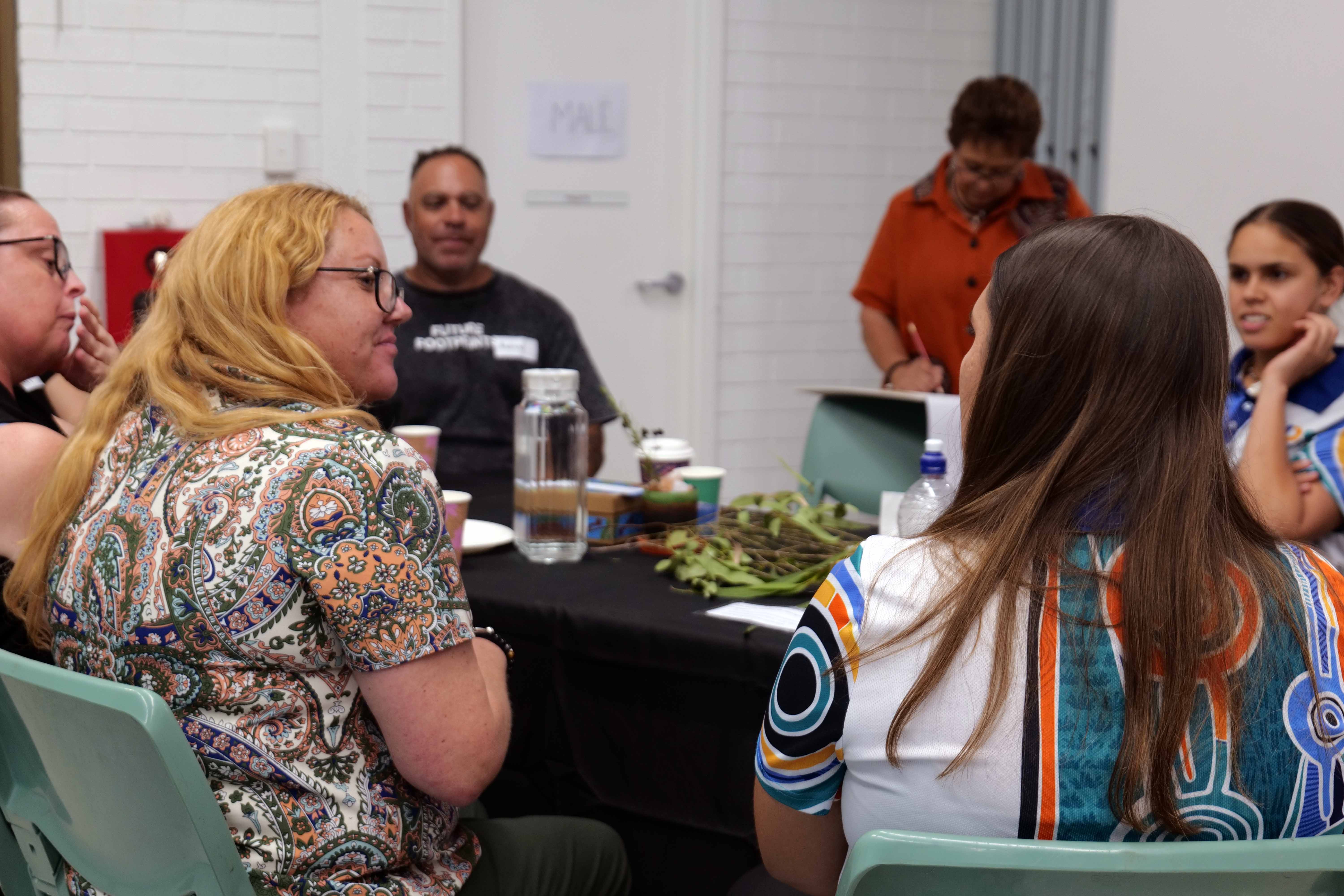
Embrace researchers have begun development of a parenting program that is specific to the needs of Aboriginal and Torres Strait Islander people.
Overlap between non-suicidal self-harm and suicidal ideation and behavior in young people with both symptom continuity and symptom duration implicated in this association
A minority of 4- to 17-year-olds with ADHD and major depressive disorder were being treated with stimulant or antidepressant medication
Remote-living Aboriginal children in Australia contend with higher rates of skin infections than non-Indigenous children. This work was embedded within a stepped-wedge, cluster randomised controlled trial aiming to halve the rate of skin infections in remote Kimberley communities. It outlines and reflects upon the co-development of a health promotion resource in partnership with the East Kimberley community of Warmun, whilst understanding community perceptions of its impact.