
Search
Showing results for "preterm birth lungs"
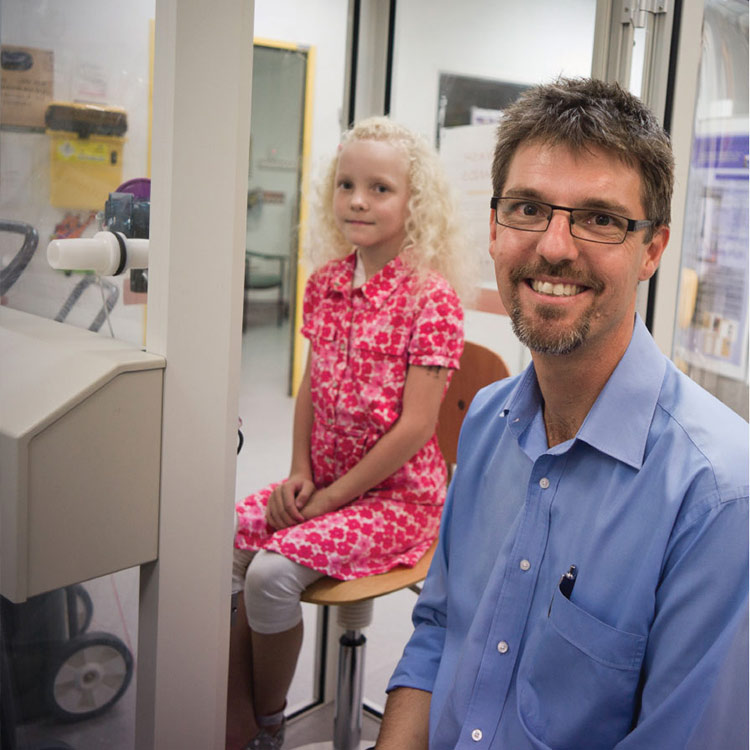
Life expectancy was in the 20s for children born with cystic fibrosis 30 years ago, today it is in the 30s. Professor Graham Hall is leading this research.
This study aims to investigate a new vaccine which has been developed to protect children from RSV.

Oxidative cross-linking of calprotectin occurs in vivo, altering its structure and susceptibility to proteolysis Abstract Calprotectin, the major

At 6 weeks old David was diagnosed as having cystic fibrosis. His parents say that his involvement in research offers them their greatest hope for his future.
Culturally safe healthcare approaches are important to improve outcomes of Indigenous people. Non-Indigenous clinicians are often ill-prepared to provide such healthcare. The NHMRC Centre for Research Excellence (CRE) especially for First Nations Children has been studying for several years how to improve clinical care for Indigenous children with respiratory disease in hospital, clinic, urban, rural and remote settings.
The Wal-yan Respiratory Research Centre is a global epicentre for paediatric respiratory research, informing clinical practice and driving a new research agenda for childhood lung health.
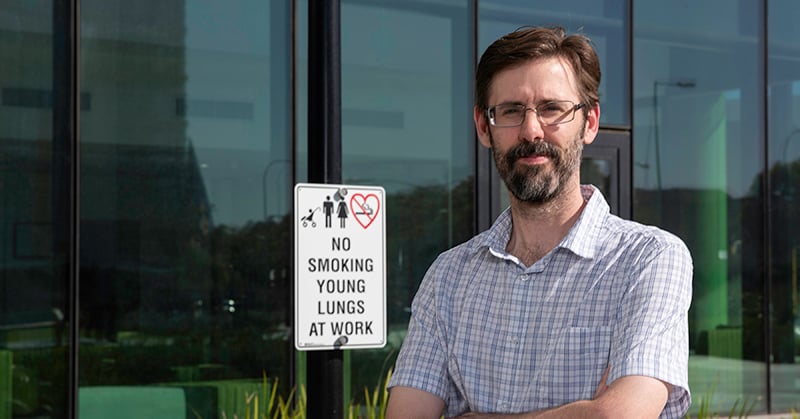
The lungs represent a key interface between the body and the environment.
Survival statistics, estimated using data from national cystic fibrosis (CF) registries, inform the CF community and monitor disease progression. This study aimed to estimate survival among people with CF in Australia and to identify factors associated with survival.
Bronchiectasis, particularly in children, is an increasingly recognised yet neglected chronic lung disorder affecting individuals in both low-to-middle and high-income countries. It has a high disease burden and there is substantial inequity within and between settings. Furthermore, compared with other chronic lung diseases, considerably fewer resources are available for children with bronchiectasis.
Bronchiectasis is a worldwide chronic lung disorder where exacerbations are common. It affects people of all ages, but especially Indigenous populations in high-income nations. Despite being a major contributor to chronic lung disease, there are no licensed therapies for bronchiectasis and there remain relatively few randomised controlled trials (RCTs) conducted in children and adults.