
Search
Showing results for "mental health aboriginal"

Eight The Kids Research Institute Australia-led projects will benefit from a Western Australian Government boost to health research for the State’s children and young people.

We asked our podcast guest Hayley to recount her experiences navigating the healthcare system for Fibroid Awareness Month.
National policies are essential for countries to adapt to the negative health impacts of climate change. Children are disproportionately affected by these impacts and must be at the heart of adaptation policies to address their vulnerabilities. Adaptation commitments worldwide are integrated into national adaptation plans, nationally determined contributions, national communications, and other multisectoral policies. We aimed to evaluate how effectively national climate change policies worldwide plan to protect child health, considering a range of determinants for successful child-health adaptation.
Children are disproportionately affected by the negative health effects of climate change. We did a systematic review to synthesise the available evidence on tested interventions to improve child health in response to the impacts of climate change.
Preterm birth is increasingly recognised as adversely influencing lifelong lung function. This Series paper on prematurity-associated lung disease reviews studies reporting longitudinal lung function measurements in individuals who were born preterm. Evidence suggests that preterm birth alters lung function trajectories from early life onwards, with implications for future respiratory morbidity. We propose that this population needs rigorous follow up that should include systematic monitoring of lung function across the lifespan, starting in childhood.
Neutrophils are key cells of the innate immune system. It is now understood that this leukocyte population is diverse in both the basal composition and functional plasticity. Underlying this plasticity is a post-translational framework for rapidly achieving early activation states, but also a transcriptional capacity that is becoming increasingly recognized by immunologists.
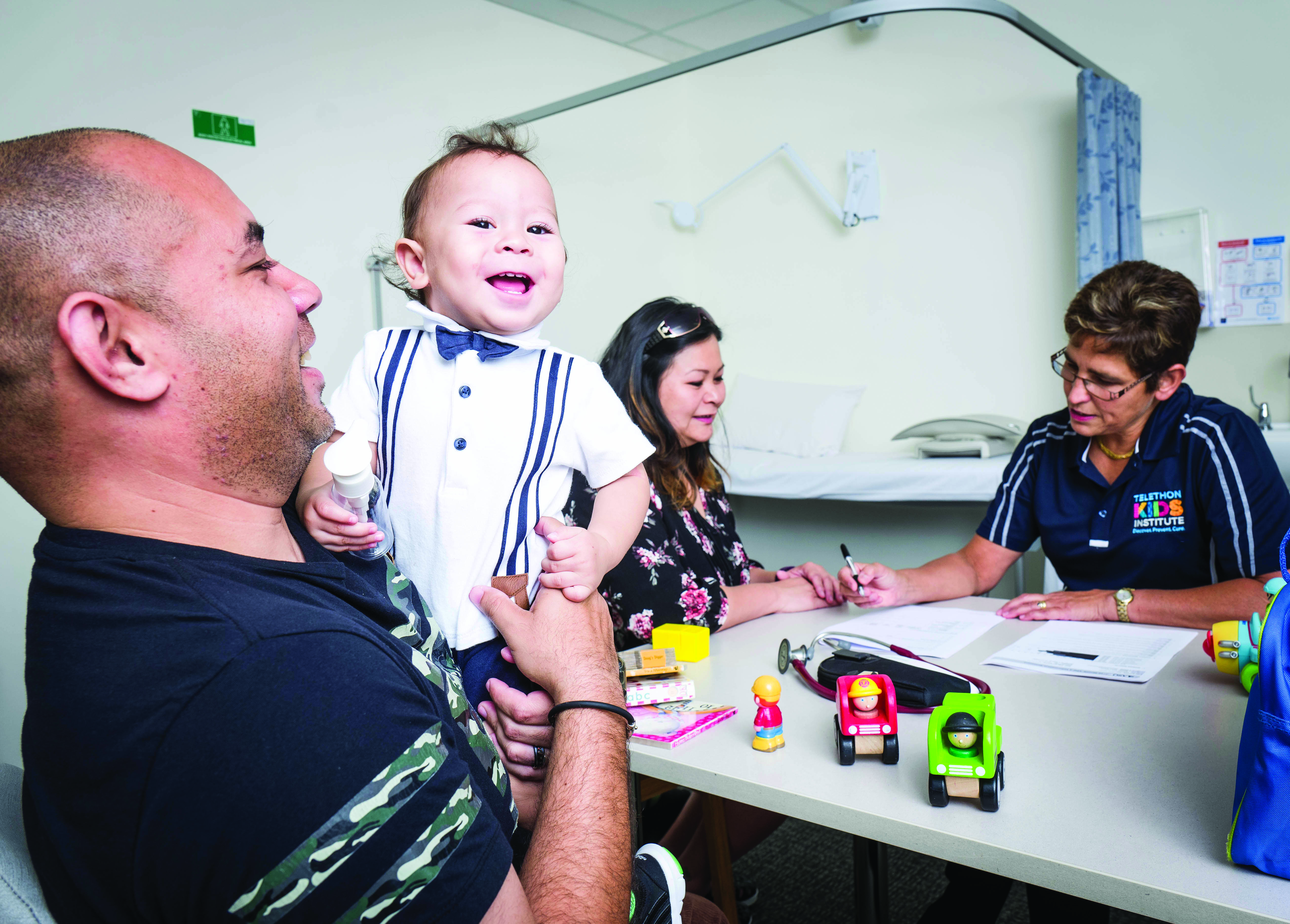
ORIGINS named in multi-million investment towards child health

A possible link between a rise in conditions such as obesity and attention deficit disorder and the use of computers and smartphones is the focus of a new ORIGINS Project sub-study into the effects of technology on children’s development.
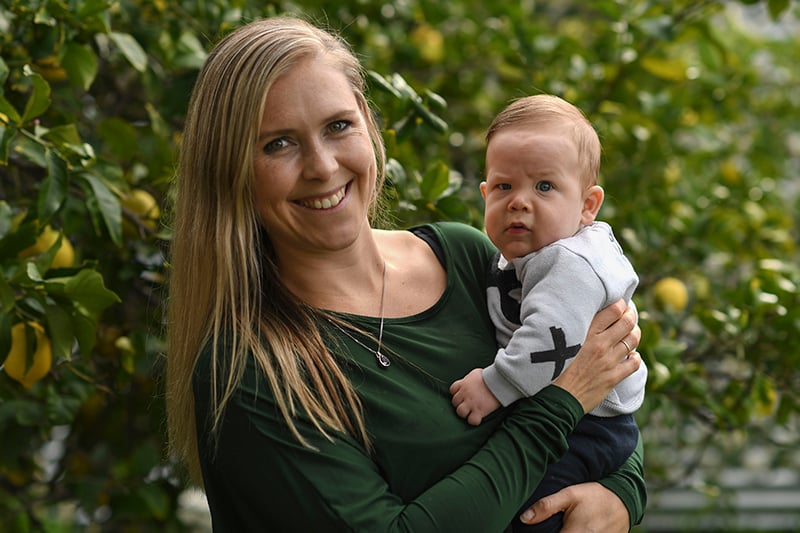
With up to one in four Australian children now affected by allergic diseases, the potential for the ORIGINS SYMBA Study to positively impact future lives is immense.
While the majority of young people who meet the criteria for being considered at increased risk of psychosis do not go on to develop a psychotic disorder, young people are currently being identified and treated in early intervention services.