Skip to content

Search

Showing results for "Neuromuscular disorders "

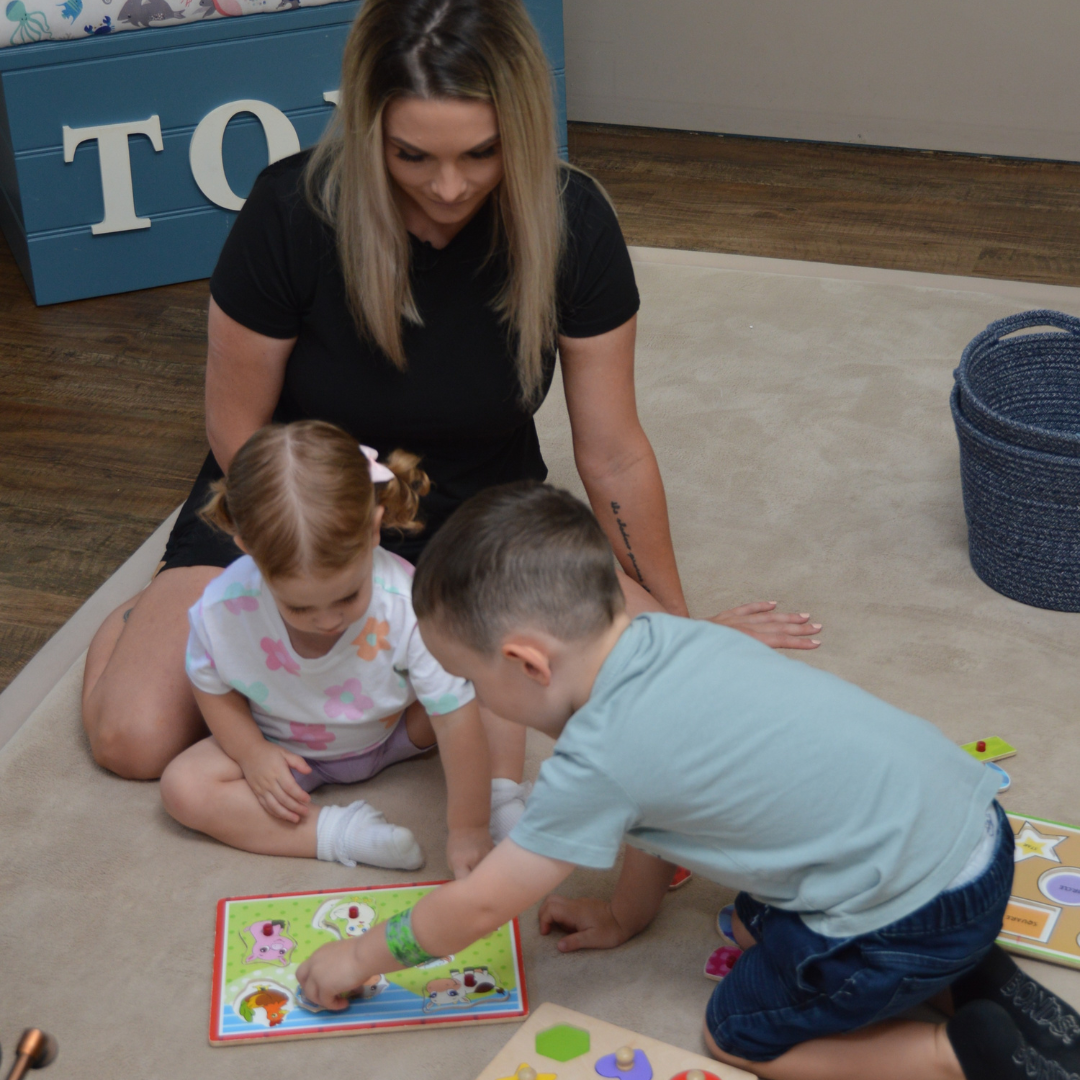
Sharing attention for connection, communication and learning

In this new blog, Speech Pathologist Emma Corry looks at the importance of shared attention for connection, communication and learning.

Understanding anxiety around uncertainty

In this blog, research project co-ordinator Rebecca Kuzminski discusses anxiety related to uncertainty, why this is a particular challenge for many autistic children, and new research CliniKids is conducting to help parents support their child with managing uncertainty-related anxiety.

Kids Rehab Research WA

Kids Rehab WA is an integrated team of clinicians and researchers who deliver and research therapies for children with acquired or congenital neurological impairments, leading to improved outcomes for children and their families.

CONNECT-CP (A Clinical Research Program to Improve Connection, Access and Translation of Evidence in Cerebral Palsy)

CONNECT-CP aims to diagnose cerebral palsy (CP) earlier and ensure all children in Western Australia (WA) have access to early assessment and support.

The Youth Safe Haven Café Project

The Youth Safe Haven Project will co-design a youth-specific Safe Haven Café within the Peel Health Hub to serve as an alternative to the emergency department for young people at risk of suicide.

Neurodiversity

Neurodiversity refers to the different ways that people experience and interact with the world around them. Each person’s brain works differently, meaning no two brains are the same.

Neuroaffirming language

The language we use shifts over time and the words we use are important. At CliniKids, we are committed to using language that is neuroaffirming and preferred by the autistic community.

Food Allergy

Food allergies have become more common in our community, with up to one in ten young children now affected. Reactions can range from mild hives to life threatening anaphylaxis and breathing difficulties. The most common food allergies are to egg, peanut, tree nuts, cow’s milk, fish, shellfish, sesame, wheat and soy.

Autism and intellectual disability are differentially related to sociodemographic background at birth

We used population data on Western Australian singletons born from 1984 to 1999 (n = 398,353) to examine the sociodemographic characteristics of children...

Cohort profile: The WAACHS Linked Data Study

Despite the volume of accumulating knowledge from prospective Aboriginal cohort studies, longitudinal data describing developmental trajectories in health and well-being is limited.