
Search
Showing results for "preterm birth lungs"
This study analysed spatial and historical variation in childhood incidence of type 1 diabetes mellitus (T1DM) among Western Australia's 36 Health Districts...
The objective was to investigate the association between heavy prenatal alcohol exposure and stillbirth.
This study was unable to demonstrate efficacy of 23vPPV in pregnancy against the co-primary outcomes of either all-cause infant ear disease.

A huge congratulations to The Kids Research Institute Australia founding researcher, Emeritus Professor Carol Bower, who has been recognised in the King’s Birthday Honours for her profound impact on child and public health over a 40-year career.
We're committed to involving consumers and the community in all aspects of our research.

Discover the latest community involvement opportunities from across the Institute.
Bronchiolitis is a respiratory infection, usually occurring in babies under six months of age. It causes them to wheeze and can lead to pneumonia. Researchers are focusing on vaccines against the virus which commonly causes it.
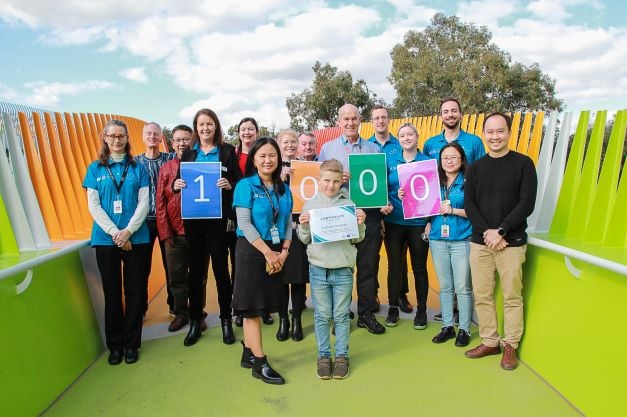
The MAVRIC (Mechanisms of Acute Viral Respiratory Infection in Children) study recently celebrated the recruitment of the 1000th participant to the study, eight-year-old Sullivan Strahan.

Two outstanding researchers from the Wal-yan Respiratory Research Centre have been awarded a 2022 Innovation Fellowship supported by the WA Government's Future Health Research and Innovation (FHRI) Fund.

Two years on, Michelle and Dartanyon’s health and quality of life have significantly improved. We caught up with Michelle to hear about their journey since we first met them.