
Search
Showing results for "Childhood interstitial lung disease "
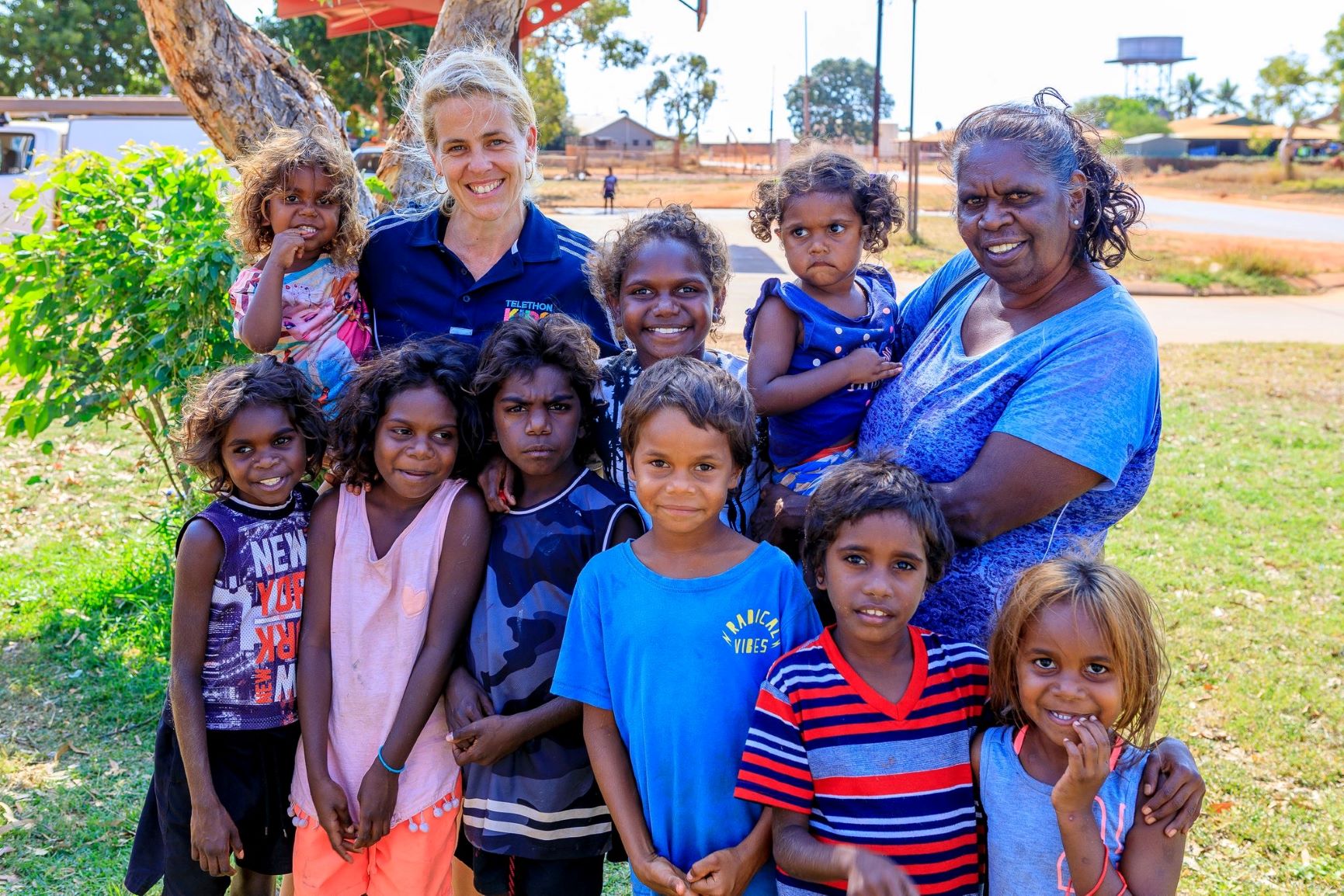
Respiratory illness accounts for 12% of the age-standardised gap in mortality between Indigenous and non-Indigenous Australians.
Alexander Anthony Dr Katherine Larcombe Kicic Landwehr BScEnv (Hons) PhD BSc (Hons) PhD BSc(Hons) Honorary Research Fellow Head, Airway Epithelial
Bacteriophages (phages) are viruses that selectively kill bacteria and offer a promising option to address the growing global pandemic of antimicrobial-resistant infections. However, phage therapy does not easily align with traditional regulatory pathways designed for fixed-composition chemical drugs or biologics with fixed non-evolving compositions.
The status and associated factors of the health-related quality of life of non-small-cell lung cancer patients under targeted anti-cancer therapy have not been investigated. Self-management and coping style have been proven to be closely related to patients’ health-related quality of life.
Our goal was to explore and compare risk factors, patterns of management and survival outcomes in Indigenous compared with non-Indigenous Australian patients using the Victorian Lung Cancer Registry.
We tested if disrupting iron utilisation by P. aeruginosa by adding the Tris-buffered chelating agent CaEDTA to nebulised tobramycin would enhance bacterial clearance and improve lung function in CF patients.
The importance of lung recruitment before surfactant administration has been shown in animal studies. Well designed trials in preterm infants are absent. We aimed to examine whether the application of a recruitment manoeuvre just before surfactant administration, followed by rapid extubation (intubate-recruit-surfactant-extubate [IN-REC-SUR-E]), decreased the need for mechanical ventilation during the first 72 h of life compared with no recruitment manoeuvre (ie, intubate-surfactant-extubate [IN-SUR-E]).
Britta Regli-von Ungern-Sternberg AM FAHMS MD, PhD, DEAA, FANZA Chair of Paediatric anaesthesia, University of Western Australia; Consultant
Neuromuscular disorders can lead to nocturnal hypoventilation. Accurate diagnosis of hypoventilation is imperative to guide treatment decisions. This study determined interobserver agreement for a number of definitions of nocturnal hypoventilation in children and adolescents with neuromuscular disorders.
Lung transcriptomics studies in asthma have provided valuable information in the whole lung context, however, deciphering the individual contributions of the airway and parenchyma in disease pathogenesis may expedite the development of novel targeted treatment strategies. In this study, we performed transcriptomics on the airway and parenchyma using a house dust mite (HDM)-induced model of experimental asthma that replicates key features of the human disease.