
Search
Showing results for "autism"
Dietary intake during the first year of life is a key determinant of a child's growth and development. ORIGINS is a longitudinal birth cohort study investigating factors that contribute to a 'healthy start to life' and the prevention of non-communicable diseases.
A world-first program for babies with delays in their social and communication skills has been launched in Western Australia, thanks to support from the National Disability Insurance Agency (NDIA).
The Early Neurodevelopment and Mental Health team is focused on preventing childhood mental illness and optimising children’s development and wellbeing in the first years of their life. We are interested in understanding and identifying the factors that contribute to difficulties in mental health and development, as well as developing cost-effective prevention and early intervention approaches for addressing developmental needs and promoting resilience.
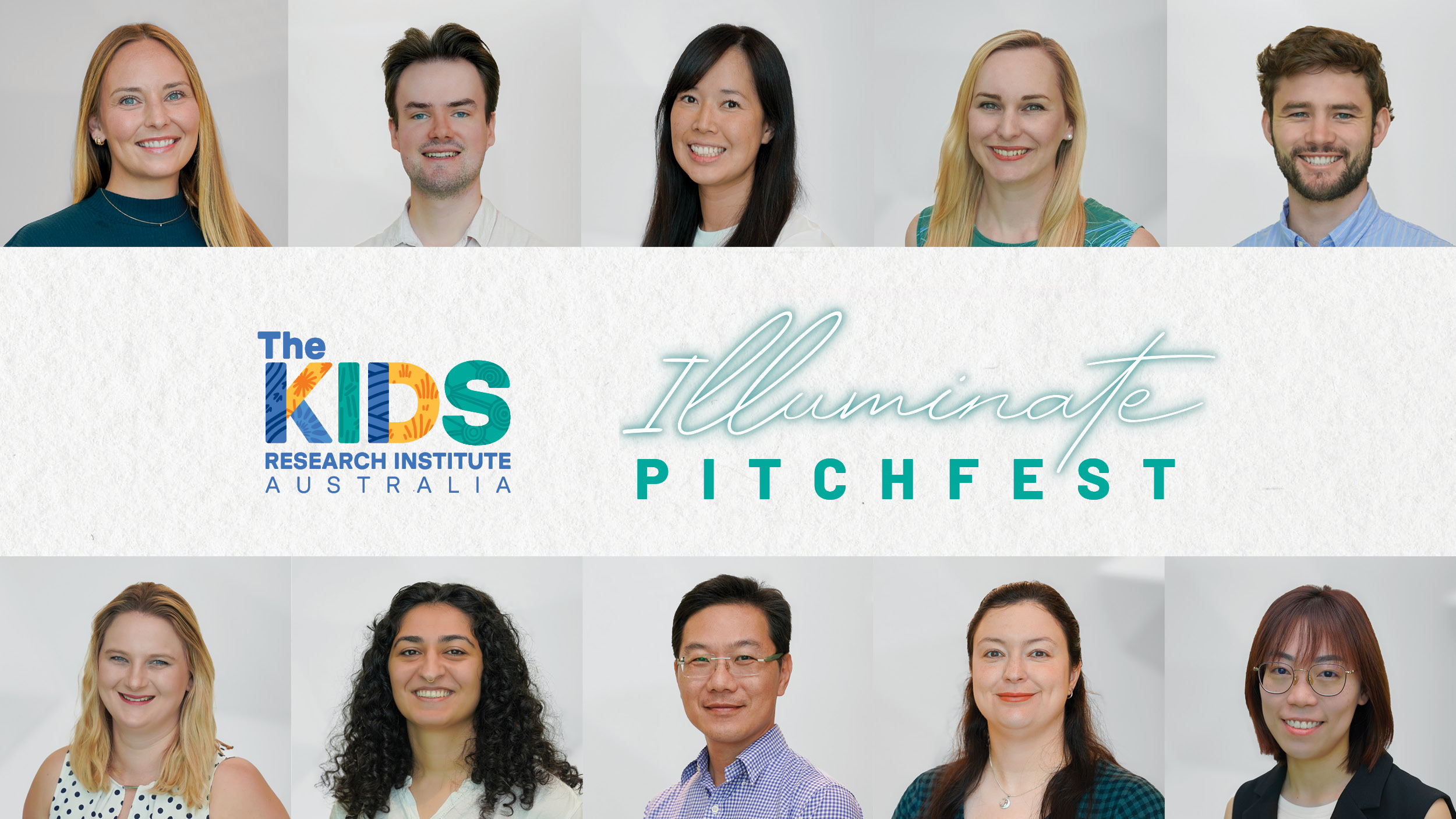
We are excited to introduce ten trailblazing researchers who will be taking to the stage this February to pitch their bold and innovative ideas to our philanthropic community.
One of the many reasons for setting up the International CDKL5 Disorder Database was to learn more about this condition.
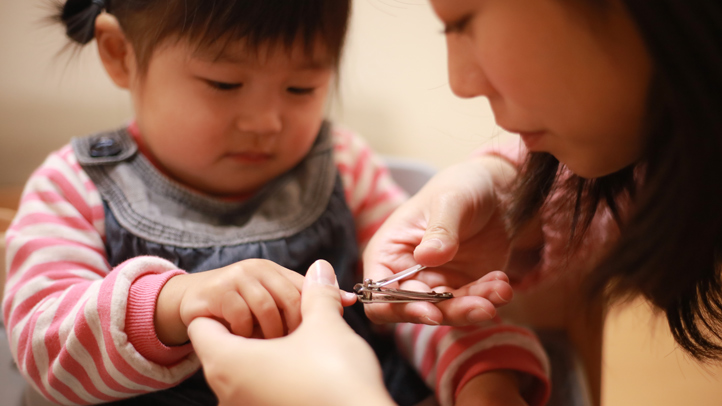
In this blog, Curtin University Occupational Therapy student Julia Than discusses how to make nail care an important part of a child's self-care routine.

In this blog, Speech Pathology Clinical Lead Aria May discusses serve and return interactions to promote connection and communication with your child.
This study aims to understand the experience and impact of the initial COVID-19 lock-down in young families with children aged below 4 years. Free text questions were administered to participants in the ORIGINS (Australia) and Born in Bradford (UK) cohort studies to collect qualitative information on worries, concerns and enjoyable experiences during the pandemic.
We conducted an open randomized controlled trial in Papua New Guinea to compare safety, immunogenicity and priming for memory of 7-valent PCV (PCV7) given in...
Human rhinovirus (HRV) species C (HRV-C) have been associated with frequent and severe acute lower respiratory infections and asthma in hospitalized children.