
Search
Showing results for "aboriginal respiratory"
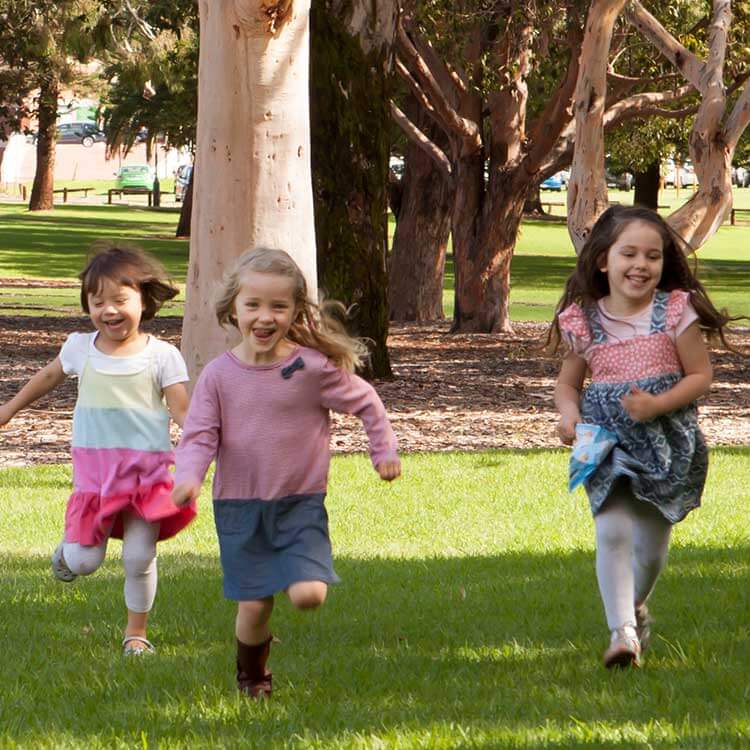
The Respiratory Environmental Health team conducts research in early life determinants of lung growth and development, respiratory environmental health, and mechanisms of airway dysfunction in asthma and other respiratory disease.
RSV Update
The significance of both indoor and outdoor sources of air pollution and effect modifiers such as green space and heating require further investigation
A double-blind, placebo-controlled clinical trial was conducted investigating the use of low-dose oral interferon alpha for preventing acute viral...
There is a lack of data on the out-of-hospital burden of acute lower respiratory infections (ALRI) in developed countries.
Our results lend support to a vaccination strategy which includes family members in order to provide maximum protection for newborn babies.
Detection of pneumonia-causing respiratory viruses in the nasopharynx of asymptomatic children has made their actual contribution to pneumonia unclear. We compared nasopharyngeal viral density between children with and without pneumonia to understand if viral density could be used to diagnose pneumonia.

A hub of resources to support cultural safety for Aboriginal and Torres Strait Islander young people, families, and communities.
Find out more about our research into Aboriginal social and emotional wellbeing
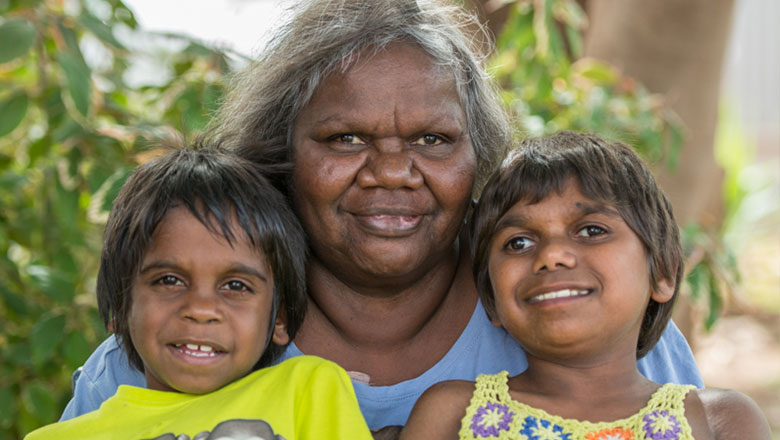
Following our highly successful Open Space Forums in 2014, The Kids warmly invites you to our next forum on Aboriginal Health.