
Search
Showing results for "mental health aboriginal"
The Opportunity This position provides the opportunity to work with Aboriginal Families in the south metropolitan area as part of a committed
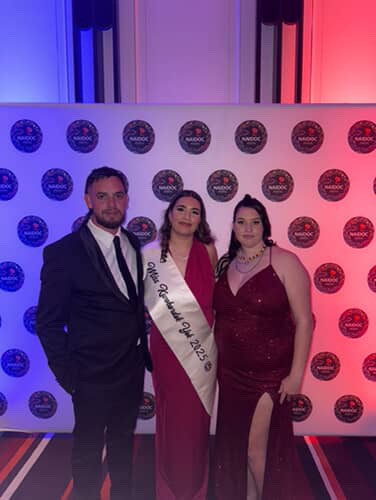
Aboriginal researchers from The Kids Research Institute Australia have been recognised for their contributions to their communities at multiple awards ceremonies over the weekend.
Maternal mental health problems are common during the perinatal period and have been associated with several negative outcomes in children. However, few studies have examined the associations between maternal mental health problems and offspring outcomes among Indigenous people, and the findings across these studies have been inconsistent. This scoping review examined the birth and childhood (≤12 years) health and development outcomes of the children of Indigenous women with mental health problems.
Melissa O'Donnell BPsych (Hons), MPsych, GradDip Ed, PhD Honorary Research Associate Honorary Research Associate Areas of research expertise: Child
A new study has found that swimming pools in remote Aboriginal communities can dramatically reduce rates of skin, ear and chest infections
Seeking two highly motivated and talented post-doctoral researchers to develop and lead a program of research
An exciting opportunity to work in the Children's Lung Health research team to improve lung health in Aboriginal children and their families
Pete Azzopardi PhD, FRACP, MEpi, MBBS, GDipBiostats, BMedSci Head, Adolescent Health and Wellbeing Head, Adolescent Health and Wellbeing Professor
The aim of this pilot study is to test if the CCTM approach is more effective than business as usual methods at supporting mental health consumers to reduce their tobacco dependence or quit smoking altogether.
This study aimed to estimate the prevalence of mental health problems and identify potential risk and protective exposures for adolescents in Indonesia. An innovative sampling approach was applied to simultaneously recruit school- and community-based adolescents aged 16-18 years old from Jakarta (urban megacity) and South Sulawesi (remote province).