
Search
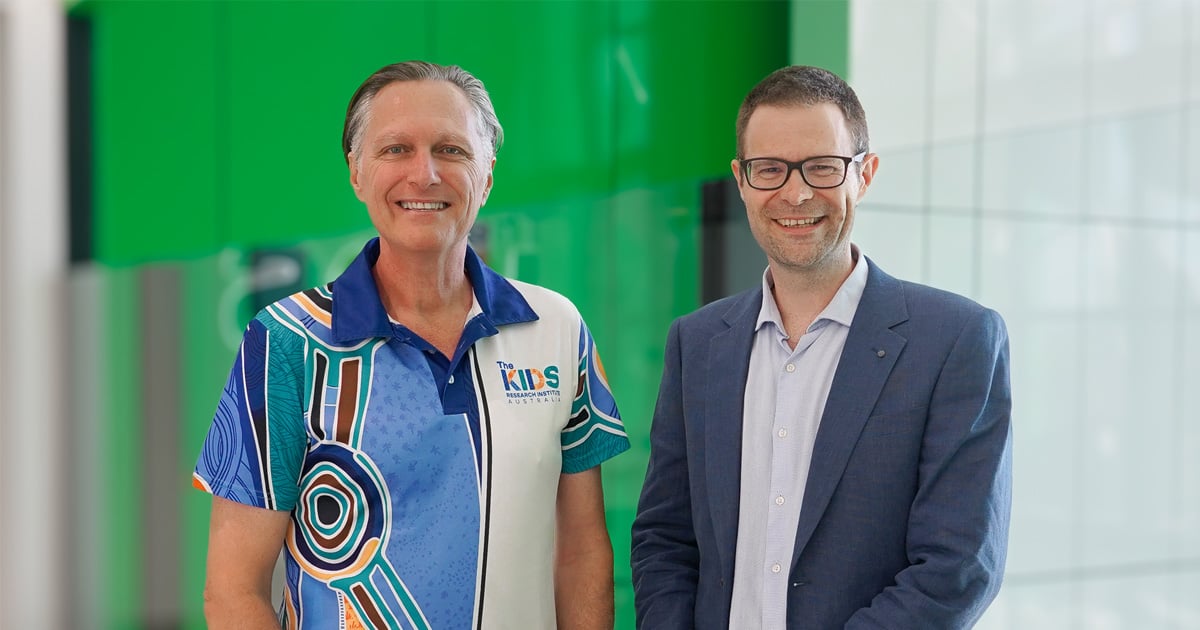
Professor Andrew Whitehouse, the Angela Wright Bennett Professor of Autism Research and CliniKids Director, has been appointed Deputy Director (Research) at The Kids Research Institute Australia.
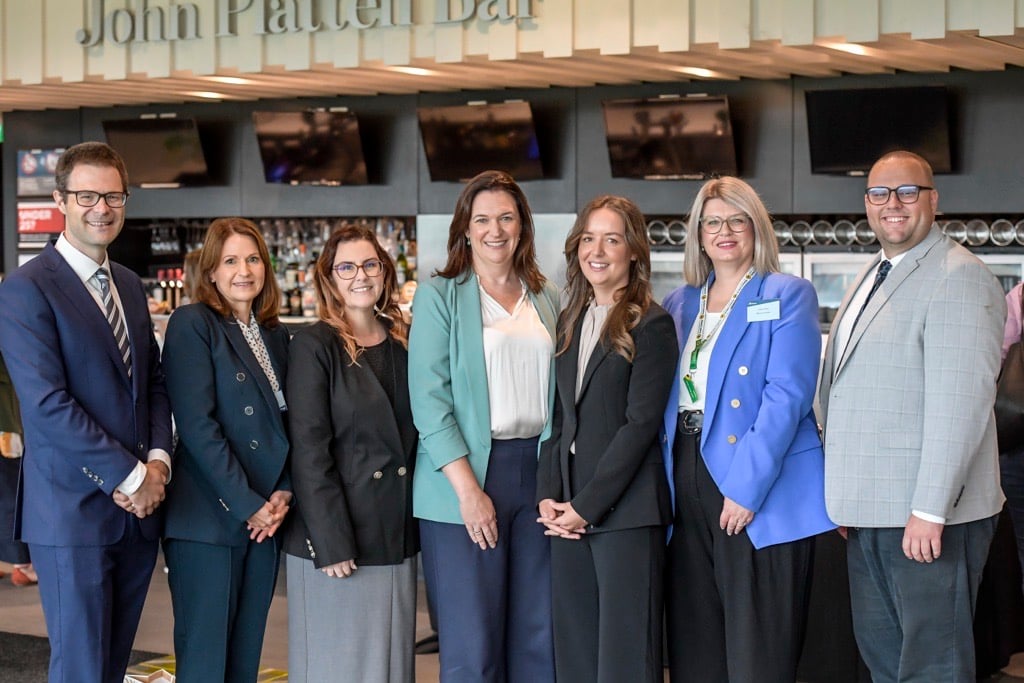
South Australian families with babies showing early social and communication differences will be among the first to benefit from a nation-leading early support program, as The Kids Research Institute Australia’s Inklings Program officially launches in South Australia.
A comparison of parents’ experiences of getting a diagnosis for their child with autism, attention deficit hyperactivity disorder (ADHD) and both diagnoses can inform our understanding of common and unique themes across these neurodevelopmental conditions.
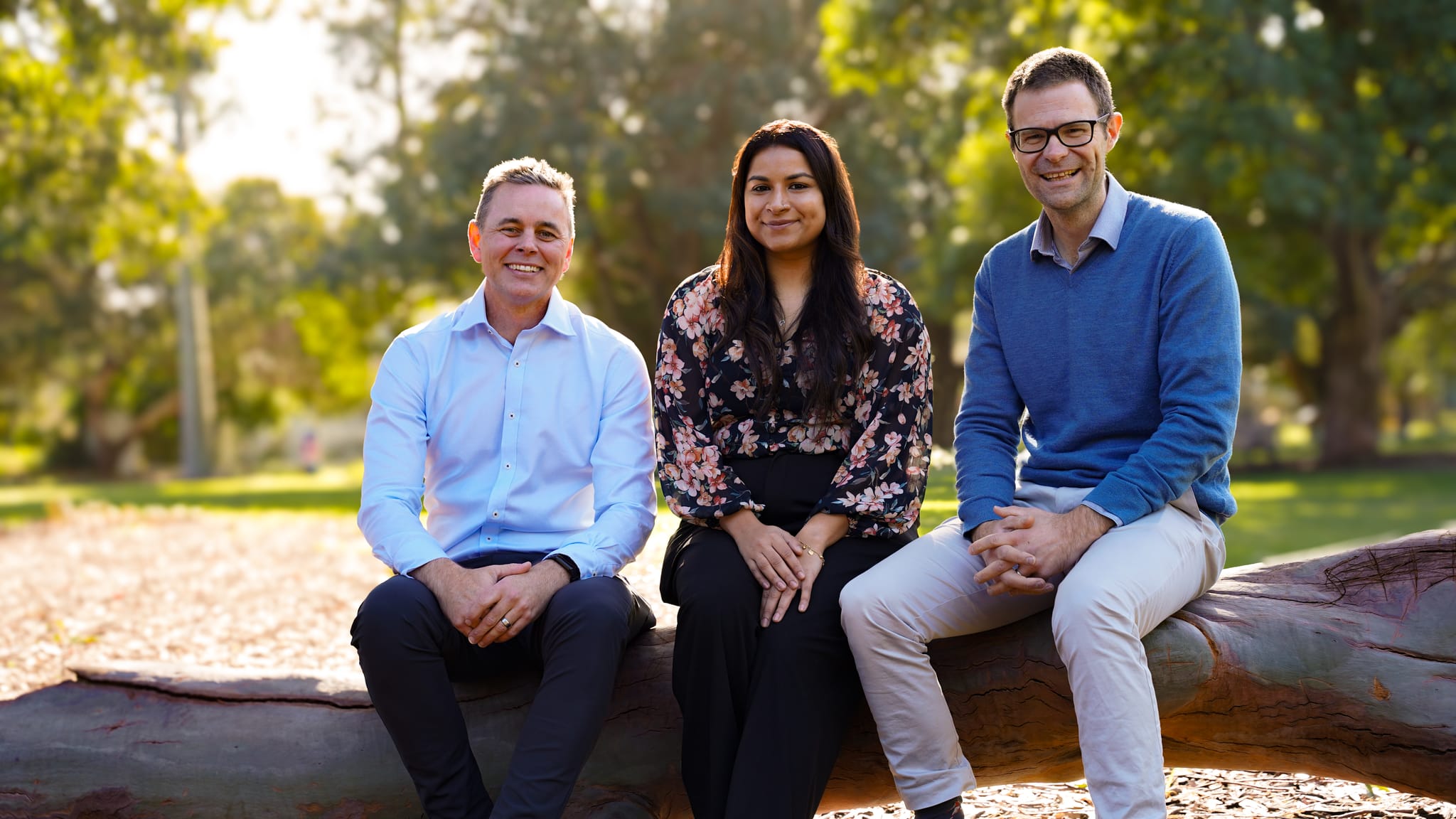
Our team of world-class researchers and exceptional clinicians work in collaboration to provide children access to the very best evidence-based therapies and programs.
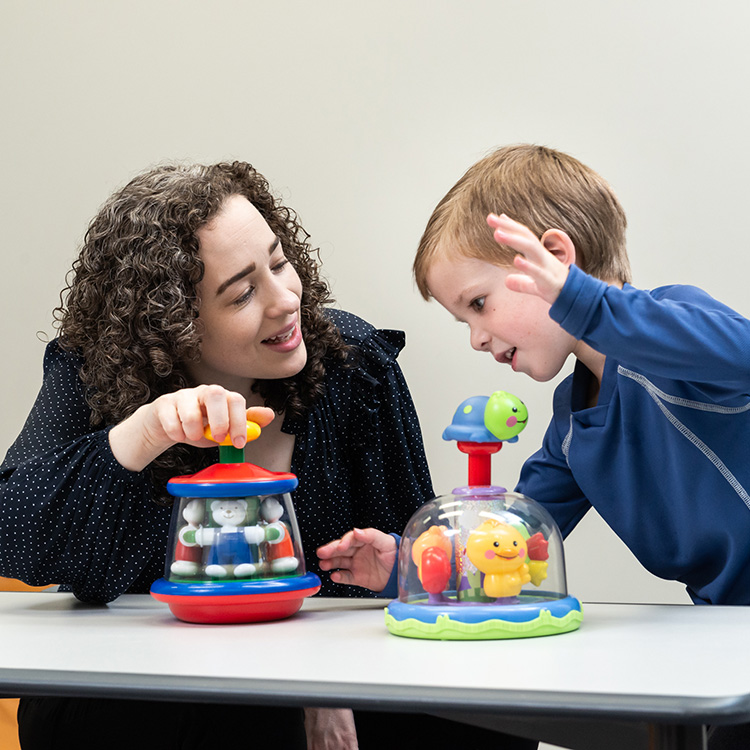
CliniKids is a not-for-profit centre integrating world-class research with a clinical service for children with developmental delay and/or autism, and their families. It is the first of its kind for autism in Australia.
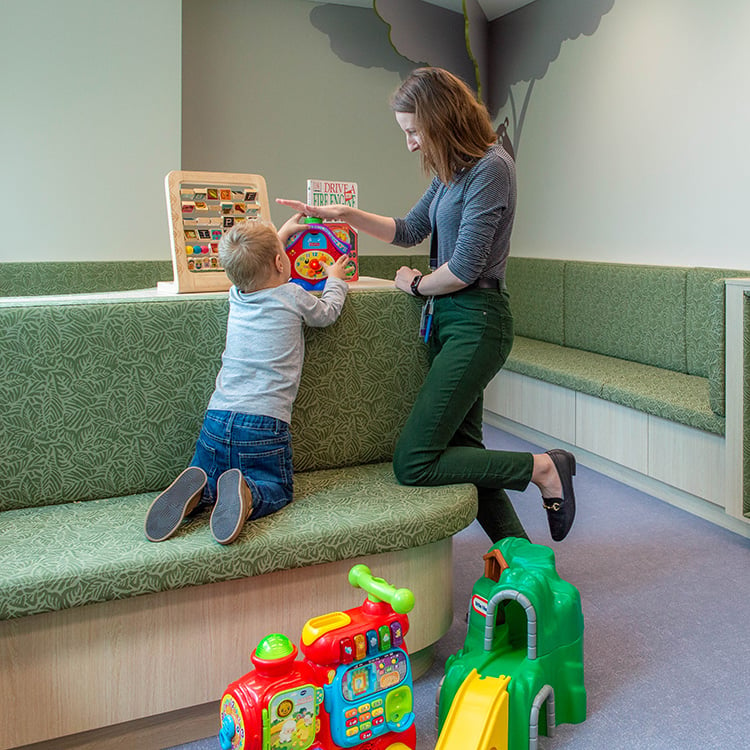
CliniKids provides therapy support and individualised programs to help children and families to reach their full potential.
CliniKids is putting the ‘evidence’ in evidence-based practice by providing families access to the best scientific-backed therapies as quickly as possible so that all autistic children have the chance to reach their full potential.
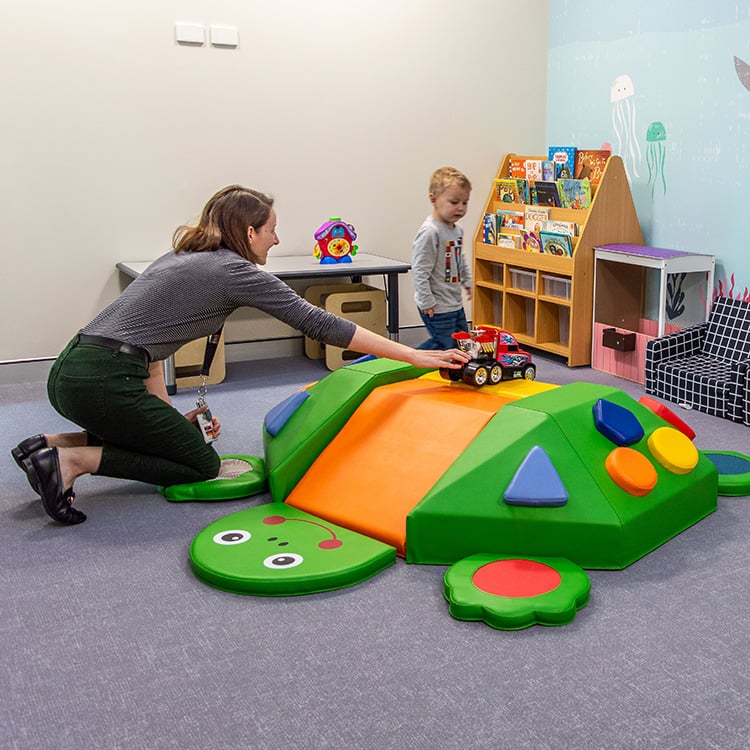
Find out how to access services at CliniKids.
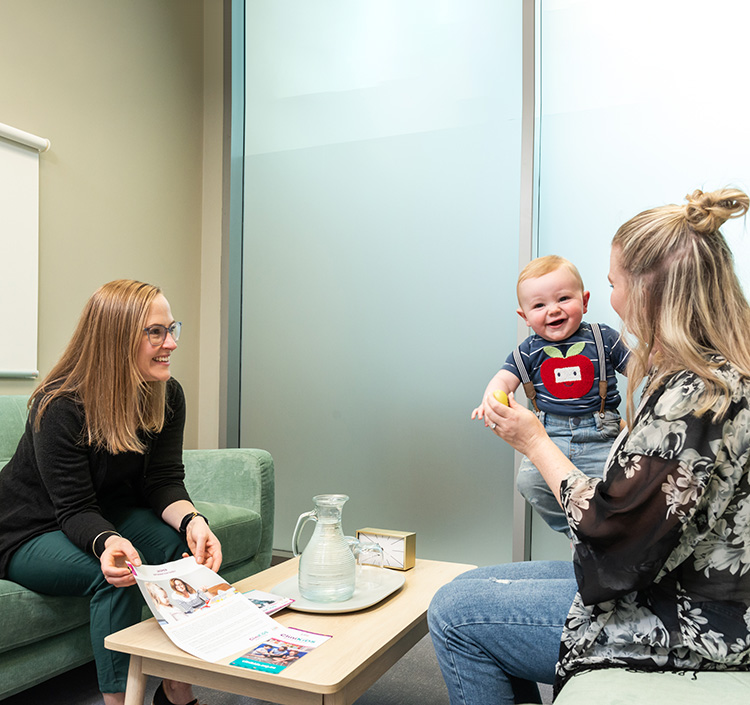
Here you'll find a wealth of information and resources to help support your child.

For World Autism Acceptance Day, we asked our clients, their families and the community to tell us what they would like people to know about autism. Senior Speech Pathologist Sally Grauaug compiled their ideas and feedback into this blog.