
How Influenza outbreaks during mass gatherings have been rarely described, and detailed virologic assessment is lacking.
Emerging evidence suggests young children are at greater risk of COVID-19 infection than initially predicted. However, a comprehensive understanding…

be more severe in situations of pre-existing respiratory disease. Importantly, data suggest that the type ... 2019 (COVID 2019) is caused by the seve…
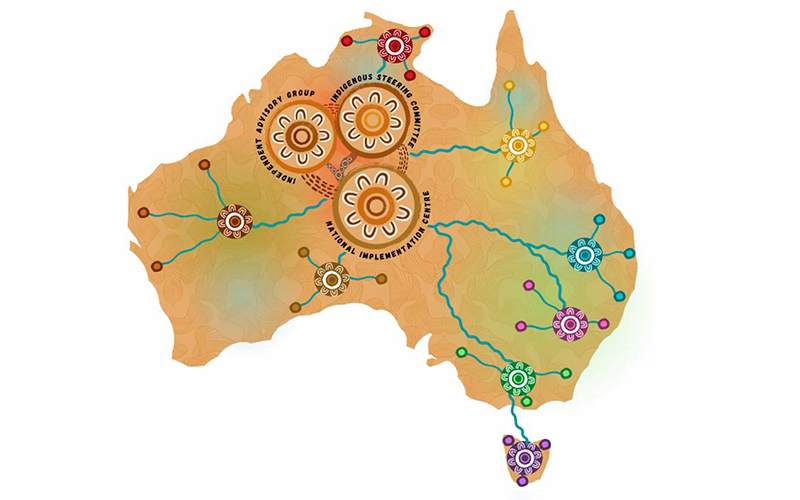
transformational national research network grounded in Aboriginal and Torres Strait Islander knowledge and wisdom ... Environments and Lives (HEAL) N…

Thomas Betts is a semi-finalist in the National Indigenous Times Indigenous Community Leadership Award.
Helen Milroy AM has highlighted the need for Aboriginal and Torres Strait Islander leadership in driving ... transformation. The report emphasised th…
al-affairs.pdf">Office for Accountability in Aboriginal Affairs in WA Submission WA Government Aboriginal Empowerment Strategy Submission
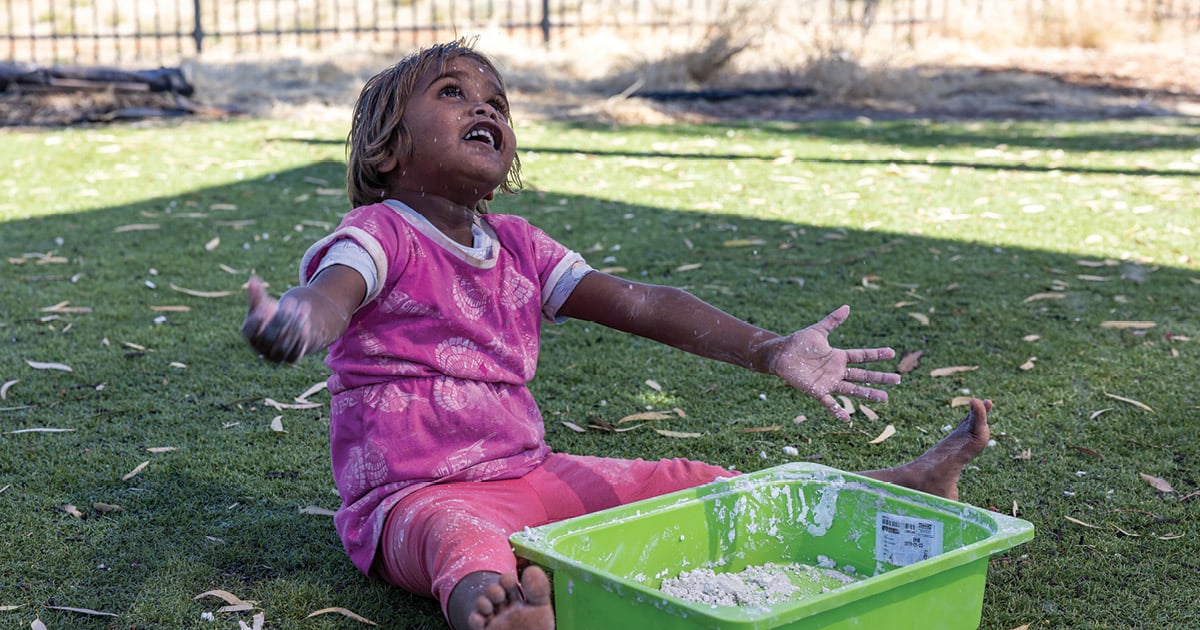
based improvements to the health and wellbeing of Aboriginal families in Perth and Western Australia’s ... information. That has been the challenge f…
RHD for Aboriginal and Torres Strait Islander Australians down to the same level as non-Aboriginal Australians ... the gap’ and end the disparity for…
Discover the impact of our achievements in the "real world".