Search
Showing results for "autism"
In this blog, Occupational Therapy Lead Marie Rodatz looks at the strategies to support a great school holiday outing for your autistic child.
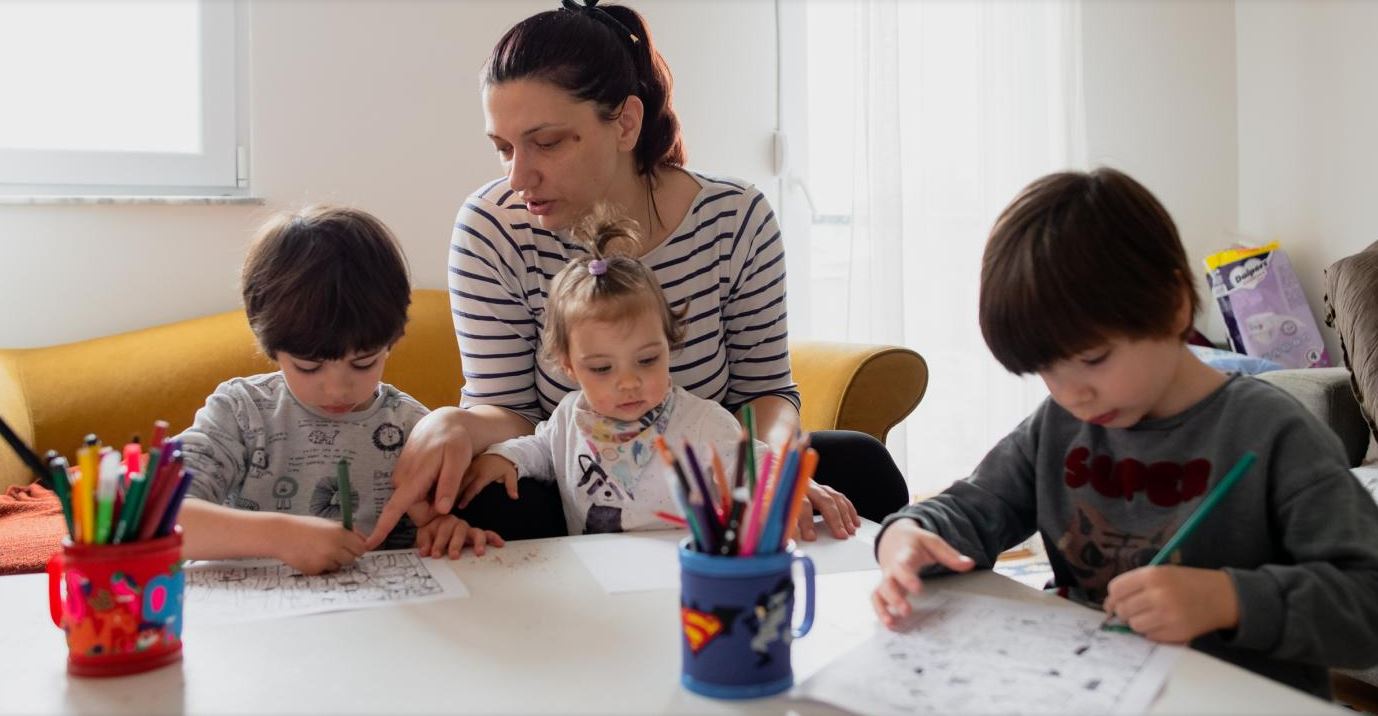
In this new blog, Occupational Therapist and Clinical Lead (OT) Marie Rodatz offers families advice on how to cope with home isolation with a child on the autism spectrum.
Mental health concerns present significant challenges for Australian youth. Arts organizations play a key role in promoting preventative mental health strate-gies through enhancing the social and emotional well-being (SEWB) of youth. However, little is known about how the arts promote SEWB and the processes and contexts through which this occurs.
Optic pathway gliomas (OPGs) are associated with significant risk of visual and endocrine morbidity, but data on long-term outcomes in symptomatic patients is sparse. This study reviews the clinical course, disease progression, survival outcomes and long-term sequelae in pediatric patients with symptomatic OPGs in our institution over three decades.
As families increase their use of mobile touch screen devices (smartphones and tablet computers), there is potential for this use to influence parent-child interactions required to form a secure attachment during infancy, and thus future child developmental outcomes. Thirty families of infants (aged 9-15 months) were interviewed to explore how parents and infants use these devices, and how device use influenced parents' thoughts, feelings and behaviours towards their infant and other family interactions.
Although many mothers initiate breastfeeding, supplementation with human-milk substitutes (formula) during the birth hospitalization is common and has been associated with early breastfeeding cessation. Colostrum hand expressed in the last few weeks before birth, known as antenatal colostrum expression (ACE), can be used instead of human-milk substitutes. However, evidence is lacking on the efficacy of ACE on breastfeeding outcomes and in non-diabetic mothers.
Improving maternal gut health in pregnancy and lactation is a potential strategy to improve immune and metabolic health in offspring and curtail the rising rates of inflammatory diseases linked to alterations in gut microbiota. Here, we investigate the effects of a maternal prebiotic supplement (galacto-oligosaccharides and fructo-oligosaccharides), ingested daily from <21 weeks' gestation to six months' post-partum, in a double-blinded, randomised placebo-controlled trial.
To assess potential benefits and direct healthcare cost savings with expansion of an existing childhood influenza immunisation program, we developed a dynamic transmission model for the state of Western Australia, evaluating increasing coverage in children < 5 years and routinely immunising school-aged children.
To reduce peanut allergy prevalence, infant feeding guidelines now recommend introducing peanuts in an age-appropriate form (such as peanut butter) as part of complementary feeding. However, due to a lack of randomized trial evidence, most infant feeding and food allergy prevention guidelines do not include tree nuts. The aims of this trial were to determine safety and feasibility of dosage consumption recommendations for infant cashew nut spread introduction.
Children in Papua New Guinea (PNG) are at high risk of pneumococcal infections. We investigated pneumococcal carriage rates, serotype distribution, and antimicrobial susceptibility in PNG children after vaccination with 10-valent or 13-valent pneumococcal conjugate vaccines (PCV10; PCV13).