
Search
Showing results for "clinical trials"
Since the discovery of MECP2 duplication syndrome (MDS) in 1999, efforts to characterise this disorder have been limited by a lack of large datasets, with small case series often favouring the reporting of certain conditions over others. This study is the largest to date, featuring 134 males and 20 females, ascertained from the international MECP2 Duplication Database (MDBase).
Over 5 days, 120 schoolchildren from two schools in the remote Kimberley region of Australia were screened for Strep A pharyngitis. Molecular point-of-care testing identified Strep A pharyngitis in 13/18 (72.2%) symptomatic children. The portability and feasibility of molecular point-of-care testing was highly practical for remote settings.
In response to DNA damaging chemotherapy, targeting MK2 in p53-mutated cells produces a phenotype that is distinct from the p53-deficient phenotype
We present a curated panel of 12 readily-usable, cell lines representing the spectrum of molecular subtypes of IDH-wildtype glioblastoma
A novel mouse model for glioma demonstrating that the PI3K pathway is important for initiation of tumorigenesis
Increased maternal egg ingestion is associated with increased breastmilk ovalbumin, and markers of immune tolerance in infants
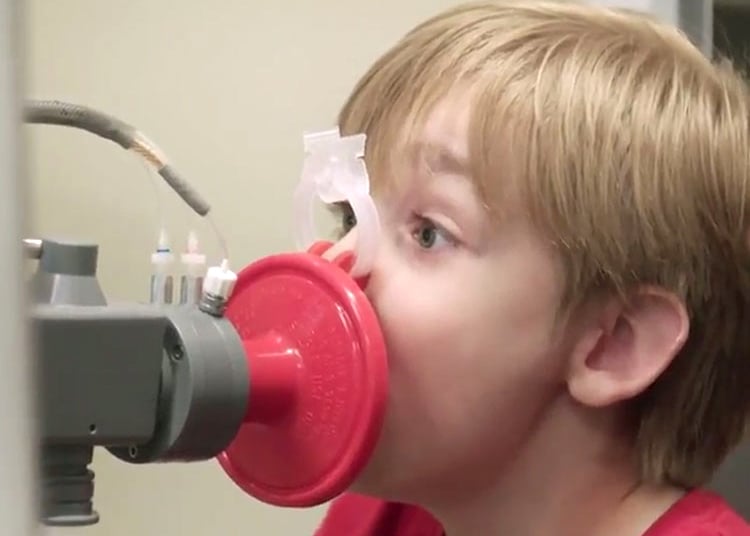
Information about cystic fibrosis awareness month and CF research at The Kids
Neuroblastoma is a complex childhood cancer of the nerve cells and the most common solid tumour in children outside of the brain. The average age of diagnosis is 1-2 years and tragically 50% of children with high-risk neuroblastoma lose their battle within five years.
We are developing a gel that can be left behind in the wound bed after sarcoma surgery.
Cancers in children are very different from cancers in adults - in most cases they appear to strike simply at random. They also develop differently and can spread more rapidly and aggressively. And because cancers in children are not obviously linked to their lifestyles, much work is needed to pinpoint their cause.