Skip to content

Search

Showing results for "Neuromuscular disorders "

One-of-a-kind autism service offers new hope to families

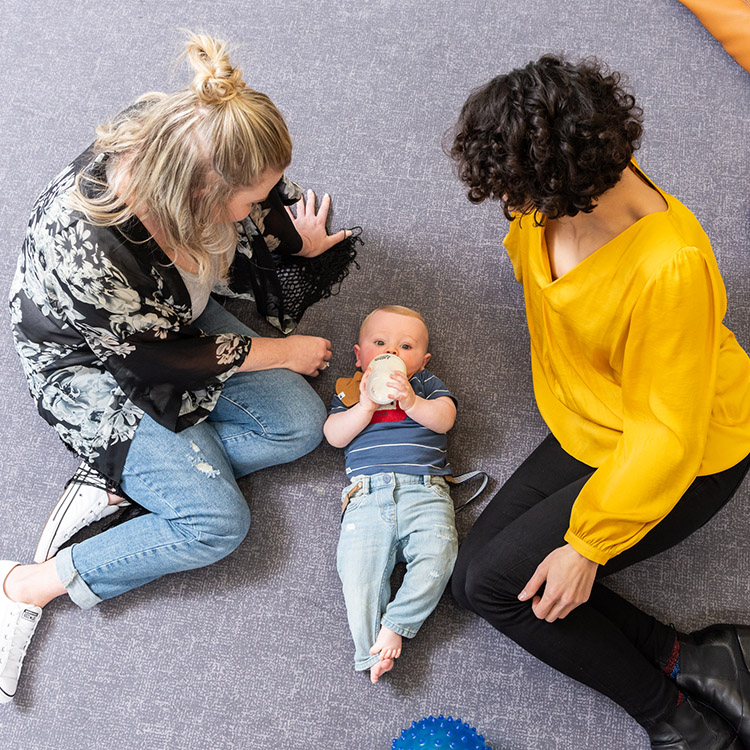
Western Australian babies and children with autism and developmental delay will be able to access world-first therapies and interventions backed by the latest research, thanks a unique clinical service developed by The Kids Research Institute Australia.

High prevalence of hearing loss in urban Aboriginal infants: the Djaalinj Waakinj cohort study

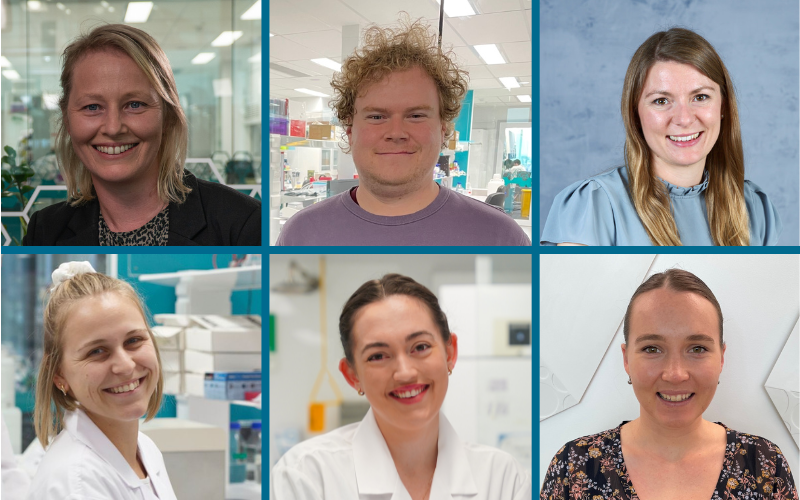
Chris Deborah Tamara Brennan-Jones Lehmann Veselinovic PhD AO, MBBS, MSc BSc(Hons) MClinAud PhD Head, Ear and Hearing Health Honorary Emeritus Fellow

Association between craniofacial anomalies, intellectual disability and autism spectrum disorder: Western Australian population-based study

Accurate knowledge of the relationship between craniofacial anomalies (CFA), intellectual disability (ID) and autism spectrum disorder (ASD) is essential to improve services and outcomes. The aim is to describe the association between CFA, ID and ASD using linked population data.

It takes a village: Influencing policy and practice to prevent alcohol use in pregnancy and promote better outcomes for individuals living with Fetal Alcohol Spectrum Disorder

Fetal Alcohol Spectrum Disorder is a neurodevelopmental disorder caused by exposure to alcohol in utero. It has pervasive, lifelong impacts and is recognised as a major public health concern in many countries where alcohol is used. The FASD Research Australia Centre of Research Excellence was funded by the National Health and Medical Research Council to generate and translate evidence to address prevention, diagnosis, and management of FASD in Australia.

Sex-Specific Environmental Impacts on Initiation and Progression of Multiple Sclerosis

The immunological mechanisms that contribute to multiple sclerosis (MS) differ between males and females. Females are 2-3 times more likely to develop MS compared to males, however the reason for this discrepancy is unknown. Once MS is established, there is a more inflammatory yet milder form of disease in females whereas males generally suffer from more severe disease and faster progression, neural degradation, and disability.

Prevalence of electronic device use before bed among Australian children and adolescents: a cross-sectional population level study

To understand the prevalence of children and adolescents’ electronic device use (EDU) in the hour before bed and identify sociodemographic groups that are at increased risk of problematic use.

Child protection involvement of children of mothers with intellectual disability

Children born to parents with intellectual disability (ID) have been shown as disproportionally represented in child protection services however with limited population-based research.

The Effects of Using the Sun Safe App on Sun Health Knowledge and Behaviors of Young Teenagers: Results of Pilot Intervention Studies

A balanced approach toward sun exposure and protection is needed by young people. Excessive sun exposure increases their risk for skin cancers such as melanoma, whereas some exposure is necessary for vitamin D and healthy bones. We have developed a new iOS smartphone app-Sun Safe-through a co-design process, which aims to support healthy and balanced decision-making by young teenagers (aged 12-13 years).

Australian First Nations response to the pandemic: A dramatic reversal of the ‘gap’

Until the recent death in Dubbo of an Aboriginal man, there have been no deaths from Covid 19 in Australia. The extraordinary success of Aboriginal and Torres Strait Islander populations in controlling the effects of this pandemic has been a global role model.

An update on the burden of group A streptococcal diseases in Australia and vaccine development

Asha Jeffrey Bowen Cannon BA MBBS DCH FRACP PhD GAICD FAHMS OAM BSc(Hons) BBus PhD Head, Healthy Skin and ARF Prevention Health Economist