
share their story of raising children with the respiratory co
Psychosocial resilience amongst WA Aboriginal youth:when risk isn't destiny Ms ... broad public sector background of working with Aboriginal people t…
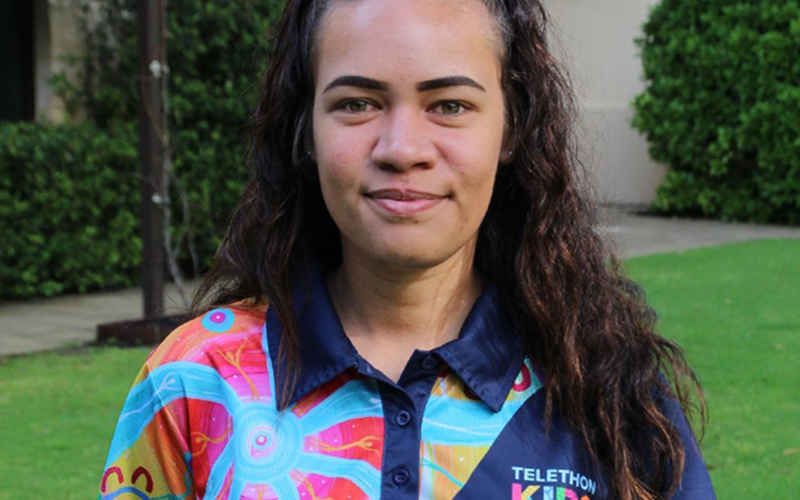
throughout the Kimberley Region making a difference in Aboriginal health. Aboriginal health care around the Kimberley region. ... professional develo…
infections disproportionately affect Australian Aboriginal children, leading to hearing loss, speech delay ... that Australian Aboriginal children ha…
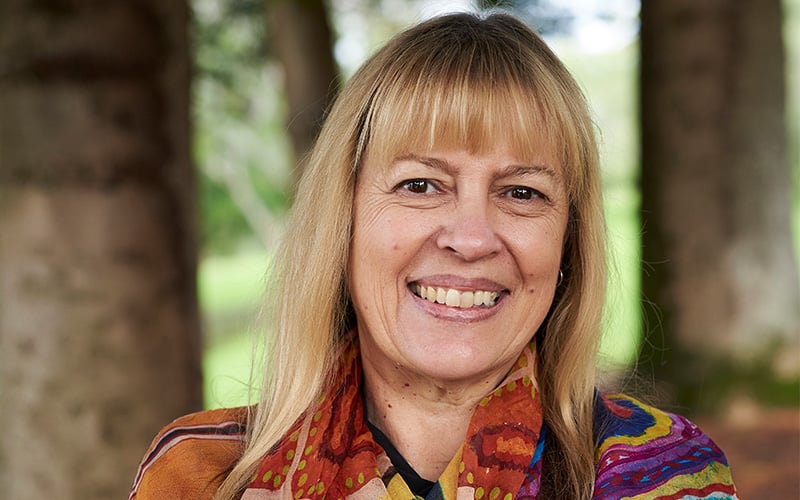
Trailblazing Aboriginal mental health researcher to attend Queen’s funeral
in the region. There are several larger Aboriginal communities in the region. These include Bidyadanga ... in the region. There are several larger Ab…
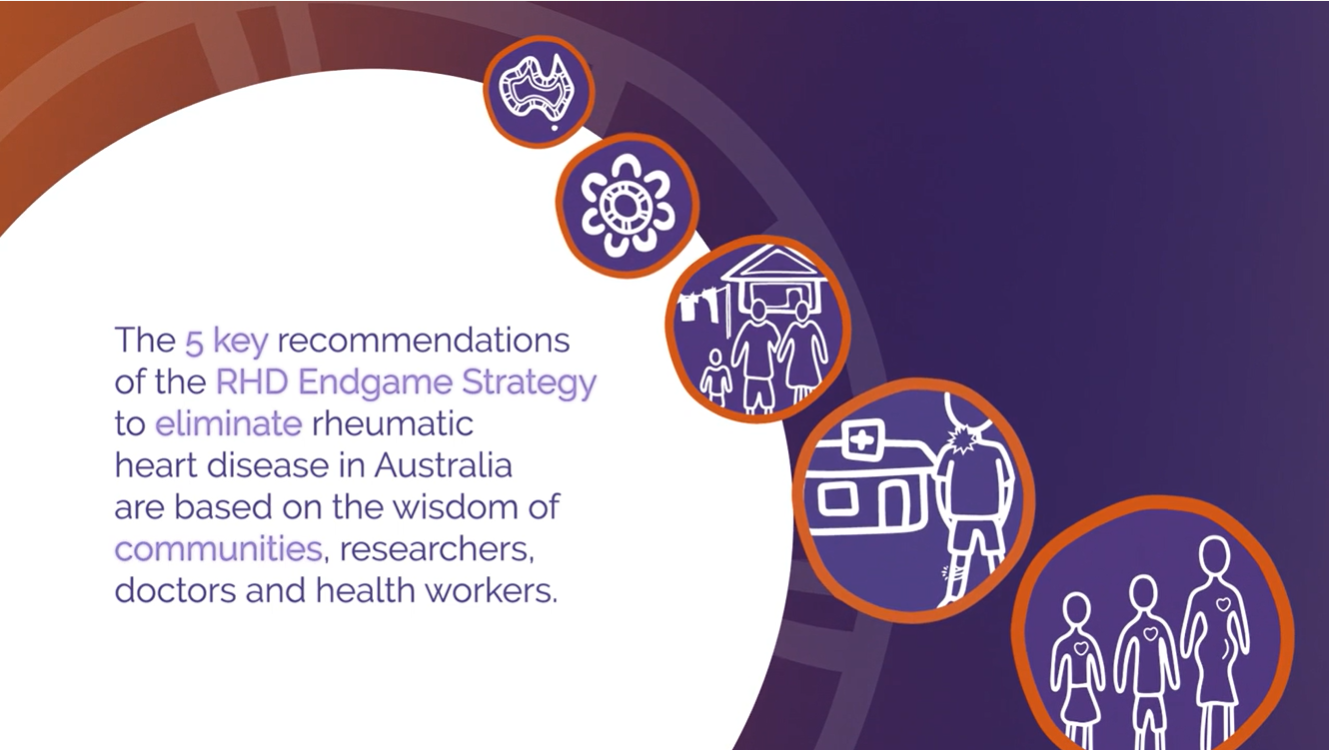
Across Australia, more than 5,000 Aboriginal and Torres Strait Islander people are currently ... Most at risk of developing the disease are young Abo…
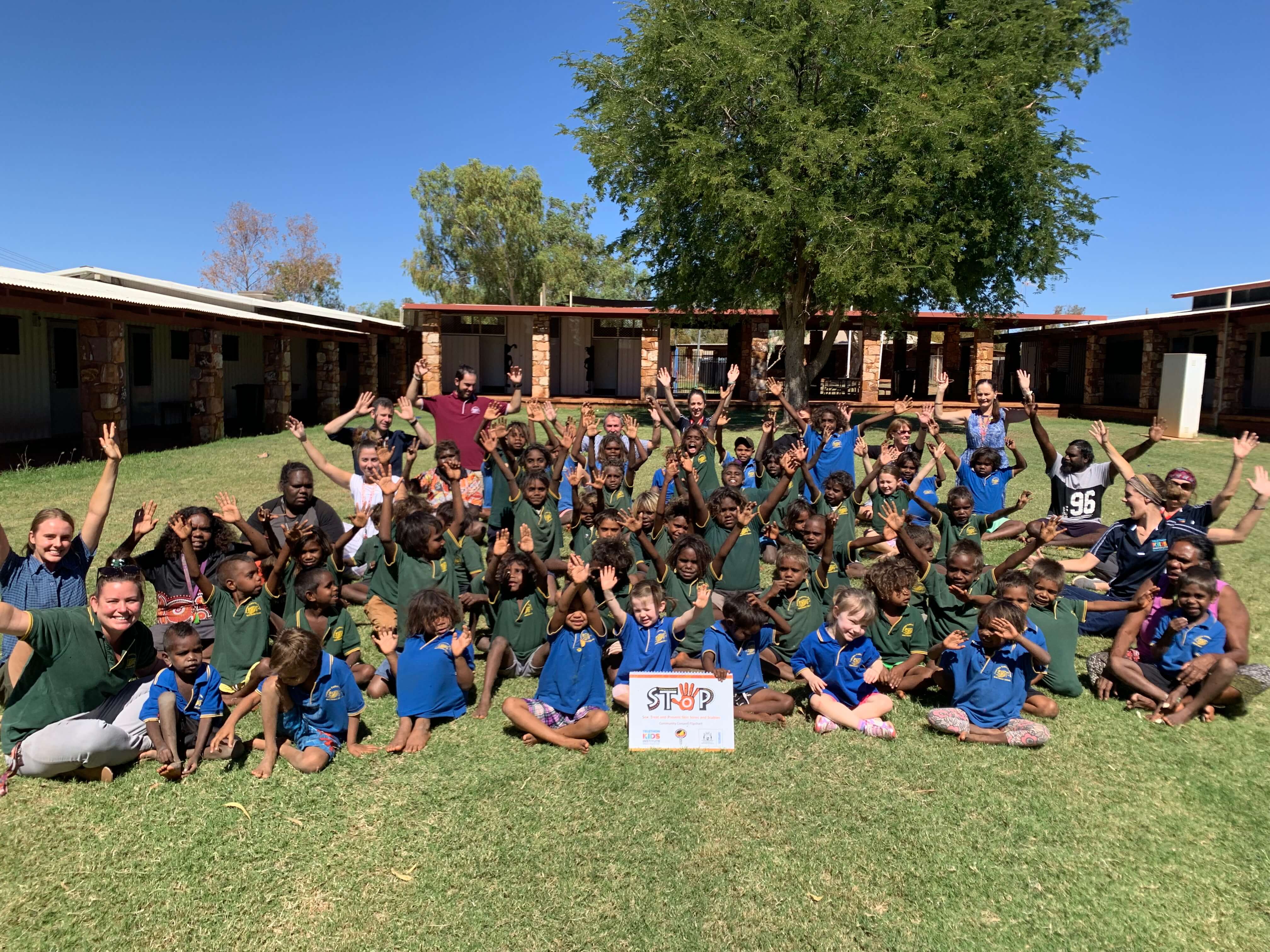
Aboriginal community members throughout the Kimberley will take a lead role in driving ... Run in partnership with the Kimberley Aboriginal Medical S…
Family: Children are a gift, born from country into a family, ancestry and culture as enduring as the universe.
Early life is a key period that determines long-term health. Lung development in childhood predicts lung function attained in adulthood and morbidity…