
Search
Showing results for "autism"
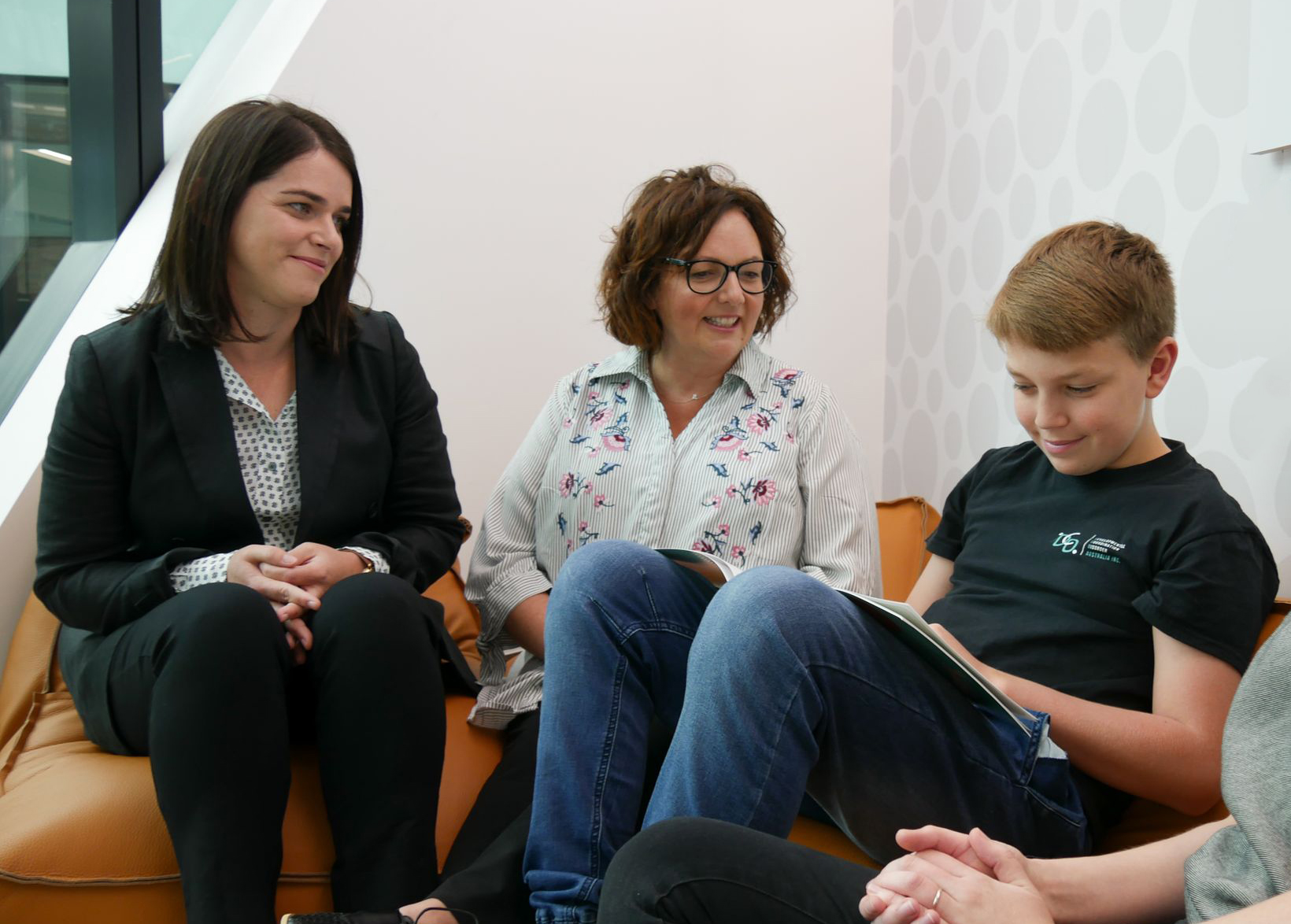
A new report released by The Kids Research Institute Australia in collaboration with Victoria University has revealed the significant social and emotional toll of Developmental Coordination Disorder (DCD).
Research on the health literacy of parents with children with intellectual disability is limited. Understanding parents' healthcare skills and needs is essential for improving children's health and developing effective support. In this study we aimed to (1) explore the health literacy skills of parents that enabled them to support the health needs of their child with intellectual disability and the factors influencing these skills, and (2) identify opportunities to support parent health literacy.
Christopher Peter Peter Tom Blyth Jacoby Richmond Snelling MBBS (Hons) DCH FRACP FRCPA PhD BA (Hons) MSc MBBS MRCP(UK) FRACP BMBS DTMH GDipClinEpid
Improving maternal gut health in pregnancy and lactation is a potential strategy to improve immune and metabolic health in offspring and curtail the rising rates of inflammatory diseases linked to alterations in gut microbiota. Here, we investigate the effects of a maternal prebiotic supplement (galacto-oligosaccharides and fructo-oligosaccharides), ingested daily from <21 weeks' gestation to six months' post-partum, in a double-blinded, randomised placebo-controlled trial.
Globally, rates of children with physical and mental health problems are increasing. Health issues in early childhood often persist into adulthood, highlighting the need to ensure children are supported to flourish from the start of life.
Urine is an attractive biospecimen for nutritional status and population health surveys. It is an excellent non-invasive alternative to blood for appropriate biomarkers in young children and is suitable for home-based collection, enabling representative collections across a population. However, the bulk of literature in this population is restricted to collection in primary care settings.
Ingestion of prebiotics during pregnancy and lactation may have immunomodulatory benefits for the developing fetal and infant immune system and provide a potential dietary strategy to reduce the risk of allergic diseases. We sought to determine whether maternal supplementation with dietary prebiotics reduces the risk of allergic outcomes in infants with hereditary risk.

Child health and development researchers are increasingly turning to Western Australia's extensive population datasets for their ground-breaking work.
Children with birth defects experience higher rates of hospitalisation for ALRIs before age 2 years than children with no birth defects.
Maternal pre-pregnancy obesity has been linked with an increased risk for negative emotionality and inattentiveness in offspring in early childhood.