
Search
Showing results for "mental health aboriginal"
Dissociative disorders in children and young adolescents are under-recognised and under-treated. Current diagnostic criteria rely on downward extensions of adult models and do not adequately consider developmental differences in younger populations. This reliance risks overlooking symptom patterns that may be unique in childhood, thereby perpetuating diagnostic gaps and delayed treatment.
Children have a universal right to live free from exposure to family and domestic violence (FDV). Children exposed to FDV can experience long-term effects on their physical and psychological health and their social competencies including social, emotional, and cognitive skills and behaviours that underpin successful social adaptation and academic achievement. The aim of this study was to investigate if children exposed to FDV were more likely to be vulnerable on school readiness measures compared to those children who were not exposed.
The aim of this study was to examine the influence of smoking in pregnancy on child and adolescent behavioural development, in comparison with mothers who cease
We examined the association between otitis media and educational attainment in a retrospective population cohort of Western Australian children who participated in the Grade 3 National Assessment Program—Literacy and Numeracy in 2012.
Using a dataset of Australian children, we have the opportunity to not only investigate the transfer of educational resources across 3 generations in Australia.
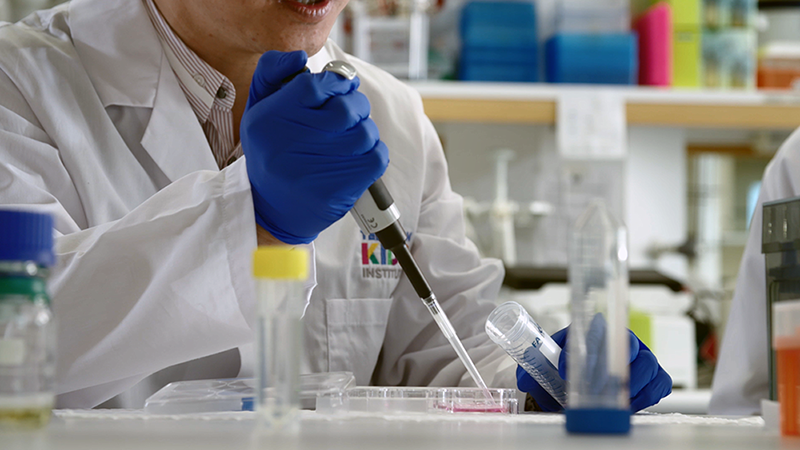
Five outstanding The Kids Research Institute Australia researchers are amongst the eight recipients of the WA Department of Health New Independent Researcher Infrastructure Support (NIRIS) awards.
Melissa Fiona O'Donnell Stanley BPsych (Hons), MPsych, GradDip Ed, PhD FAA FASSA MSc MD FFPHM FAFPHM FRACP FRANZCOG HonDSc HonDUniv HonFRACGP HonMD
Biostatistician
This study identified possible antecedents of teenage pregnancy using linked data from administrative sources to create a 14-year follow-up from a cross-sect...
Research Assistant