
Search
Showing results for "Childhood interstitial lung disease "
Addressing the recognized challenges and inequalities in providing high quality healthcare for rare diseases such as children's interstitial lung disease (chILD) requires collaboration across institutional, geographical, discipline, and system boundaries. The Children's Interstitial Lung Disease Respiratory Network of Australia and New Zealand (chILDRANZ) is an example of a clinical network that brings together multidisciplinary health professionals for collaboration, peer learning, and advocacy with the goal of improving the diagnosis and management of this group of rare and ultra-rare conditions.
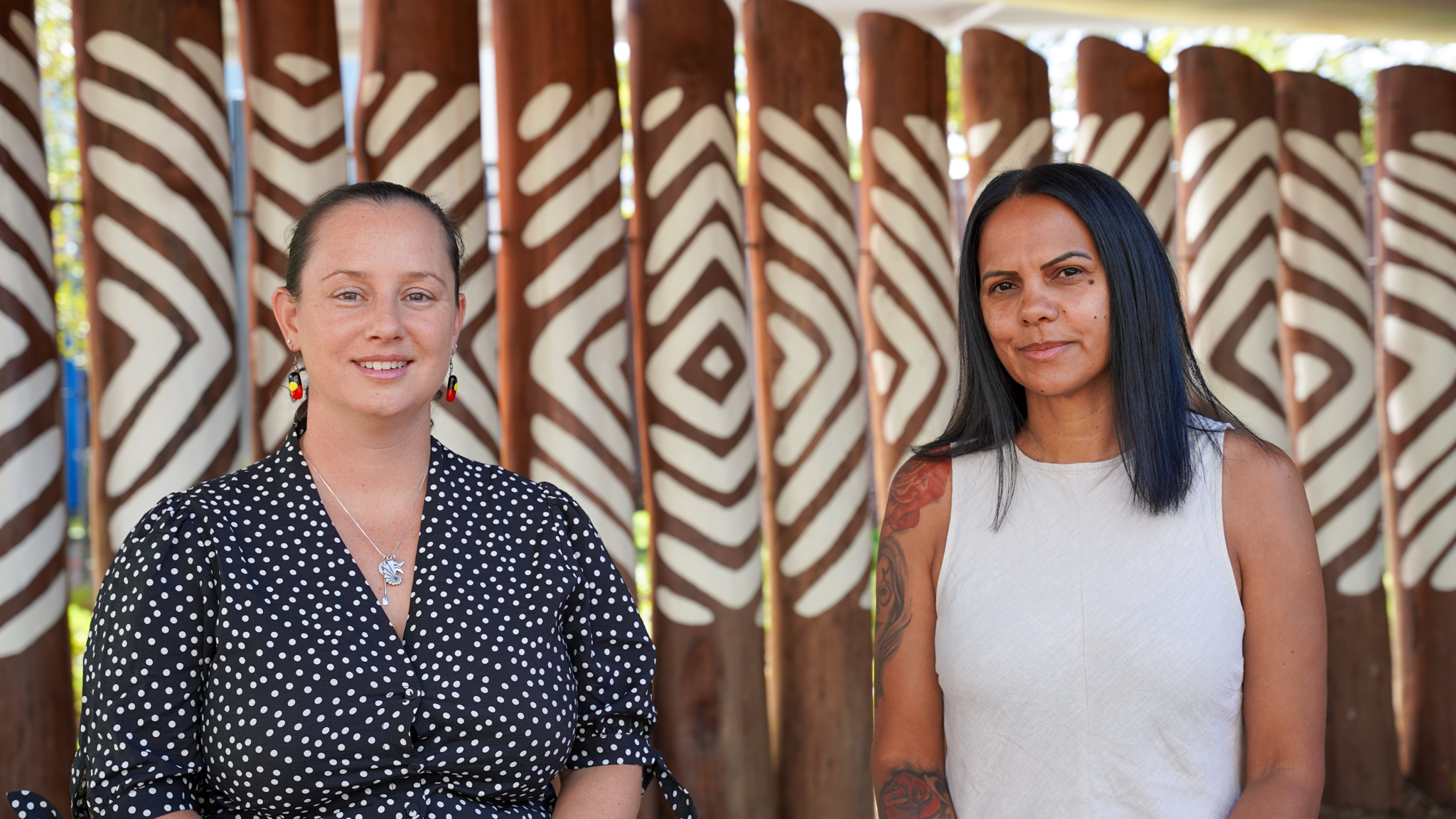
A first of its kind research program at The Kids Research Institute Australia aims to develop new strategies to better treat Aboriginal and Torres Strait Islander children with cancer.
Contact us If you'd like to get in touch, please contact us by phone or email. Phone: 0400 450 240 Email: vtg@thekids.org.au PAEDS Paediatric Active
The effect of breast-feeding on the development of allergic disease is uncertain
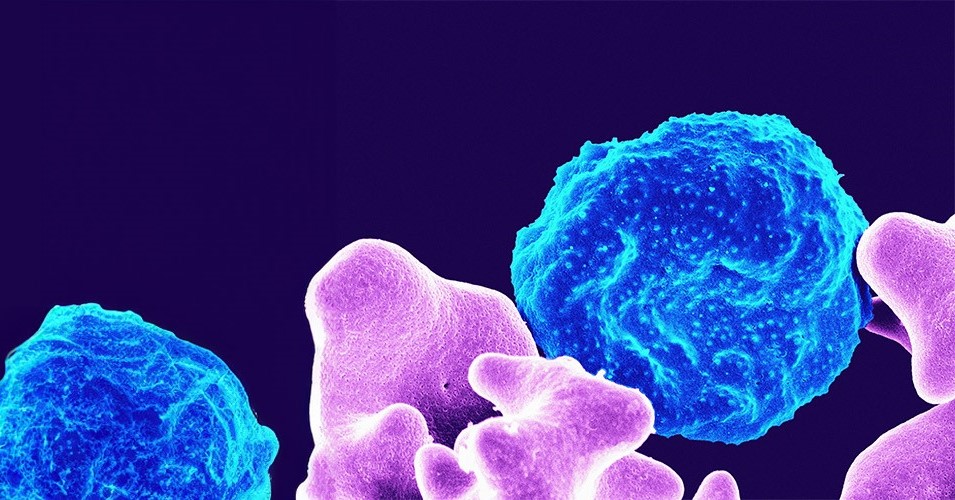
We help shape how the world responds to infectious diseases: guiding vaccine and treatment development, and advising on public health measures to control and eliminate disease. Our mathematical models capture how diseases spread, how severe infections are, and how childhood exposure shapes health across a lifetime.
This large population-based study suggests a significant healthcare burden associated with influenza in children with a range of chronic lung diseases
Our findings suggest that the proportion of degranulated basophils can also be associated with recurrent exacerbations
Rheumatic heart disease (RHD) is the most important cause of acquired cardiovascular disease in children and young adults. Virtually non-existent in most of Australia, it still predominantly affects Aboriginal communities.
Vanessa Timo Fear Lassmann BSc (Hons), PhD BSc (Hons) MSc PhD Head, Translational Genetics Team Feilman Fellow; Head, Precision Health Research and
Children born preterm have impaired lung function and altered lung structure. However, there are conflicting reports on how preterm birth impacts aerobic exercise capacity in childhood. We aimed to investigate how neonatal history and a diagnosis of bronchopulmonary dysplasia (BPD) impact the relationship between function and structure of the lung, and aerobic capacity in school-aged children born very preterm.