
Search
Showing results for "preterm birth lungs"
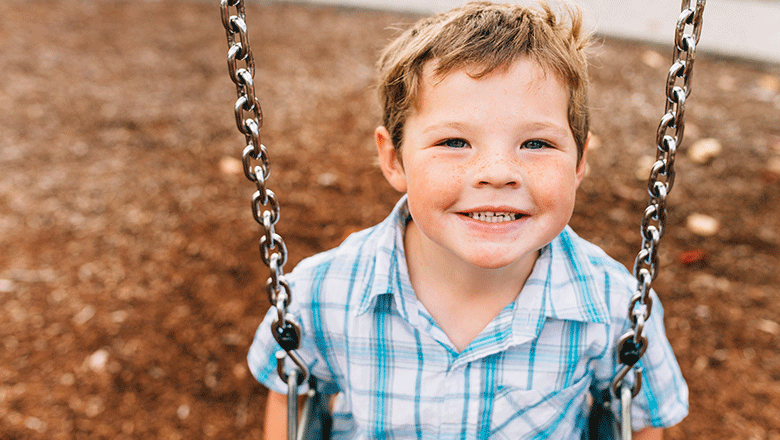
Researchers will track the progress of 12,000 children from birth to age five to identify what services are valuable to families to support the health and wellb

Senior Research Fellow

Honorary Research Associate
Nam-Anh Mum of two, Evelyn and Nicolas. Trial participant, project community member. I want to teach my children what it means to be part of a

If you have an urgent matter regarding the medical care of your child with diabetes you are encouraged to call the on-call paging number which has a new number. The new number is 08 6456 5993.
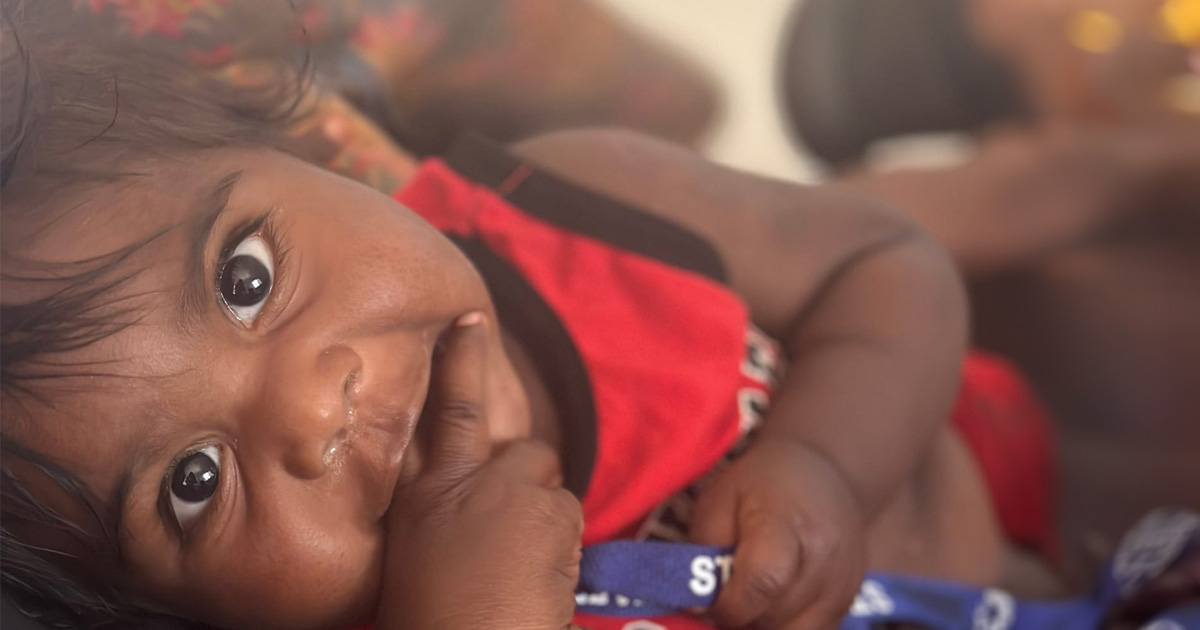
Born two weeks early, six-month-old Braxton Lewis’ entry to the world could have been vastly different if not for a service dedicated to improving pregnancy outcomes for Aboriginal women in WA’s East Pilbara.
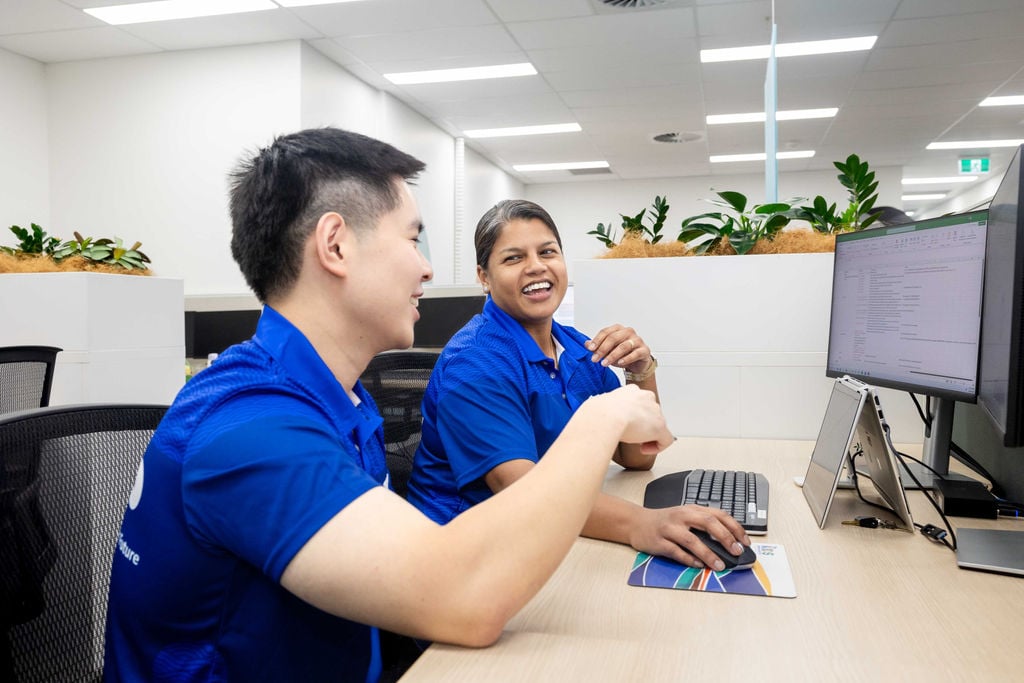
Access world-leading evidence from Australia’s largest longitudinal birth cohort study, uncovering how early environments influence the development of chronic disease across a generation.
First Nations women often experience harmful, inequitable maternity care, shaped by intergenerational trauma and culturally unsafe care. Historical forced removal of First Nations children has created enduring trauma that influences pregnancy and birthing experiences. In the Australian Capital Territory, maternity care is provided through Western biomedical systems, where increasing child protection interventions and fear of surveillance affect women's engagement with care.

Not all children or teenagers identify with the gender they were presumed at birth. As a result, some may choose to change their name, their clothes or their body and live as a different gender. Some may choose to obtain specialised medical treatment.
To identify Helicobacter pylori and related oncogenic and virulent proteins in patients with gingivitis, periodontitis, oral cancer and gastric cancer.