
Search
Showing results for "Childhood interstitial lung disease "
Respiratory viruses, particularly respiratory syncytial virus and human metapneumovirus, are major contributors to pneumonia in Australian children
The long-term cardiopulmonary outcomes following preterm birth during the surfactant era remain unclear. Respiratory symptoms, particularly exertional symptoms, are common in preterm children. Therefore, cardiopulmonary exercise testing may provide insights into the pathophysiology driving exertional respiratory symptoms in those born preterm. This review aims to outline the current knowledge of cardiopulmonary exercise testing in the assessment of children born preterm in the surfactant era.
Cystic Fibrosis (CF) is a genetic condition characterized by neutrophilic inflammation and recurrent infection of the airways. How these processes are initiated and perpetuated in CF remains largely unknown. We have demonstrated a link between the intestinal microbiota-related metabolites bile acids and inflammation in the bronchoalveolar lavage fluid from children with stable CF lung disease.
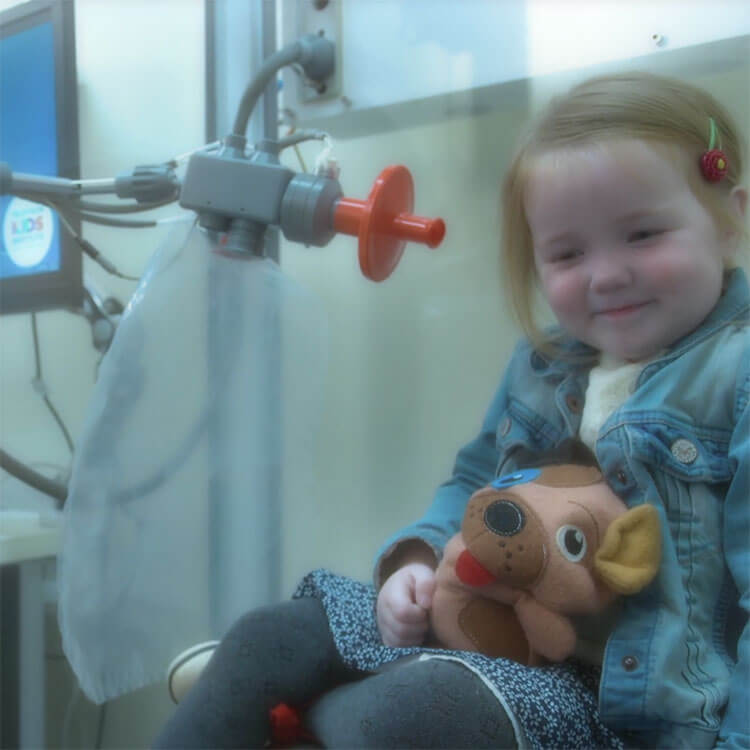
What would you discover to help a child? At The Kids, our researchers are committed to Cystic Fibrosis research that makes a real difference.

Progress in Model Systems of Cystic Fibrosis Mucosal Inflammation to Understand Aberrant Neutrophil Activity In response to repeated lung infection
Survivors of preterm birth (<37 weeks' gestation) have low peak oxygen uptake, a global measure of aerobic fitness and an established predictor of increased morbidity and mortality. However, little is known about other cardiopulmonary outcome measures in this population. We addressed the hypothesis that preterm birth is associated with abnormal respiratory, cardiovascular and metabolic responses to exercise, as assessed by cardiopulmonary exercise testing, via a systematic review and meta-analysis.
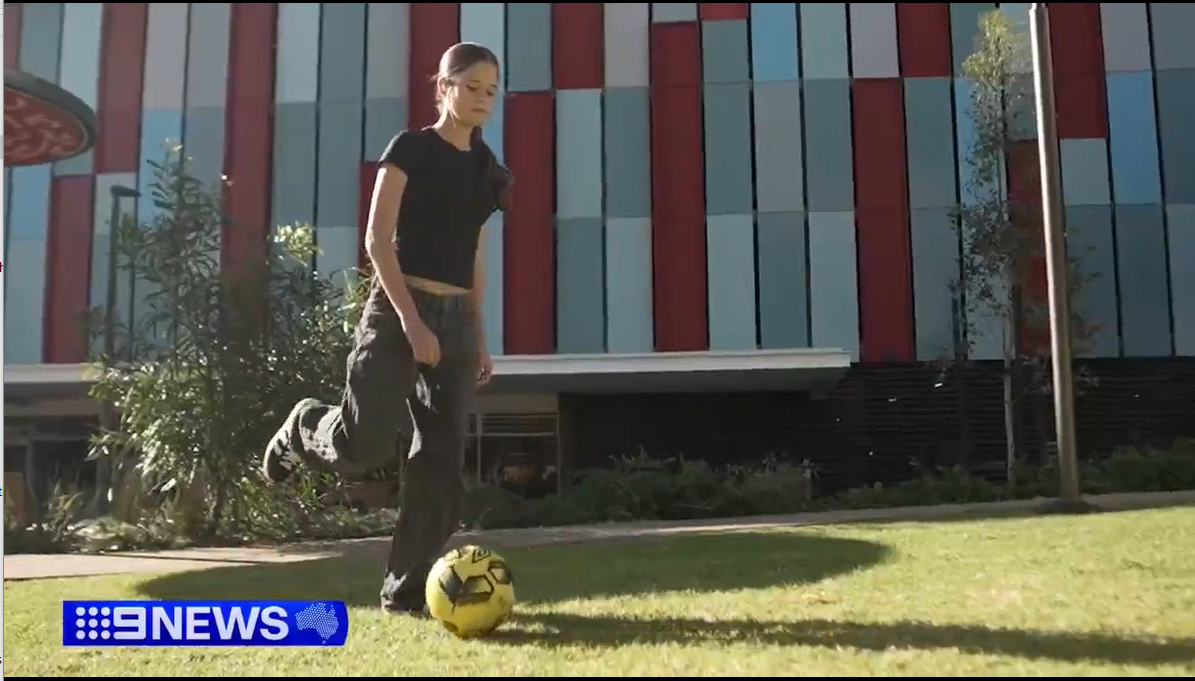
Children with cystic fibrosis will be included in the next phase of a clinical trial of a promising new treatment pioneered in Western Australia aimed at boosting their immune responses to infections. Originally developed by researchers at The Kids Research Institute Australia and Perth Children’s Hospital.
The underlying pathogenesis of pediatric obstructive sleep disordered breathing (SDB) and recurrent tonsillitis (RT) are poorly understood but need to be elucidated to develop less invasive treatment and prevention strategies.
Deborah Lea-Ann Peter Ruth Strickland Kirkham Richmond Thornton PhD PhD MBBS MRCP(UK) FRACP PhD Head, Pregnancy and Early Life Immunology Co-Head,
The key projects undertaken at Wal-yan Respiratory Research Centre.